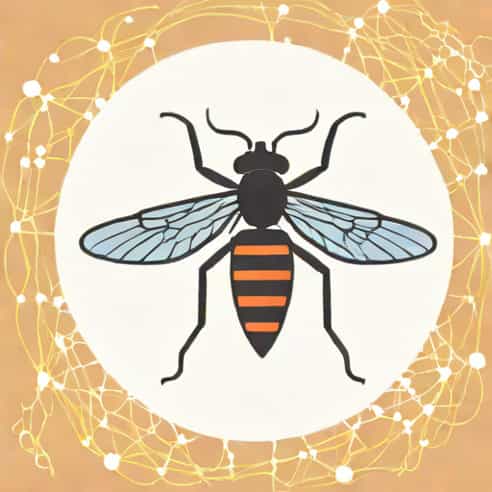
Malaria is a serious and sometimes deadly disease that continues to affect millions of people worldwide, particularly in tropical and subtropical regions. The disease is caused by parasites of the genus Plasmodium, which are transmitted to humans through the bite of infected Anopheles mosquitoes. Understanding the role of Anopheles mosquitoes in the spread of malaria is crucial for effective prevention, control, and treatment strategies. Malaria has significant impacts on public health, economies, and communities, making knowledge about its transmission and life cycle essential for reducing its global burden.
The Anopheles Mosquito The Vector of Malaria
The Anopheles mosquito is the primary vector responsible for transmitting malaria to humans. Unlike other mosquitoes, only female Anopheles mosquitoes feed on human blood, which they require for egg development. During this process, they can inject Plasmodium parasites into the human bloodstream, initiating infection. There are over 400 species of Anopheles mosquitoes, but only about 30-40 are capable of transmitting malaria effectively. These mosquitoes are typically active during nighttime and thrive in warm, humid environments with standing water, which serves as their breeding ground.
Lifespan and Habitat of Anopheles Mosquitoes
Anopheles mosquitoes prefer habitats such as marshes, slow-moving streams, rice paddies, and ponds. They lay their eggs on the surface of clean, stagnant water, and the eggs hatch into larvae that develop over several days before becoming adult mosquitoes. The lifespan of an adult Anopheles mosquito is generally two to three weeks, during which it may bite multiple humans and potentially spread malaria. Effective control of mosquito habitats is therefore a key component in reducing malaria transmission.
How Malaria is Transmitted
Malaria transmission occurs when an infected Anopheles mosquito bites a human. The mosquito injects Plasmodium sporozoites into the bloodstream, which then travel to the liver. In the liver, the parasites multiply and mature before re-entering the bloodstream to infect red blood cells. This cycle leads to the symptoms associated with malaria, including fever, chills, headache, and fatigue. If untreated, malaria can progress to severe illness, causing complications such as anemia, organ failure, or death. Understanding this transmission cycle highlights the importance of targeting mosquitoes to prevent infection.
The Role of Female Mosquitoes
Only female Anopheles mosquitoes transmit malaria because they require blood for egg production. When a female mosquito feeds on an infected person, it ingests Plasmodium parasites along with the blood. These parasites undergo further development within the mosquito’s body, eventually migrating to the salivary glands. When the mosquito bites another person, it injects the parasites into their bloodstream, continuing the transmission cycle. This unique biological requirement of female mosquitoes makes them a critical target for malaria prevention efforts.
Symptoms and Effects of Malaria
Once transmitted by an Anopheles mosquito, malaria affects the human body in various ways. Early symptoms include fever, chills, sweating, headaches, nausea, and body aches. These symptoms can appear as soon as a week after the mosquito bite, depending on the Plasmodium species involved. Severe malaria can result in anemia, cerebral complications, organ failure, and even death, especially in vulnerable populations such as young children, pregnant women, and immunocompromised individuals. Prompt diagnosis and treatment are essential to prevent complications and reduce mortality.
Types of Plasmodium Parasites
There are several Plasmodium species that infect humans, with varying degrees of severity. The most common and dangerous species include Plasmodium falciparum, Plasmodium vivax, Plasmodium ovale, and Plasmodium malariae. P. falciparum is responsible for most severe cases and deaths due to malaria, particularly in Africa. Each species has unique characteristics affecting the incubation period, relapse potential, and treatment response. Understanding the specific parasite involved is important for effective medical management.
Prevention and Control Strategies
Preventing malaria involves multiple approaches, primarily focused on controlling Anopheles mosquito populations and protecting humans from mosquito bites. Public health strategies include the use of insecticide-treated bed nets, indoor residual spraying, and eliminating standing water where mosquitoes breed. Personal protective measures, such as wearing long sleeves, using mosquito repellents, and sleeping under mosquito nets, are also effective. In addition, antimalarial medications can be used for prevention in high-risk areas, particularly for travelers and vulnerable populations.
Environmental Management
Environmental management is a key strategy for reducing mosquito breeding sites. Removing or treating stagnant water, maintaining clean drainage systems, and promoting community awareness about mosquito control can significantly reduce the number of Anopheles mosquitoes. Urban planning and proper water management in endemic areas are also important measures. Combining these efforts with public health education can lead to sustained reductions in malaria transmission.
Vaccination and Medical Advances
Recent advances in malaria research have led to the development of vaccines targeting Plasmodium parasites. The RTS,S/AS01 (Mosquirix) vaccine, for example, has been piloted in several African countries to provide protection against P. falciparum malaria. While vaccines are not yet a complete solution, they represent an important tool in conjunction with traditional mosquito control and antimalarial treatments. Continued research and investment are crucial for developing more effective vaccines and therapies.
Global Impact of Malaria
Malaria remains one of the most significant public health challenges in the world, particularly in sub-Saharan Africa, Southeast Asia, and parts of South America. According to the World Health Organization, millions of cases are reported annually, with hundreds of thousands of deaths, mostly among children under five. The economic burden of malaria is also substantial, affecting healthcare systems, productivity, and community development. Understanding that the Anopheles mosquito is the primary vector helps target resources effectively for prevention and control.
Efforts in Malaria Eradication
Global efforts to combat malaria focus on integrated strategies that address both the mosquito vector and the Plasmodium parasite. Programs such as the Global Fund to Fight AIDS, Tuberculosis, and Malaria, as well as initiatives by the World Health Organization, emphasize prevention, treatment, and community engagement. Research continues to explore innovative solutions, including genetic modification of mosquitoes, improved diagnostics, and new antimalarial drugs. Combating malaria requires a coordinated approach to reduce transmission and ultimately aim for eradication.
Key Takeaways
- Malaria is caused by Plasmodium parasites transmitted through the bite of female Anopheles mosquitoes.
- The disease primarily affects tropical and subtropical regions with high mosquito populations.
- Symptoms include fever, chills, headache, fatigue, and severe cases can lead to death.
- Prevention focuses on mosquito control, personal protection, and antimalarial medications.
- Environmental management and vaccination efforts are crucial for reducing malaria transmission.
- Understanding the biology and behavior of Anopheles mosquitoes is essential for effective intervention.
Malaria remains a global health concern, largely due to the role of Anopheles mosquitoes as vectors of Plasmodium parasites. Effective control and prevention strategies require an integrated approach that combines personal protection, mosquito habitat management, medical treatment, and vaccination efforts. By understanding the biology of Anopheles mosquitoes, the life cycle of Plasmodium, and the environmental and social factors that contribute to malaria transmission, we can better protect populations at risk and work toward reducing the impact of this disease worldwide. Awareness, education, and scientific advancements remain key in the ongoing fight against malaria.