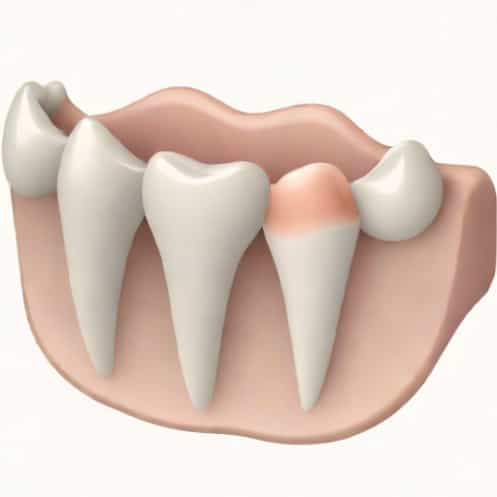
The oblique ridge of the maxillary molar is a significant anatomical feature in dentistry, playing an important role in both dental anatomy and clinical practice. Found on the upper molars, the oblique ridge is a distinctive raised line that extends diagonally across the occlusal surface, connecting the mesiopalatal cusp to the distobuccal cusp. Understanding the structure, function, and clinical relevance of the oblique ridge is essential for dental students, clinicians, and professionals involved in restorative procedures, orthodontics, and endodontics. Its presence affects occlusion, tooth preparation, and the overall biomechanics of chewing, making it a key consideration in dental treatments.
Anatomy of the Oblique Ridge
The oblique ridge is unique to maxillary molars and is typically most prominent in the first and second maxillary molars. Anatomically, it extends from the mesiolingual (mesiopalatal) cusp to the distobuccal cusp, crossing the occlusal surface in a diagonal orientation. This ridge is part of the complex occlusal topography that includes grooves, pits, and other ridges, all of which contribute to effective mastication. The oblique ridge forms an essential part of the tooth’s structural integrity, providing resistance against occlusal forces.
Key Features of the Oblique Ridge
- Runs diagonally across the occlusal surface from the mesiopalatal cusp to the distobuccal cusp.
- Serves as a connection between cusps, enhancing the stability of the tooth.
- Acts as a landmark in identifying maxillary molars during dental examinations.
- Contributes to the overall contour of the occlusal surface, which is crucial for proper bite alignment.
Function of the Oblique Ridge
The oblique ridge plays several functional roles in dental health. Primarily, it contributes to the distribution of occlusal forces during chewing, helping to prevent excessive stress on individual cusps. By connecting major cusps, it provides structural support that enhances the durability of the tooth. Additionally, the oblique ridge influences the pathway of food during mastication, aiding in efficient grinding and processing. Its presence is also critical in maintaining proper occlusal relationships, which can affect jaw alignment and overall oral function.
Occlusal and Clinical Significance
From a clinical perspective, the oblique ridge has several implications for dental practice. When preparing a maxillary molar for restorative procedures, such as fillings, crowns, or inlays, recognizing the ridge’s position is essential to preserve tooth strength and functionality. The ridge also serves as a reference point during cavity preparation and occlusal adjustment. Failure to account for the oblique ridge can result in weakened restorations or improper occlusion, leading to issues like premature wear or temporomandibular joint strain.
Variations in the Oblique Ridge
While the oblique ridge is a consistent feature of maxillary molars, its prominence can vary among individuals and between teeth. In some cases, the ridge may be more pronounced, while in others, it may appear less distinct. Factors such as age, dental wear, and occlusal habits can influence its appearance. For dental professionals, understanding these variations is important in designing restorations that mimic natural tooth anatomy and maintain occlusal efficiency.
Identification and Diagnostic Tools
The oblique ridge can be identified through clinical examination and radiographic imaging. Dentists often use visual inspection, tactile feedback with dental explorers, and occlusal radiographs to assess the ridge’s form and position. Digital imaging and 3D scanning technologies have further improved the ability to study the oblique ridge, allowing precise measurement and evaluation for treatment planning. Accurate identification ensures that restorations, orthodontic adjustments, and endodontic procedures respect the natural occlusal architecture.
Implications in Restorative Dentistry
In restorative dentistry, the oblique ridge plays a vital role in planning and executing treatments. When placing fillings, the ridge serves as a guide for shaping the occlusal surface, ensuring the restoration maintains proper contact with opposing teeth. For crowns and inlays, the ridge must be preserved or accurately reproduced to maintain occlusal balance. Additionally, understanding its orientation helps in preventing over-reduction of tooth structure, which could compromise strength and lead to fracture under functional loads.
Impact on Orthodontics and Prosthodontics
The oblique ridge also affects orthodontic and prosthodontic treatments. In orthodontics, the ridge influences occlusal relationships and bite alignment, guiding how teeth should be moved to achieve proper occlusion. In prosthodontics, accurate replication of the oblique ridge in dental prostheses, such as bridges and dentures, ensures effective mastication and comfort for patients. Ignoring the ridge can result in functional deficiencies and patient discomfort.
The oblique ridge of the maxillary molar is a critical anatomical and functional feature with significant clinical relevance. Its role in distributing occlusal forces, supporting tooth structure, and guiding restorative procedures underscores the importance of understanding this ridge in dental practice. Variations in its form and prominence highlight the need for careful examination and accurate replication in treatments. For dental professionals, a thorough knowledge of the oblique ridge ensures successful interventions, preserves natural tooth function, and contributes to long-term oral health. By appreciating the complexity and significance of this feature, clinicians can enhance patient outcomes and maintain the integrity of maxillary molars in everyday practice.