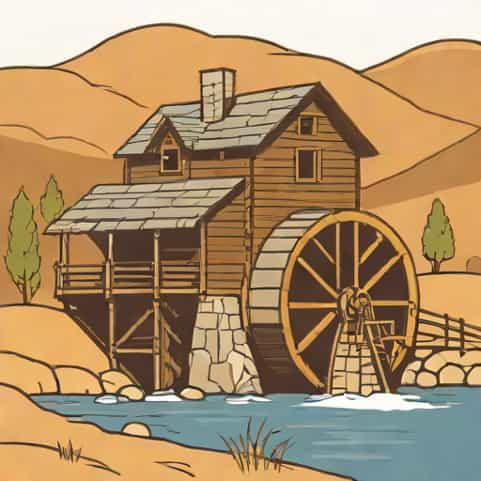
The Old Grist Mill in Logan, Utah, stands as a remarkable testament to the region’s early industrial history and pioneering spirit. Nestled along the scenic Logan River, this historic mill has captivated locals and visitors alike with its rustic charm and significant role in the agricultural and economic development of Cache Valley. For over a century, the mill has symbolized both ingenuity and resilience, showcasing the traditional methods of grain milling while offering a glimpse into the daily life of early settlers in northern Utah. Its preserved structure and surrounding landscape provide an authentic experience that connects modern audiences to the past.
Historical Background of the Old Grist Mill
The Old Grist Mill was established in the late 19th century, a period when Logan and the surrounding areas were rapidly developing as agricultural hubs. Grain milling was essential for the community, as it provided flour and meal for daily consumption and trade. Early settlers relied on mills like this one to process wheat, corn, and other grains into usable products, which supported both household needs and the local economy.
Founding and Early Operations
The mill was originally powered by water from the Logan River, using a traditional waterwheel to turn the grinding stones. This method allowed for a consistent and sustainable source of energy, harnessing the natural flow of the river to operate the machinery. The mill became a central point in the community, not only for milling grain but also as a gathering place where farmers and neighbors exchanged news, goods, and advice.
Technological Features
The Old Grist Mill incorporated several technological innovations of its time. The waterwheel, often paired with a series of gears and belts, transmitted power to multiple sets of millstones. These stones were carefully arranged to grind grain efficiently while maintaining the quality of the flour. Additionally, the mill included storage bins, sifters, and chutes that allowed workers to process and package grain in an organized manner, reflecting the practical ingenuity of early industrial design.
Architectural Significance
Architecturally, the Old Grist Mill represents a classic example of utilitarian industrial design from the 19th century. Its wooden frame construction, pitched roof, and stone foundation demonstrate durability and functionality. The mill’s exterior has been preserved to reflect its original appearance, with weathered wood siding and large mill windows that allow natural light to illuminate the interior. This combination of practicality and aesthetic appeal makes the mill a notable landmark in Logan.
Interior Layout
Inside the mill, visitors can observe the arrangement of grinding equipment, storage areas, and workspaces that were designed for efficiency. The layout reflects the workflow of early mill operations, with designated areas for cleaning, grinding, and packaging grain. The interior also includes historical signage and interpretive materials that explain the function of each component, providing an educational experience for all ages.
Role in the Community
The Old Grist Mill played a vital role in the growth and sustainability of Logan and the surrounding Cache Valley. Beyond its practical function, the mill served as a social and economic hub. Farmers depended on its services to prepare grain for personal use and commercial purposes, while the miller often acted as a trusted advisor and mediator in community matters.
Economic Impact
The mill contributed significantly to the local economy by enabling farmers to process and sell flour, cornmeal, and other products. This created a steady flow of trade and helped establish Logan as a thriving agricultural center. Additionally, the mill attracted visitors and traders from neighboring areas, further stimulating economic activity and fostering regional connections.
Cultural Importance
Beyond economics, the Old Grist Mill has cultural significance as a symbol of pioneer ingenuity and perseverance. It reflects the resourcefulness of early settlers who relied on natural resources, manual labor, and simple machinery to sustain their community. Today, the mill serves as a reminder of the values and lifestyle of past generations, connecting residents and visitors to the historical identity of Logan.
Preservation and Tourism
In modern times, efforts have been made to preserve the Old Grist Mill as a historical landmark. Restoration projects have focused on maintaining structural integrity, repairing the waterwheel, and ensuring that the mill remains safe and accessible to the public. Preservation not only protects the physical site but also ensures that its history and educational value are available for future generations.
Visiting the Mill
Visitors to the Old Grist Mill can experience guided tours that explain the milling process, historical context, and significance of the site. Interactive exhibits often allow guests to see the machinery in action and understand the intricate steps involved in turning raw grain into flour. The surrounding landscape, including the river and adjacent trails, adds to the scenic and immersive experience.
Events and Community Engagement
The mill hosts various events that celebrate local heritage and foster community engagement. Seasonal festivals, historical reenactments, and educational programs for schools provide opportunities for hands-on learning and cultural enrichment. These activities help maintain the mill as a living part of Logan’s cultural landscape, rather than just a static historical monument.
Legacy of the Old Grist Mill
The legacy of the Old Grist Mill in Logan, Utah, extends beyond its operational history. It serves as a tangible link to the past, illustrating the ingenuity, labor, and resourcefulness of early settlers. By preserving the mill, Logan honors the contributions of its founders and provides a place for residents and tourists to connect with the region’s history. The mill’s continued presence also highlights the importance of heritage conservation in maintaining a community’s identity and sense of continuity.
Educational Value
For students, historians, and enthusiasts, the Old Grist Mill offers a wealth of educational opportunities. Learning about the milling process, water-powered machinery, and 19th-century agricultural practices helps illuminate broader themes in American history, including industrialization, rural life, and community development. Educational programs at the mill encourage curiosity and appreciation for historical technology and cultural traditions.
Inspiration for Preservation
The successful preservation of the Old Grist Mill serves as an inspiration for similar efforts in other communities. It demonstrates how historical sites can be maintained, adapted for public engagement, and celebrated as cultural landmarks. The mill’s story underscores the value of protecting tangible heritage to ensure that future generations can experience and learn from it.
The Old Grist Mill in Logan, Utah, remains an iconic symbol of the city’s history, innovation, and agricultural heritage. Its rich history, architectural features, and role in the community make it a treasured landmark for residents and visitors alike. By understanding its origins, technological features, and cultural significance, people can appreciate the mill not just as a relic of the past but as a vibrant educational and historical resource. Preserving the Old Grist Mill ensures that the legacy of early pioneers and their contributions to Logan’s development continue to inspire and educate for generations to come.