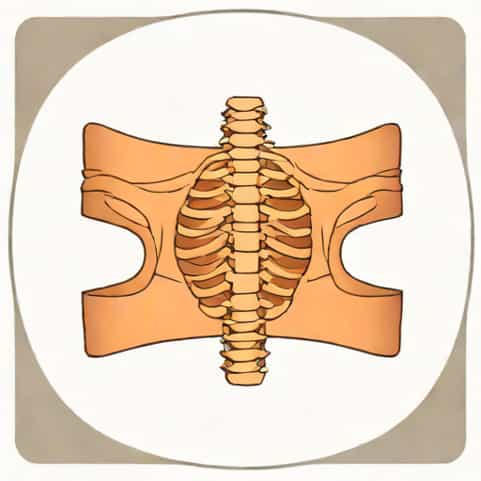
The quadratus lumborum and erector spinae are two essential muscle groups that play a key role in supporting the spine, maintaining posture, and allowing for a wide range of movements. These deep muscles of the lower back work in harmony to stabilize the core and provide the foundation for everyday activities such as bending, twisting, and lifting. Understanding their anatomy, functions, and how to keep them strong is important for anyone seeking better spinal health, improved athletic performance, or relief from lower back discomfort.
Understanding the Quadratus Lumborum
The quadratus lumborum, often referred to as the QL, is a deep muscle located on each side of the lower back. It originates from the iliac crest of the pelvis and attaches to the twelfth rib and the transverse processes of the lumbar vertebrae. Despite being relatively small compared to other back muscles, the quadratus lumborum is one of the most important stabilizers of the spine and pelvis.
Primary Functions of the Quadratus Lumborum
-
Spinal stabilizationThe QL helps maintain an upright posture and prevents excessive lateral movement of the spine.
-
Lateral flexionWhen contracted on one side, it bends the torso to the same side, allowing for side bending motions.
-
Pelvic elevationThe QL can lift one side of the pelvis, which is especially useful when walking or climbing stairs.
-
Assisting breathingBy anchoring the twelfth rib, it aids in forced exhalation and deep breathing.
The quadratus lumborum is often associated with lower back pain when it becomes tight or overworked. Poor posture, prolonged sitting, or improper lifting can strain this muscle, leading to discomfort and limited mobility.
Exploring the Erector Spinae
The erector spinae is a larger group of muscles that run vertically along the spine from the lower back to the upper back and neck. It is composed of three main muscle columns the iliocostalis, longissimus, and spinalis. These muscles work together to keep the spine erect and provide strength for powerful back movements.
Functions of the Erector Spinae
-
Spinal extensionThe erector spinae allows the back to arch, which is critical for standing upright and performing backward bending movements.
-
Rotation and lateral flexionThis muscle group assists in twisting the torso and bending to the side.
-
Postural supportBy maintaining the natural curves of the spine, the erector spinae helps prevent slouching and reduces pressure on spinal discs.
Because the erector spinae spans the entire length of the back, it is heavily involved in many daily tasks such as lifting heavy objects, maintaining balance, and stabilizing the body during physical activities. Weakness or tightness in this muscle group can lead to chronic back pain and reduced flexibility.
Relationship Between the Quadratus Lumborum and Erector Spinae
The quadratus lumborum and erector spinae are anatomically close and functionally interconnected. Together, they form a strong support system for the lumbar spine and pelvis. The QL provides lateral stability and fine-tuned movements, while the erector spinae delivers power and endurance for larger spinal motions. When these muscles are balanced and strong, they protect the lower back from injuries and allow for efficient movement patterns.
Common Issues Affecting Both Muscles
-
Lower back painStrain or overuse of the quadratus lumborum or erector spinae can lead to acute or chronic discomfort.
-
Muscle imbalancesWeakness in one group can force the other to compensate, increasing the risk of injury.
-
Postural problemsProlonged sitting, poor ergonomics, and lack of exercise can cause these muscles to tighten and shorten.
Maintaining flexibility and strength in both muscle groups is essential to avoid these problems. A balanced approach to exercise and recovery ensures that the quadratus lumborum and erector spinae can perform their functions without unnecessary strain.
Exercises to Strengthen and Stretch
Training the quadratus lumborum and erector spinae helps improve spinal stability, reduce pain, and enhance overall core strength. Here are some effective exercises and stretches
Strengthening Movements
-
Side planksEngage the QL by lifting the hips and holding a straight body position while lying on your side.
-
Back extensionsPerformed on a stability ball or hyperextension bench, these target the erector spinae for spinal extension strength.
-
Bird-dog exerciseWhile on all fours, extend one arm and the opposite leg to activate both the QL and erector spinae for stability.
Stretching Techniques
-
Child’s poseA gentle yoga pose that lengthens the erector spinae and relieves tension.
-
Side stretchStanding or seated side bends stretch the quadratus lumborum and improve lateral flexibility.
-
Knee-to-chest stretchHelps release lower back tension and lengthen deep lumbar muscles.
Tips for Maintaining Healthy Back Muscles
To keep the quadratus lumborum and erector spinae functioning properly, consistent care and smart habits are essential
-
Practice good posture whether sitting, standing, or lifting.
-
Incorporate regular stretching and strengthening exercises into your routine.
-
Avoid sudden, jerky movements that can strain the lower back.
-
Use proper lifting techniques by bending at the knees and engaging the core.
-
Stay hydrated and maintain a balanced diet to support muscle health.
The quadratus lumborum and erector spinae are vital to spinal health and overall movement. By understanding their anatomy, roles, and how to care for them, you can prevent injuries and improve daily performance. Strengthening these muscles through targeted exercises, maintaining flexibility with stretches, and adopting healthy posture habits will ensure that your back remains strong and resilient for years to come.