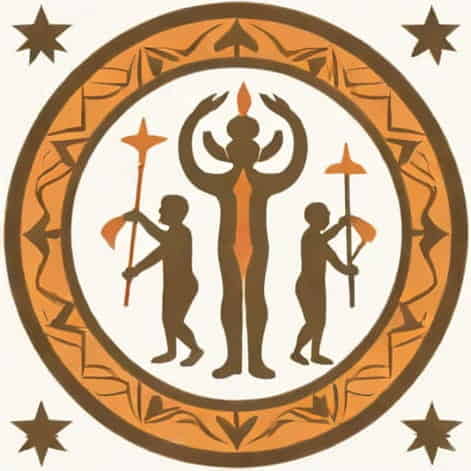
The religion of the Khoisan, the indigenous people of Southern Africa, is a fascinating and deeply rooted spiritual system that reflects their close connection with nature, ancestors, and the cosmos. The Khoisan, comprising the San and the Khoikhoi peoples, have inhabited regions of modern-day South Africa, Namibia, Botswana, and Angola for thousands of years. Their religious beliefs and practices are closely intertwined with daily life, social structure, and survival strategies. The spirituality of the Khoisan emphasizes harmony with the natural world, respect for ancestral spirits, and the use of ritual and symbolism to navigate life’s challenges and mysteries. Studying the religion of the Khoisan provides insight into one of the world’s oldest continuous spiritual traditions and reveals how culture, environment, and spirituality are deeply interconnected.
Belief in the Supernatural
The Khoisan religion is fundamentally animistic, meaning that it attributes spiritual essence to natural objects, animals, and phenomena. They believe that all elements of the natural world-mountains, rivers, animals, and celestial bodies-possess spiritual significance. The Khoisan see humans as part of a larger spiritual ecosystem rather than separate from it. Supernatural forces are believed to influence daily life, health, hunting success, and social relationships. By acknowledging these forces, the Khoisan maintain a balance between the seen and unseen worlds, ensuring both physical survival and spiritual well-being.
Role of Ancestral Spirits
Ancestors play a central role in Khoisan religious life. They are seen as intermediaries between the living and the spiritual realm. Ancestors are believed to provide guidance, protection, and blessings when properly honored through rituals and offerings. Disrespect or neglect of ancestors may result in misfortune, illness, or conflicts within the community. Rituals, songs, and dances are performed to communicate with these ancestral spirits, maintaining social cohesion and spiritual balance.
Rituals and Ceremonies
Rituals are a core component of Khoisan religious practice. These ceremonies often combine storytelling, music, dance, and trance-like states to interact with the spiritual world. The trance dance, or healing dance, is particularly significant among the San people. During these dances, shamans enter altered states of consciousness to access spiritual power, heal the sick, and ensure the community’s prosperity. Rituals are also performed to mark important life events, such as birth, initiation into adulthood, marriage, and death, connecting individual experiences to the broader spiritual framework of the community.
Shamans and Spiritual Leaders
Shamans, also known as medicine men or healers, play a crucial role in the Khoisan religion. They act as mediators between the physical and spiritual worlds. Shamans are believed to possess special knowledge and abilities to communicate with spirits, diagnose spiritual imbalances, and administer healing rituals. They often acquire their skills through extensive training, initiation, and personal spiritual experiences. The community relies on shamans for guidance in health, social harmony, and hunting practices, highlighting their importance in maintaining both spiritual and practical aspects of life.
Cosmology and the Natural World
The cosmology of the Khoisan is closely linked to the environment they inhabit. They recognize a complex spiritual hierarchy in which various deities, spirits, and forces govern different aspects of life. Sky gods, rain spirits, and animal spirits are all part of the spiritual ecosystem. The Khoisan’s intimate knowledge of the natural world is reflected in their religious beliefs, where every plant, animal, or celestial event carries spiritual meaning. Observing the patterns of the sun, moon, stars, and seasonal changes is not only crucial for survival but also holds deep religious significance.
Use of Symbolism and Art
Khoisan religion is richly expressed through symbolic art, including rock paintings and engravings. These artworks often depict animals, humans, and supernatural beings, serving as spiritual maps and teaching tools. Rock art is used to convey religious stories, mark sacred spaces, and record significant spiritual experiences. Symbols also play a role in rituals and healing practices, acting as conduits for spiritual energy and communication with the divine. This artistic expression demonstrates the integration of spirituality into the cultural and environmental fabric of Khoisan life.
Moral and Ethical Dimensions
The religion of the Khoisan also includes a moral framework guiding individual behavior and social interaction. Respect for elders, care for the community, and harmonious living with nature are considered essential virtues. Religious beliefs reinforce social norms and help maintain cohesion within small, egalitarian societies. By adhering to spiritual principles, individuals ensure both personal well-being and communal prosperity. Moral lessons are often communicated through stories, proverbs, and ritual practices, emphasizing the interconnectedness of ethics and spirituality.
Healing and Medicine
Spiritual and physical healing are intertwined in Khoisan religion. Shamans and healers use a combination of herbal knowledge, spiritual rituals, and trance practices to address illnesses and misfortune. Disease is often viewed as a disruption in the spiritual balance, and healing involves restoring harmony with ancestral spirits and natural forces. This holistic approach to health illustrates the deep integration of religion, ecology, and community well-being in Khoisan society.
Impact of External Influences
Over centuries, the Khoisan people have faced significant external pressures, including colonization, displacement, and cultural assimilation. These factors have affected the practice and transmission of traditional religious beliefs. Despite these challenges, elements of Khoisan spirituality have persisted, often blending with Christian and other religious influences. The resilience of their religious traditions highlights the enduring importance of spirituality in maintaining cultural identity and social cohesion.
Contemporary Practice
Today, many Khoisan communities continue to practice traditional religious customs, particularly in rural areas. Rituals, storytelling, and shamanic practices remain central to cultural identity and spiritual life. Younger generations may combine these traditions with modern religious practices, creating a dynamic and evolving spiritual landscape. Preservation of Khoisan religious heritage is also supported by researchers, anthropologists, and cultural organizations, ensuring that these ancient beliefs continue to be recognized and understood.
The religion of the Khoisan is a rich and ancient spiritual tradition that emphasizes harmony with nature, reverence for ancestors, and ethical living. Through rituals, shamans, art, and cosmological understanding, the Khoisan navigate life’s challenges while maintaining spiritual balance. Despite external pressures and modern influences, these traditions endure, offering insight into one of the oldest continuous religious systems in the world. Studying the Khoisan religion reveals the profound connection between culture, environment, and spirituality, highlighting the ways in which human societies create meaning, maintain social cohesion, and nurture their relationship with the sacred.