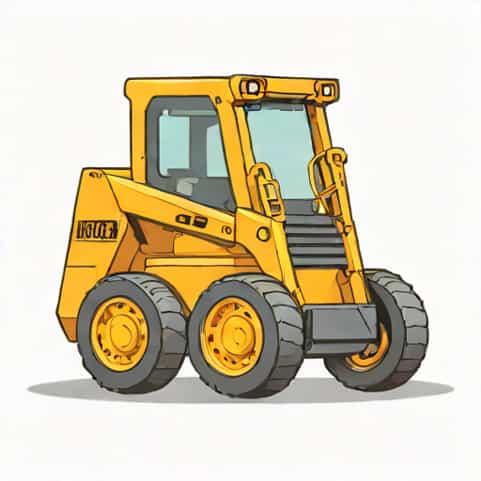
Construction and landscaping industries are always seeking ways to increase efficiency, improve safety, and reduce physical strain on operators. One innovation that has gained significant attention in recent years is the remote control skid steer. Unlike traditional skid steers that require an operator inside the cab, this modern machine can be operated from a distance using advanced remote-control technology. This feature not only enhances safety but also allows for more precision in challenging environments. Understanding how remote control skid steers work, their benefits, and their applications can help businesses and operators make the most of this powerful equipment.
What is a Remote Control Skid Steer?
A remote control skid steer is essentially a compact loader equipped with wireless control capabilities. Instead of sitting in the operator’s seat, the user wears a remote control system that typically involves a handheld controller or a wearable device. Through this controller, the operator can maneuver the skid steer, adjust attachments, and manage tasks without being physically inside the cab.
How Remote Control Technology Works
The control system communicates wirelessly with the machine using radio frequency or other advanced signals. Modern systems are designed to be highly responsive, with minimal lag between the operator’s command and the machine’s action. Many models also have safety features, such as automatic shut-off if the signal is lost, to ensure secure operation.
Advantages of Remote Control Skid Steers
The shift from traditional in-cab operation to remote control provides numerous benefits that appeal to both small business owners and large contractors.
Enhanced Safety
One of the biggest advantages of using a remote control skid steer is the improvement in operator safety. Dangerous job sites, unstable terrain, or hazardous environments can put operators at risk. With remote control, the operator can stand at a safe distance while still performing necessary tasks.
Greater Precision
Being able to control the machine from outside the cab allows the operator to gain a better visual perspective. This leads to more accurate positioning, especially when using attachments for tasks like grading, lifting, or digging. In tight spaces, the improved visibility can significantly reduce errors and potential damage.
Reduced Operator Fatigue
Sitting inside a skid steer for long hours can cause strain, vibration fatigue, and discomfort. Remote operation eliminates the need to sit inside the machine, reducing physical stress and allowing operators to work longer without exhaustion.
Versatility
Remote control skid steers are not limited to a specific type of work. They can perform standard skid steer tasks such as lifting, hauling, grading, and trenching while giving the operator freedom to move around the job site.
Applications of Remote Control Skid Steers
The uses of a remote control skid steer extend across different industries, making it a highly versatile piece of equipment. Some key applications include
-
DemolitionAllows safe removal of structures while operators stay away from falling debris.
-
Mining and TunnelingIn confined spaces, remote control helps reduce exposure to dust, gases, or cave-in risks.
-
Disaster ResponseUseful for clearing debris in unsafe zones after natural disasters such as earthquakes or floods.
-
LandscapingIdeal for precise grading and earthmoving in areas where visibility is critical.
-
Industrial CleaningCan be used to remove waste or clear hazardous materials inside factories.
Features of Modern Remote Control Skid Steers
Manufacturers are continuously improving remote-controlled skid steers with advanced features that enhance usability and performance. Some of these features include
-
Wearable controllersHands-free operation with joystick controls integrated into harnesses.
-
Long-range connectivityAbility to operate machines from significant distances while maintaining signal stability.
-
Camera systemsSome units include cameras for live video feed, offering even greater visibility in restricted environments.
-
Attachment controlRemote management of hydraulic and powered attachments without manual adjustments.
-
Fail-safe technologyAutomatic shutdown if the signal is interrupted or if the operator moves outside a designated range.
Challenges and Limitations
While remote control skid steers offer many benefits, there are also some challenges to consider.
Cost Factor
Advanced technology comes with a higher upfront cost compared to standard skid steers. Smaller businesses may find it challenging to invest in this equipment without considering the long-term return on investment.
Training Requirements
Operating a remote control skid steer requires proper training to ensure smooth handling and safety. New operators may need time to adapt to the controls, especially when handling complex tasks.
Signal Dependency
Because these machines rely on wireless technology, environments with signal interference or obstructions may present operational difficulties. Manufacturers address this with robust systems, but it remains a factor to keep in mind.
Choosing the Right Remote Control Skid Steer
Selecting the right machine involves considering the type of work, budget, and additional features needed. Some factors to evaluate include
-
Job requirementsDetermine whether the tasks involve heavy demolition, precise landscaping, or hazardous environments.
-
Compatibility with attachmentsEnsure the skid steer can support the tools needed for various jobs.
-
Range of operationDifferent models offer varying control ranges, which can be important for specific job sites.
-
Durability and maintenanceChoose a machine that can withstand tough conditions and has accessible service support.
Future of Remote Control Skid Steers
The future of remote control skid steers looks promising as technology continues to advance. Integration with autonomous systems, AI-driven controls, and enhanced connectivity may eventually lead to fully automated compact loaders. For now, remote control offers the perfect balance between human decision-making and machine efficiency.
The remote control skid steer represents a major leap forward in the construction and industrial sectors. By combining safety, precision, and efficiency, it offers operators the ability to handle tough jobs without being exposed to the same risks as traditional equipment. While it does require investment and training, the long-term advantages make it a worthwhile addition to many operations. As industries continue to evolve, remote control skid steers will likely play an even bigger role in shaping the future of heavy equipment and job site safety.
Apakah Anda ingin saya tambahkan perbandingan tabel sederhana antara skid steer tradisional dan remote control skid steer agar lebih menarik dan mudah dipahami pembaca?