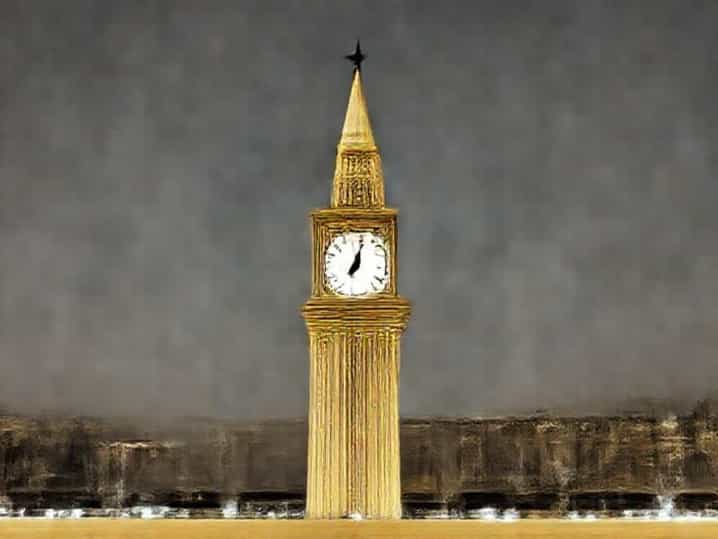
The Clock Tower in Mecca, officially known as the Abraj Al-Bait Clock Tower, is one of the most iconic landmarks in the Islamic world and a symbol of modern architectural achievement in Saudi Arabia. Located in close proximity to the Masjid al-Haram, the holiest site in Islam, the tower is not only a marvel of engineering but also a significant point of reference for millions of pilgrims who visit Mecca each year. Standing as part of the Abraj Al-Bait complex, the Clock Tower combines functional utility, cultural symbolism, and technological innovation, making it a centerpiece in the urban and spiritual landscape of the city. Its towering presence, intricate design, and role in guiding pilgrims reflect the convergence of tradition and modernity in Mecca.
History and Development
The idea of the Clock Tower Mecca originated in the early 21st century as part of Saudi Arabia’s broader initiative to modernize the city’s infrastructure and accommodate the growing number of Hajj and Umrah pilgrims. Construction began in 2004 and was completed in 2012, resulting in a skyscraper that reaches a height of 601 meters, making it one of the tallest buildings in the world. The project aimed to provide accommodations, commercial spaces, and facilities for worshippers while maintaining the sanctity and accessibility of the nearby Masjid al-Haram. The Clock Tower’s development represents a balance between large-scale urban planning and the preservation of religious heritage, highlighting the city’s role as a center of spiritual devotion and modern architectural achievement.
Architectural Features
The Clock Tower Mecca is renowned for its unique architectural design and impressive structural elements. Its most prominent feature is the enormous clock, which is visible from great distances and is one of the largest in the world. The tower’s façade incorporates Islamic motifs, geometric patterns, and a blend of traditional and contemporary design elements, reflecting the cultural and religious identity of the region. The spire at the top of the tower is crowned with a crescent, a symbolic feature in Islamic architecture. Inside, the tower houses luxury hotels, residential apartments, shopping malls, and prayer rooms, catering to the needs of pilgrims and visitors while offering modern comforts and amenities.
Significance for Pilgrims
The Clock Tower serves as more than a visual landmark; it plays a critical role for the millions of pilgrims who come to Mecca annually. The tower provides a reliable reference point for orientation around the Masjid al-Haram, helping worshippers navigate the dense crowds during Hajj and Umrah. Its clock allows pilgrims to synchronize prayers and rituals, ensuring they can participate in religious practices according to precise timing. Furthermore, the tower’s facilities, including hotels and prayer areas, enhance the overall experience of visitors, offering comfort and accessibility during their spiritual journey. The Clock Tower thus integrates functionality with spiritual significance, emphasizing the importance of practical support in religious devotion.
Cultural and Religious Impact
The presence of the Clock Tower Mecca has had a profound impact on both the cultural and religious identity of the city. As an architectural icon, it symbolizes the intersection of faith and modernity, representing Saudi Arabia’s commitment to supporting the spiritual needs of the global Muslim community while embracing contemporary design and technology. The tower has become a subject of photography, media coverage, and artistic representation, reinforcing Mecca’s image as a city that honors tradition while advancing into the modern era. Its towering structure and visible clock also serve as a reminder of the passage of time, encouraging reflection, discipline, and mindfulness in religious observance.
Technological Innovations
The Clock Tower is equipped with advanced technological systems that enhance its functionality and prominence. The clock mechanism is illuminated with millions of LED lights, making it visible at night across vast distances. Advanced timekeeping technology ensures accuracy for religious observances, while environmental control systems provide comfort in the tower’s residential and commercial spaces. Additionally, the tower incorporates seismic design elements, ensuring safety in a region prone to occasional earthquakes. These technological innovations demonstrate the integration of modern engineering with cultural and religious priorities, making the Clock Tower Mecca a model of sophisticated design in service of spiritual purpose.
Tourism and Economic Contribution
Beyond its spiritual role, the Clock Tower Mecca has contributed significantly to tourism and the local economy. The surrounding Abraj Al-Bait complex includes shopping malls, restaurants, and entertainment facilities that attract visitors year-round, generating revenue and creating employment opportunities. The tower’s prominence also promotes Mecca as a center for cultural exchange, drawing international visitors and fostering a global appreciation of Islamic heritage. By combining religious significance with economic utility, the Clock Tower exemplifies how urban development can respect cultural traditions while supporting modern economic growth.
Challenges and Criticism
Despite its many achievements, the Clock Tower Mecca has faced criticism and challenges. Some observers have raised concerns about the scale of construction, its impact on the surrounding historical environment, and the transformation of Mecca’s urban landscape. The juxtaposition of a massive modern skyscraper with ancient religious sites has sparked debate about preservation versus modernization. Additionally, the influx of pilgrims facilitated by the tower’s facilities has increased pressure on local infrastructure and public services. These challenges highlight the complex balance required in managing urban development, religious sanctity, and the needs of a growing global population of worshippers.
Global Recognition
The Clock Tower Mecca has received worldwide recognition as a landmark of architectural and cultural significance. It is frequently featured in international media, travel guides, and scholarly studies on urban development and religious tourism. Its combination of size, design, and religious relevance makes it a unique point of interest, attracting architects, engineers, and travelers from around the world. The tower’s global profile reinforces Mecca’s centrality in the Islamic world, enhancing awareness of the city’s spiritual, cultural, and historical importance while promoting international dialogue on architecture and urban planning.
The Clock Tower Mecca stands as a monumental symbol of faith, culture, and modern achievement. It integrates spiritual significance, practical functionality, and innovative design, serving millions of pilgrims while contributing to the economic and cultural vitality of the city. Its historical development, architectural features, and technological sophistication reflect a careful balance of tradition and progress, making it one of the most remarkable landmarks in the Islamic world. As a symbol of Mecca’s evolving urban landscape and enduring religious importance, the Clock Tower continues to inspire awe, respect, and admiration, highlighting the convergence of devotion, culture, and innovation in one of the most significant cities on the planet.