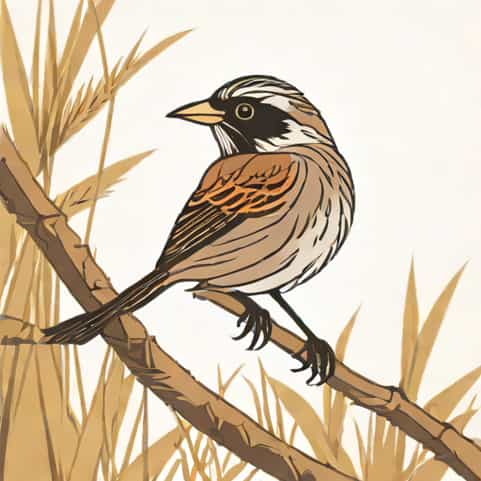
The dusky seaside sparrow was a small, dark-colored bird that once inhabited the salt marshes of Florida’s Atlantic coast. Known for its subtle plumage and melodic, though understated, song, this sparrow became a symbol of environmental fragility and the devastating impact of habitat loss. Over several decades, the population of the dusky seaside sparrow dwindled dramatically due to human activities, ultimately leading to its extinction in the late 20th century. Studying the dusky seaside sparrow provides valuable insights into conservation biology, the importance of protecting fragile ecosystems, and the lessons learned from the irreversible consequences of environmental neglect.
Identification and Characteristics
The dusky seaside sparrow was distinguished by its muted brown and gray feathers, with slightly darker wings and a subtle streaking pattern. Adult males were generally darker than females, exhibiting a dusky coloration that inspired the bird’s common name. This species was small, measuring about five to six inches in length, with a short, conical beak suited for its seed-based diet. Its song was soft and high-pitched, often described as a series of short, repetitive notes that blended seamlessly with the ambient sounds of marshes, making it a challenge to locate for casual observers.
Physical Traits
- Small body size, typically around five to six inches in length.
- Dusky brown and gray plumage, with subtle streaking on wings.
- Short, conical beak adapted for seed consumption.
- Distinctive, soft, and repetitive high-pitched song used for communication and mating calls.
- Sexual dimorphism in coloration, with males generally darker than females.
Habitat and Range
The dusky seaside sparrow was endemic to the salt marshes along the Merritt Island and St. Johns River estuary regions of Florida. These marshes provided the bird with a specialized habitat consisting of low vegetation, including salt-tolerant grasses and shrubs, which were essential for nesting, foraging, and protection from predators. This restricted geographic range made the species particularly vulnerable to environmental changes, as any disruption or destruction of its marsh habitat had a direct and significant impact on the population.
Habitat Characteristics
- Coastal salt marshes with abundant salt-tolerant vegetation.
- Low-lying, wetland areas that were seasonally flooded.
- Nesting sites located in dense grasses and shrubs to avoid predation.
- Foraging areas with abundant seeds and insects for sustenance.
- Limited geographic range along Florida’s Atlantic coast, contributing to vulnerability.
Causes of Decline
The decline of the dusky seaside sparrow was primarily due to habitat destruction and environmental changes caused by human activities. Large-scale mosquito control projects during the mid-20th century involved draining marshes and spraying pesticides, which drastically reduced the available habitat for the sparrow. Additionally, urban development and industrial expansion along the coast fragmented the remaining marshlands. This combination of habitat loss, pollution, and restricted geographic distribution accelerated the species’ decline, making it increasingly difficult for populations to sustain themselves.
Human Impacts
- Mosquito control programs that drained and altered salt marshes.
- Pesticide use that contaminated the environment and food sources.
- Urban development and industrial expansion fragmenting habitats.
- Limited natural range preventing migration to alternative habitats.
- Inability to adapt quickly to rapid environmental changes caused by human intervention.
Conservation Efforts
As the dusky seaside sparrow’s population began to decline, conservationists attempted to intervene with breeding programs and habitat restoration projects. Efforts included capturing the remaining wild birds for controlled breeding, relocating sparrows to restored marsh areas, and protecting remaining habitats from further destruction. Despite these initiatives, the limited number of surviving individuals and the degradation of critical habitats made recovery nearly impossible. The challenges faced in conserving the dusky seaside sparrow highlighted the difficulties of intervening late in the extinction process, particularly for species with specialized habitat needs.
Conservation Measures
- Captive breeding programs attempting to increase population numbers.
- Relocation of individuals to restored or protected marshes.
- Legal protection of remaining habitats to prevent further destruction.
- Research programs to study habitat requirements and species behavior.
- Collaboration between governmental and non-governmental organizations to coordinate conservation efforts.
Extinction and Legacy
The dusky seaside sparrow was declared extinct in the late 1980s, with the last known individual dying in captivity in 1987. Its extinction served as a stark reminder of the vulnerability of species with narrow habitat ranges and the irreversible consequences of human-induced environmental change. The story of the dusky seaside sparrow has since been used in educational programs, environmental campaigns, and scientific studies to emphasize the importance of early intervention, habitat preservation, and proactive conservation strategies.
Lessons Learned
- Species with highly specialized habitats are at extreme risk from environmental changes.
- Delayed conservation efforts often cannot reverse population decline once numbers become critically low.
- Human intervention in ecosystems must consider the long-term impacts on biodiversity.
- Public awareness and education are crucial for supporting conservation initiatives.
- Restoration and protection of habitats can prevent similar extinctions in other vulnerable species.
Scientific and Educational Importance
The dusky seaside sparrow continues to hold scientific and educational significance. Researchers study its decline to understand ecological vulnerabilities, the impacts of environmental modification, and the importance of genetic diversity in conservation. Environmental organizations use the story of the sparrow to advocate for wetland protection and sustainable land-use practices. By examining the ecological, biological, and human factors that led to its extinction, scientists and educators aim to prevent similar losses in the future.
Applications in Research and Conservation
- Studies of population dynamics and habitat specialization in endangered species.
- Research on the impact of pesticides and habitat destruction on wildlife.
- Development of conservation policies to protect wetland ecosystems.
- Educational programs emphasizing biodiversity and human responsibility in environmental stewardship.
- Case studies in extinction prevention for similar coastal and marsh-dwelling species.
The dusky seaside sparrow represents a poignant example of the consequences of habitat loss and human impact on the natural world. Once a unique inhabitant of Florida’s salt marshes, this small bird’s extinction highlights the fragility of specialized species and the urgent need for proactive conservation measures. Its story serves as a lesson for environmentalists, policymakers, and the public, emphasizing the importance of protecting vulnerable habitats, monitoring species populations, and addressing ecological threats before they lead to irreversible outcomes. The legacy of the dusky seaside sparrow continues to inspire efforts to safeguard biodiversity and maintain the delicate balance of coastal ecosystems.