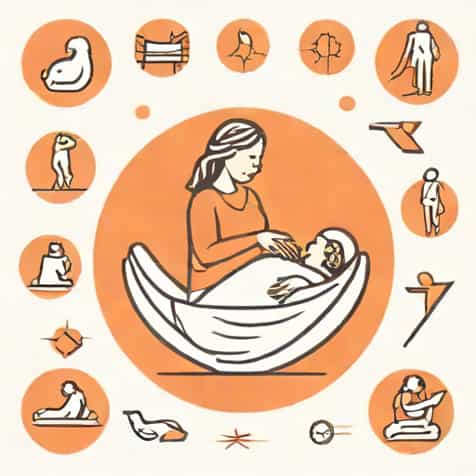
Childbirth is a complex and miraculous process that marks the culmination of pregnancy, involving the intricate coordination of the mother’s body and the developing baby. It is a transformative experience that combines physical, emotional, and psychological aspects, preparing both the mother and newborn for a new phase of life. Understanding the stages of labor, the physiological changes involved, and the available methods of support can help expectant parents feel more confident and prepared. From early contractions to the delivery of the placenta, the process of childbirth is both challenging and rewarding, highlighting the resilience and adaptability of the human body.
The Stages of Childbirth
Childbirth is traditionally divided into three main stages the first stage (labor), the second stage (delivery of the baby), and the third stage (delivery of the placenta). Each stage has unique characteristics, challenges, and processes, and understanding these can help expectant mothers anticipate what to expect during labor and delivery.
First Stage Labor
The first stage of childbirth is the longest and involves the onset of regular contractions that help the cervix dilate and efface, preparing the body for the baby’s passage through the birth canal. This stage is divided into two phases latent and active labor.
- Latent PhaseDuring the latent phase, contractions begin irregularly and gradually increase in intensity and frequency. The cervix dilates from 0 to approximately 6 centimeters. This phase can last several hours or even days, especially for first-time mothers. Many women experience mild discomfort, back pain, and excitement mixed with anxiety.
- Active PhaseIn the active phase, contractions become stronger, longer, and more frequent, typically occurring every 3 to 5 minutes. The cervix dilates from 6 to 10 centimeters, signaling the transition to the next stage. During this phase, women often require additional support, pain management strategies, and guidance from healthcare providers.
Second Stage Delivery of the Baby
The second stage begins once the cervix is fully dilated, marking the start of pushing. During this stage, the baby moves through the birth canal, and contractions continue to assist in this process. The length of the second stage varies, often lasting from a few minutes to several hours, depending on factors such as maternal strength, fetal position, and whether it is a first birth.
- PushingMothers are encouraged to follow their body’s natural urge to push during contractions. Healthcare providers guide the positioning, timing, and technique of pushing to reduce complications and ensure safe delivery.
- Birth of the BabyThe crowning phase occurs when the baby’s head becomes visible at the vaginal opening. With careful guidance, the healthcare team assists the baby’s shoulders and body through the birth canal, completing the delivery. Immediate skin-to-skin contact is often recommended to promote bonding and regulate the baby’s temperature, heart rate, and breathing.
Third Stage Delivery of the Placenta
After the baby is born, the third stage of childbirth involves the expulsion of the placenta, which usually occurs within 5 to 30 minutes. Contractions continue during this stage, helping separate the placenta from the uterine wall. The healthcare provider may massage the uterus and administer medications to reduce bleeding and prevent complications. This stage is critical for maternal recovery and completing the physical process of childbirth.
Physiological Changes During Childbirth
Childbirth triggers numerous physiological changes in both the mother and baby. Hormonal fluctuations, cardiovascular adjustments, and muscular coordination are all essential components of a successful labor and delivery.
Maternal Changes
- Hormonal ShiftsOxytocin plays a key role in stimulating contractions and promoting maternal bonding. Endorphins help manage pain naturally, while prolactin prepares the mother for breastfeeding.
- Cardiovascular and Respiratory AdjustmentsHeart rate and blood pressure fluctuate during contractions. Deep, controlled breathing techniques help manage discomfort and maintain oxygen levels for both mother and baby.
- Musculoskeletal AdaptationsLigaments and joints loosen due to the hormone relaxin, facilitating the passage of the baby through the birth canal.
Fetal Changes
- PositioningThe baby typically moves into a head-down position, aligning for an optimal vaginal delivery.
- Physiological AdaptationThe newborn prepares for breathing outside the womb as the lungs expand and blood circulation adjusts immediately after birth.
Pain Management and Support
Labor and delivery can involve significant discomfort, and various methods exist to support mothers during childbirth. Pain management strategies are personalized based on medical advice, maternal preference, and labor progression.
Medical Interventions
- Epidural AnesthesiaProvides regional pain relief while allowing the mother to remain awake and participate in the birth.
- MedicationsAnalgesics and sedatives may be used to manage pain and anxiety.
- Assisted DeliveryIn some cases, tools like forceps or vacuum devices are used to facilitate the baby’s delivery safely.
Non-Medical Support
- Breathing TechniquesGuided breathing can help manage contractions and reduce anxiety.
- Labor PositionsChanging positions can improve comfort, encourage fetal descent, and optimize contractions.
- Emotional SupportThe presence of a partner, doula, or supportive healthcare team can enhance confidence and reduce stress during labor.
Postpartum Recovery
After childbirth, the mother’s body begins a process of recovery and adaptation, which includes physical healing, hormonal adjustment, and emotional changes. Monitoring for complications such as excessive bleeding, infection, or postpartum depression is essential during the initial weeks after delivery. Breastfeeding and bonding with the newborn play a vital role in supporting both maternal and infant health, while gradual resumption of physical activity aids in restoring strength and energy.
Physical Recovery
Uterine contractions continue postpartum to minimize bleeding, and the body gradually returns to its pre-pregnancy state. Proper nutrition, hydration, and rest are crucial for healing and recovery.
Emotional Recovery
Childbirth can be emotionally intense, and it is normal for mothers to experience a range of feelings, including joy, anxiety, or fatigue. Support from family, healthcare providers, and community resources can help manage emotional health and promote a positive postpartum experience.
The process of childbirth is a remarkable journey that encompasses intricate physiological mechanisms, emotional experiences, and adaptive strategies. Understanding the stages of labor, the changes in the mother and baby, and the available methods of support can help expectant parents prepare for this life-changing event. From early contractions to the delivery of the placenta, childbirth requires resilience, patience, and guidance. By gaining knowledge of the process and utilizing appropriate medical and emotional support, mothers can navigate labor more confidently, ensuring a safer and more empowering experience for both themselves and their newborns.