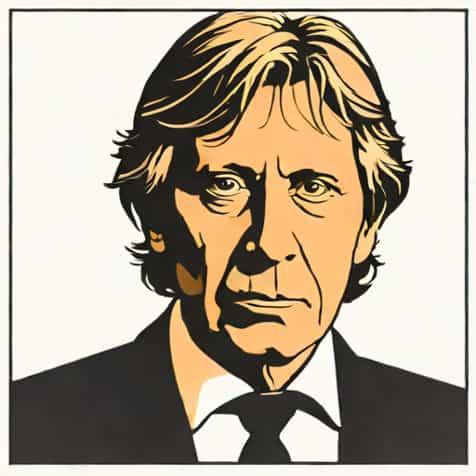
The Tenant, directed by Roman Polanski, is a psychological thriller that delves into paranoia, identity, and the human psyche. Released in 1976, the film is the third installment in Polanski’s unofficial Apartment Trilogy, following Repulsion and Rosemary’s Baby. The movie combines elements of horror and drama, exploring the disintegration of an individual’s sense of self within the claustrophobic confines of urban life. Polanski, who also stars in the film, masterfully crafts a narrative that is unsettling, thought-provoking, and visually striking, making The Tenant a significant work in both his career and the psychological thriller genre.
Plot Overview
The Tenant tells the story of Trelkovsky, a quiet and introverted man who moves into an apartment in Paris after the previous tenant, Simone Choule, attempts suicide. As Trelkovsky settles into the apartment, he begins to experience a series of disturbing events, including suspicious neighbors, strange noises, and an oppressive atmosphere. Gradually, Trelkovsky’s mental state deteriorates as he becomes obsessed with Simone’s life and the possibility that he is being transformed into her. The film blurs the lines between reality and delusion, leaving audiences questioning what is real and what is a product of Trelkovsky’s mind.
Main Themes
The Tenant explores several themes that are central to Polanski’s work. Identity and transformation are at the forefront, as Trelkovsky’s struggle with selfhood mirrors a larger commentary on societal pressures and alienation. The theme of paranoia is also prominent, reflecting fears of persecution and intrusion within urban living spaces. Polanski examines the psychological effects of isolation and the fragility of the human mind, creating a narrative that is both suspenseful and intellectually engaging.
Roman Polanski’s Direction
Roman Polanski’s direction in The Tenant is notable for its meticulous attention to atmosphere and visual storytelling. Polanski uses tight, confining shots of the apartment to evoke claustrophobia and unease. The cinematography emphasizes shadows, reflections, and distorted perspectives, enhancing the film’s sense of psychological disorientation. Polanski’s personal experience with paranoia and persecution informs the narrative, lending authenticity to Trelkovsky’s fears and mental unraveling. His ability to balance suspense with subtle social commentary makes The Tenant a complex and enduring work.
Performance and Characterization
Polanski himself plays Trelkovsky, delivering a performance that captures the character’s growing anxiety and descent into madness. The supporting cast, including Isabelle Adjani as Stella, contributes to the tense and oppressive environment. The characters are carefully constructed to reflect both ordinary human behavior and subtle menacing qualities, leaving viewers uncertain about who to trust. Trelkovsky’s internal struggles are mirrored in his interactions with neighbors, highlighting the ambiguity between psychological disturbance and external threat.
Cinematography and Visual Style
The visual style of The Tenant is integral to its storytelling. Cinematographer Sven Nykvist, known for his work with Ingmar Bergman, collaborates with Polanski to create a visual language that conveys isolation and paranoia. The use of narrow hallways, dim lighting, and reflective surfaces enhances the unsettling atmosphere. Polanski often frames Trelkovsky in small, enclosed spaces, visually representing his mental confinement. The visual composition reinforces the narrative’s tension, ensuring that viewers feel the character’s growing unease throughout the film.
Sound Design and Music
The film’s sound design and musical score contribute significantly to its psychological impact. Subtle background noises, creaking floors, and muffled voices amplify the sense of paranoia and suspense. Music is used sparingly but effectively, accentuating key moments of tension and emotional intensity. The careful combination of auditory and visual elements immerses the audience in Trelkovsky’s perspective, blurring the line between his internal fears and external reality.
Critical Reception
Upon its release, The Tenant received mixed reviews, with some critics praising Polanski’s direction and psychological depth, while others found the narrative unsettling and ambiguous. Over time, however, the film has been recognized as a masterpiece of psychological horror and thriller cinema. Critics highlight its exploration of identity, urban isolation, and mental instability, as well as Polanski’s skillful blending of suspense, horror, and social commentary. The film’s enduring influence is evident in contemporary psychological thrillers that draw inspiration from its themes and style.
Influence and Legacy
The Tenant has had a lasting impact on cinema, influencing filmmakers interested in psychological tension and character-driven horror. Its exploration of identity, paranoia, and societal pressures resonates with modern audiences, particularly in urban contexts where isolation and alienation are prevalent. Polanski’s meticulous attention to visual composition, sound, and character development serves as a benchmark for psychological storytelling. The film remains a significant work in the study of European cinema and the evolution of horror and thriller genres.
Symbolism and Interpretation
The film is rich with symbolism, reflecting themes of duality, transformation, and social conformity. Trelkovsky’s gradual assumption of Simone Choule’s identity can be interpreted as a metaphor for the pressures to conform to societal expectations. The apartment itself acts as a symbol of confinement and scrutiny, representing both physical and psychological entrapment. Polanski leaves much open to interpretation, encouraging viewers to consider the interplay between personal fear, external threat, and mental instability.
Psychological and Philosophical Dimensions
The Tenant also engages with psychological and philosophical questions about the nature of self and reality. The blurring of Trelkovsky’s perception invites audiences to reflect on how identity is shaped by environment, social interaction, and personal insecurities. The film poses unsettling questions about autonomy, societal control, and the fragility of the human mind, elevating it beyond a conventional thriller to a profound meditation on existence and perception.
The Tenant by Roman Polanski is a landmark psychological thriller that combines compelling narrative, masterful direction, and rich thematic content. Through its exploration of identity, paranoia, and mental disintegration, the film offers a powerful commentary on human vulnerability and societal pressures. Polanski’s direction, cinematography, sound design, and performance create a tense and immersive experience, making the audience feel Trelkovsky’s mounting fear and confusion. The film’s complex symbolism and psychological depth ensure that it remains relevant and influential decades after its release. The Tenant is not only a testament to Polanski’s skill as a filmmaker but also a profound exploration of the human psyche, urban isolation, and the fragile nature of identity.