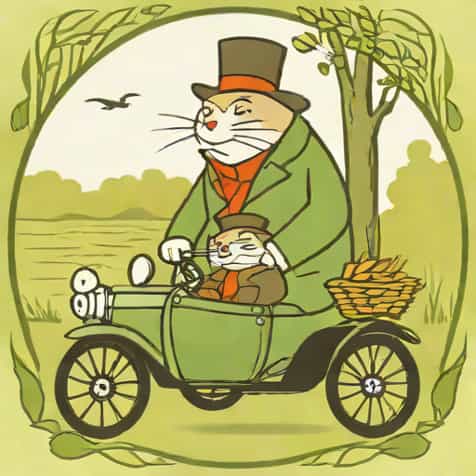
The Wind in the Willows by Kenneth Grahame is a timeless story that has captivated readers for over a century. First published in 1908, this enchanting tale combines the beauty of the English countryside with the adventures of anthropomorphic animals. The story blends themes of friendship, adventure, and the longing for home, while also exploring the tension between the comfort of domestic life and the excitement of the unknown. With vivid descriptions and memorable characters, Grahame’s work continues to inspire both children and adults alike.
Background and Author
Kenneth Grahame, born in 1859 in Edinburgh, Scotland, was a writer who had a deep appreciation for nature and the countryside. His experiences growing up in the rural areas of England and his love for storytelling greatly influenced his writing style. Before publishing The Wind in the Willows, Grahame had already written essays and short stories, but this book became his most famous work. The novel reflects Grahame’s fascination with animals, the natural world, and the gentle humor found in everyday life.
Plot Overview
The story follows the adventures of four central characters Mole, Rat, Toad, and Badger. Mole is a shy and timid creature who leaves his underground home to explore the world above. He meets Rat, a friendly and adventurous water vole who enjoys life by the river. Together, they encounter Toad, a wealthy and impulsive character whose obsession with motorcars often leads him into trouble. Badger, a wise and reclusive animal, serves as a mentor figure who helps guide the friends through their challenges.
The Riverbank and the Wild Wood
A significant aspect of the book is its setting. The story is divided between the peaceful riverbank, where Rat and Mole spend much of their time, and the Wild Wood, a mysterious and dangerous place. Grahame’s detailed descriptions of the countryside and the changing seasons create a vivid sense of place. The contrast between the safety of the riverbank and the perilous Wild Wood mirrors the broader theme of adventure versus security in the characters’ lives.
Character Development
Each character in The Wind in the Willows embodies different traits that reflect human nature. Mole represents curiosity and the joy of discovery. Rat symbolizes loyalty, companionship, and a love for simple pleasures. Toad, with his reckless behavior and desire for excitement, reflects the dangers of indulgence and ego. Badger, in contrast, embodies wisdom, patience, and responsibility. Through their interactions, Grahame illustrates the importance of friendship, community, and personal growth.
Themes and Messages
The Wind in the Willows explores a variety of themes that resonate across generations. One prominent theme is the value of friendship and loyalty. Mole and Rat’s relationship demonstrates how mutual support can help individuals navigate challenges. Another key theme is the tension between adventure and stability. While Toad’s reckless pursuits lead to chaos, Mole and Rat find fulfillment in simpler, more meaningful experiences. The novel also celebrates the beauty of nature and the importance of living in harmony with the environment.
Morality and Life Lessons
Although written primarily for children, Grahame’s novel conveys lessons that are relevant to all ages. The story encourages readers to embrace curiosity, face fears, and learn from mistakes. Toad’s journey, in particular, highlights the consequences of recklessness and the need for personal responsibility. At the same time, the book emphasizes the joy of companionship and the satisfaction that comes from appreciating life’s simple pleasures, such as the tranquility of the river or the warmth of a home.
Literary Style and Language
Grahame’s writing style in The Wind in the Willows is both lyrical and accessible. His use of vivid imagery brings the English countryside to life, while his dialogue gives each character a distinct voice. The novel combines elements of adventure, humor, and gentle philosophical reflection, creating a narrative that is both entertaining and thought-provoking. The descriptive passages, particularly those detailing nature and the changing seasons, contribute to the timeless charm of the story.
Symbolism and Metaphor
The novel also uses symbolism to convey deeper meanings. The river, for example, represents freedom, exploration, and the natural flow of life, while the Wild Wood symbolizes danger, uncertainty, and the unknown challenges that every individual faces. Toad’s obsession with motorcars serves as a metaphor for unchecked ambition and the human desire for excitement without considering the consequences. Through these symbolic elements, Grahame enriches the story with layers of meaning that continue to resonate with readers.
Reception and Legacy
Since its publication, The Wind in the Willows has been widely acclaimed and remains a beloved classic. It has inspired numerous adaptations, including films, stage plays, and television series. The novel’s appeal lies in its combination of adventure, humor, and timeless life lessons. It is celebrated for its universal themes and its ability to capture the imagination of readers of all ages. Schools often include the book in literature curricula, and it continues to influence children’s literature and storytelling.
Enduring Popularity
Part of the enduring popularity of The Wind in the Willows comes from its balance of whimsical storytelling and profound insights into human nature. Readers are drawn to the memorable characters and their adventures, but they also appreciate the underlying messages about friendship, courage, and the importance of appreciating life’s simple joys. The novel’s depiction of the English countryside has also helped preserve interest in rural life and nature, encouraging generations to connect with the environment in meaningful ways.
The Wind in the Willows by Kenneth Grahame is much more than a children’s story. It is a rich exploration of friendship, adventure, and the beauty of the natural world. With its memorable characters, charming narrative, and enduring themes, it has secured a lasting place in literature. Grahame’s ability to weave life lessons into a whimsical tale ensures that readers, whether young or old, find both joy and wisdom in the pages of this classic novel. Its celebration of curiosity, loyalty, and the simple pleasures of life continues to inspire and enchant readers worldwide.