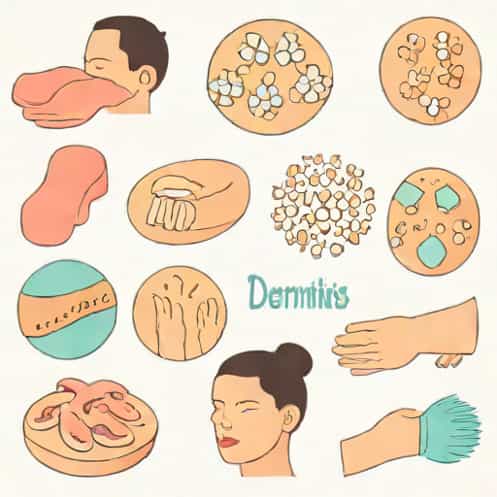
Dermatitis is a common skin condition that affects millions of people worldwide, causing irritation, redness, and discomfort. While many may recognize dermatitis simply as skin rash, it actually encompasses a variety of types, each with unique causes, symptoms, and treatment options. Understanding the different types of dermatitis is essential for proper care and prevention. In this topic, we will explore the main forms of dermatitis, how they present on the skin, and practical tips for managing and preventing flare-ups, offering readers a comprehensive overview of this widespread condition.
Atopic Dermatitis
Atopic dermatitis, often referred to as eczema, is a chronic condition that frequently begins in childhood. It is associated with a genetic predisposition and often occurs alongside other allergic conditions, such as asthma or hay fever. Individuals with atopic dermatitis experience dry, itchy, and inflamed skin, typically on the face, hands, feet, or behind the knees. Flare-ups may be triggered by environmental factors, allergens, or stress. Moisturizing regularly and avoiding irritants are crucial in managing symptoms, while doctors may recommend topical corticosteroids for severe cases.
Symptoms of Atopic Dermatitis
- Dry, scaly, or thickened skin
- Intense itching, especially at night
- Red or inflamed patches
- Crusting or oozing in severe cases
- Commonly affects face, hands, and the back of knees
Contact Dermatitis
Contact dermatitis occurs when the skin reacts to external substances, either through irritation or allergic response. There are two main types irritant contact dermatitis and allergic contact dermatitis. Irritant contact dermatitis is caused by direct damage from harsh chemicals, detergents, or frequent washing. Allergic contact dermatitis occurs when the skin develops an immune reaction to a specific allergen, such as nickel, fragrances, or poison ivy. Symptoms usually appear within hours to days of exposure, and identifying and avoiding the trigger is key to managing the condition.
Signs and Symptoms
- Red, inflamed, or blistered skin
- Itching and burning sensations
- Cracks or sores in chronic cases
- Localized rash corresponding to contact area
- Possible swelling around the affected region
Seborrheic Dermatitis
Seborrheic dermatitis is a type of chronic inflammation that primarily affects areas rich in oil-producing glands, such as the scalp, face, and upper chest. It is characterized by flaky, white or yellowish scales, redness, and sometimes itching. This form of dermatitis is linked to overgrowth of a yeast called Malassezia, as well as genetic and environmental factors. Seborrheic dermatitis is common in infants, known as cradle cap, and in adults. Treatments often include medicated shampoos, antifungal creams, and gentle cleansing routines to reduce flaking and irritation.
Common Symptoms
- Greasy, yellow, or white scales
- Redness and inflammation of affected areas
- Itching or burning sensation
- Commonly affects scalp, eyebrows, and chest
- May worsen during stress or cold weather
Dyshidrotic Dermatitis
Dyshidrotic dermatitis, also known as pompholyx, primarily affects the hands and feet. It causes small, fluid-filled blisters that can be extremely itchy and uncomfortable. The exact cause is unknown, but triggers may include stress, allergies, or prolonged exposure to moisture. The blisters typically appear on the sides of fingers, palms, or soles of the feet and can last for several weeks. Treatment often involves topical corticosteroids, cool compresses, and minimizing exposure to irritants to prevent further outbreaks.
Symptoms to Recognize
- Small, itchy blisters on hands and feet
- Red, cracked, or peeling skin around blisters
- Burning or tingling sensations
- Possible thickened skin in chronic cases
- Flare-ups triggered by stress or moisture
Nummular Dermatitis
Nummular dermatitis is characterized by coin-shaped patches of inflamed, itchy skin. It can occur anywhere on the body but is most commonly found on the arms, legs, and torso. The cause is not entirely understood, though dry skin, irritants, and environmental factors are often implicated. Nummular dermatitis tends to flare up in winter months when the skin is dry. Treatment usually involves moisturizers, topical corticosteroids, and avoiding irritants that can aggravate the condition.
Recognizing Nummular Dermatitis
- Coin-shaped red or pink patches
- Itching and discomfort in affected areas
- Possible crusting or oozing if scratched
- Common on arms, legs, and torso
- Exacerbated by dry skin or cold weather
Stasis Dermatitis
Stasis dermatitis occurs primarily in the lower legs due to poor circulation, often associated with varicose veins or chronic venous insufficiency. Fluid buildup causes inflammation, leading to redness, itching, and scaling. Chronic stasis dermatitis can result in skin thickening, pigmentation changes, and ulcer formation. Treatment focuses on improving circulation through compression stockings, leg elevation, and topical medications to reduce inflammation and prevent infection.
Key Features of Stasis Dermatitis
- Red, swollen, or itchy lower legs
- Skin discoloration and thickening over time
- Scaling, crusting, or oozing in severe cases
- Associated with varicose veins or poor circulation
- Preventive care includes compression therapy and leg elevation
Understanding the types of dermatitis is essential for effective management, prevention, and treatment. From atopic dermatitis and contact dermatitis to seborrheic, dyshidrotic, nummular, and stasis dermatitis, each form presents distinct symptoms, causes, and care strategies. Early recognition and appropriate treatment can prevent worsening of symptoms, reduce discomfort, and improve quality of life. Moisturizing regularly, avoiding irritants, and seeking medical advice when necessary are key steps to managing dermatitis effectively. Awareness and education about these skin conditions empower individuals to take control of their health and maintain healthy, comfortable skin.