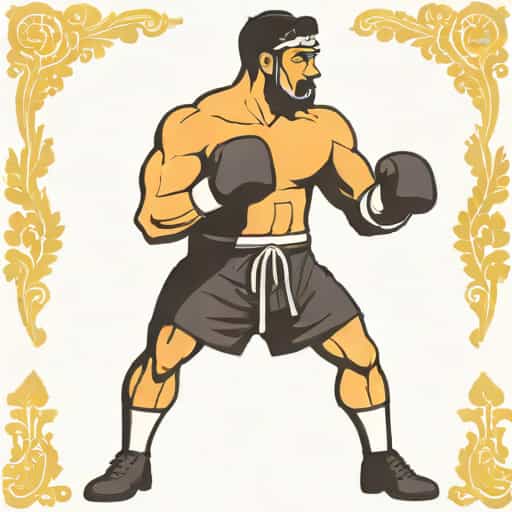
The Victorian era was a period of dramatic social, cultural, and industrial change in Britain, spanning from 1837 to 1901. During this time, pugilism, or bare-knuckle boxing, emerged as both a popular sport and a controversial social phenomenon. Victorian era pugilists, often hailed as both athletes and entertainers, navigated a world that valued toughness, skill, and personal honor, yet was also marked by legal restrictions and moral scrutiny. These fighters, who trained rigorously in gyms and often competed in underground arenas, embodied the raw physicality and competitive spirit of the age. While the sport would eventually evolve into modern boxing, the pugilists of the Victorian era laid the foundation for professional fighting and played a pivotal role in shaping the cultural perception of combat sports.
Historical Context of Victorian Pugilism
The Roots of Boxing in Britain
Pugilism in the Victorian era was the continuation of a long tradition of English bare-knuckle fighting that dated back to the 18th century. Early boxing was largely unregulated, often taking place in public houses, open fields, or private clubs. By the time of Queen Victoria’s reign, boxing had begun to attract a more diverse audience, including working-class enthusiasts and members of the upper classes who were fascinated by the spectacle of skill and strength.
Legal and Social Challenges
Despite its popularity, pugilism faced legal and social challenges. Prizefights were frequently held in secret to avoid interference from law enforcement, and participants risked fines or imprisonment if caught. Social critics condemned boxing for its violence and perceived moral dangers, while fans argued that the sport instilled discipline, courage, and physical fitness. This tension between legality and popularity defined the Victorian pugilist’s world, pushing many fighters to operate in semi-clandestine conditions while maintaining a public persona as skilled athletes.
Training and Techniques
Physical Preparation
Victorian pugilists underwent rigorous physical training to prepare for bouts that could last dozens of rounds over hours. Conditioning exercises focused on building strength, endurance, and agility. Running, calisthenics, sparring, and hitting heavy bags were common components of a pugilist’s regimen. Diet and lifestyle were also considered important; fighters often adhered to strict routines to maintain peak physical condition, avoiding alcohol and other indulgences that could impair performance.
Fighting Techniques
The fighting style of Victorian pugilists emphasized balance, strategy, and precision. Unlike modern boxing, which is regulated with gloves and timed rounds, bare-knuckle fights relied heavily on technique and stamina. Pugilists used a combination of jabs, hooks, uppercuts, and defensive maneuvers such as ducking and sidestepping to outlast their opponents. Footwork and positioning were crucial, as even small miscalculations could lead to exhaustion or defeat. Many fighters also studied the art of ringcraft, learning how to control the pace of a fight and exploit weaknesses in an opponent’s style.
Notable Victorian Era Pugilists
Famous Fighters
Several pugilists rose to prominence during the Victorian era, achieving fame for their skill, courage, and often their charisma. These fighters included individuals who became household names, celebrated in newspapers, illustrations, and public discussions. Their reputations were built not only on victories in the ring but also on personal stories of perseverance, hardship, and dedication to their craft. They served as early role models for athletic professionalism in a time when sports were beginning to gain widespread social legitimacy.
Legends and Rivalries
Rivalries were a central aspect of Victorian pugilism, captivating the public’s attention and drawing crowds to matches. Prominent fighters often engaged in long-standing feuds with opponents, both in the ring and through media coverage. These rivalries added drama and narrative to the sport, similar to modern sports rivalries, and helped increase the popularity of pugilism. The stories of these legendary pugilists have been passed down through history, cementing their place in the lore of boxing and Victorian culture.
Cultural Impact of Pugilism
Representation in Literature and Media
Pugilists of the Victorian era frequently appeared in literature, illustrations, and periodicals, highlighting the sport’s cultural significance. Novels and newspapers often described fights in vivid detail, celebrating the heroism and endurance of the fighters. These representations helped to romanticize the pugilist’s image as a figure of bravery and skill, even in the face of societal disapproval. Boxing halls and public houses became centers of social life, where fans could gather to discuss strategies, share gossip, and celebrate victories.
Influence on Modern Boxing
The Victorian pugilist played a crucial role in shaping modern boxing. Rules and techniques developed during this era laid the groundwork for the Marquess of Queensberry Rules, which formalized gloves, timed rounds, and weight classes. These regulations transformed boxing from a brutal, unregulated contest into a structured sport, ensuring safety while maintaining the competitive spirit. Victorian-era pugilists, with their focus on skill, stamina, and strategy, helped elevate boxing into a legitimate athletic discipline recognized worldwide.
Life Outside the Ring
Community and Social Life
Beyond the ring, Victorian pugilists were active members of their communities. Many were involved in local clubs, apprenticeships, and mentoring younger fighters. They often worked other jobs to support themselves, reflecting the economic realities of professional fighting at the time. The camaraderie among pugilists fostered a strong sense of identity and belonging, creating networks that supported both professional growth and personal development.
Challenges and Hardships
Life as a Victorian-era pugilist was physically and socially demanding. Injuries, financial uncertainty, and societal judgment were constant challenges. Fighters faced the risk of broken bones, concussions, and other serious injuries without modern medical support. Despite these hardships, many pursued their passion for pugilism, driven by personal pride, love of the sport, and the potential for fame and recognition.
Legacy and Historical Significance
Preserving the Tradition
The legacy of Victorian era pugilists is preserved through historical records, museums, and scholarly studies. Their dedication to the sport laid the foundation for professional boxing, inspiring future generations of fighters and enthusiasts. Collections of photographs, newspaper clippings, and personal accounts provide insight into the life, struggles, and triumphs of these early athletes.
Impact on Sports Culture
Victorian pugilists contributed to the broader development of sports culture in the 19th century. By demonstrating discipline, skill, and resilience, they helped elevate the perception of athletes as professionals deserving respect and recognition. The sport of pugilism influenced other competitive activities and played a role in shaping ideas about masculinity, honor, and public entertainment during the Victorian period.
The Victorian era pugilist represents a fascinating intersection of sport, culture, and society during a transformative period in British history. These fighters were more than mere athletes; they were symbols of endurance, skill, and courage in an era that both celebrated and criticized their craft. Their rigorous training, innovative techniques, and storied rivalries helped shape the modern sport of boxing while leaving a lasting impact on popular culture. By examining the lives and achievements of Victorian pugilists, we gain insight into the evolution of combat sports, the social dynamics of the 19th century, and the enduring appeal of human determination and athletic prowess.