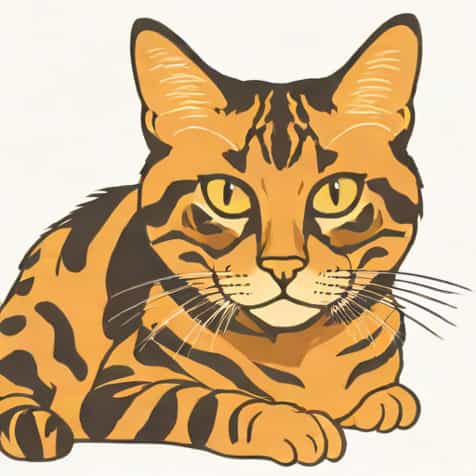
Tortoiseshell cats are beloved for their unique and striking coat patterns, which typically feature a mix of black, orange, and sometimes white. If you are a cat owner wondering what breed your tortoiseshell cat might be, taking a quiz or exploring their physical traits can be an engaging way to gain insight. While tortoiseshell refers to a coat color rather than a specific breed, many breeds can have this beautiful pattern. Understanding the characteristics, personality traits, and common breeds associated with tortoiseshell cats can help cat owners make informed guesses about their cat’s breed and provide better care for their feline companions.
Understanding Tortoiseshell Cats
Tortoiseshell cats, often affectionately called torties, are known for their mottled coats that combine two or more colors. The pattern is typically a mix of black and orange, sometimes interspersed with white patches, giving each cat a unique appearance. Tortoiseshell cats are almost always female due to the genetics of coat color inheritance, making them rare and highly prized among cat lovers. Understanding that the tortoiseshell pattern is about color rather than breed is the first step in identifying what breed your cat might be.
Genetics of Tortoiseshell Coloring
The tortoiseshell pattern results from a genetic phenomenon related to the X chromosome. Female cats have two X chromosomes, which allows for the expression of both black and orange colors in their coats. Male tortoiseshell cats are extremely rare and usually have genetic anomalies. This unique coloring makes tortoiseshell cats stand out, but it does not indicate a specific breed. Instead, many different cat breeds can display tortoiseshell coats, including both purebred and domestic shorthair or longhair cats.
Common Breeds That Can Have Tortoiseshell Coats
Although the tortoiseshell pattern is not breed-specific, certain cat breeds are more commonly associated with it. Identifying your cat’s breed involves looking at physical traits, size, fur length, and personality. Some common breeds that can have tortoiseshell coloring include
- Domestic ShorthairThese cats are the most common breed with tortoiseshell patterns. They are known for their varied appearances and friendly, adaptable personalities.
- Domestic LonghairSimilar to shorthairs but with longer fur, domestic longhairs can have tortoiseshell coats that create a more luxurious and fluffy appearance.
- British ShorthairThis breed is known for its stocky build and round face, and some British Shorthairs display tortoiseshell coloring.
- Persian CatsPersian tortoiseshell cats have long, soft coats and a calm, gentle demeanor, making them ideal companions for quieter households.
- American ShorthairThis breed is known for its muscular build and adaptability, and tortoiseshell patterns can appear in their varied color range.
Using a Quiz to Identify Your Tortoiseshell Cat’s Breed
Quizzes designed to help cat owners identify their cat’s breed can be a fun and educational tool. While they cannot provide a definitive answer, they can narrow down possibilities based on your cat’s physical characteristics and personality traits. These quizzes typically ask questions about coat length, body size, ear shape, eye color, and behavioral tendencies, which can indicate potential breeds. By answering honestly and carefully observing your cat, you can get a better idea of what breed or mix your tortoiseshell cat might belong to.
Steps to Take a Breed Quiz
Follow these steps to make the most of a What breed is my tortoiseshell cat? quiz
- Observe your cat’s physical traits, including coat length, body shape, and facial features.
- Take note of your cat’s behavior and personality traits, such as playfulness, affection level, and activity patterns.
- Answer quiz questions accurately, providing details about your cat’s size, fur type, and markings.
- Review the results carefully, keeping in mind that many tortoiseshell cats are mixed breed, and quizzes can only suggest possible breeds.
Other Methods to Identify Your Cat’s Breed
In addition to quizzes, there are other ways to gain insights into your tortoiseshell cat’s breed. Combining these methods can provide a clearer picture
Visual Comparison
Compare your cat’s appearance with breed standards available in cat breed guides or websites. Look for distinctive traits such as body size, head shape, ear position, and tail length. These visual cues can often suggest whether your tortoiseshell cat has traits of a specific breed or is a mix.
Genetic Testing
DNA testing is a modern and accurate way to identify a cat’s breed. By sending a small sample, usually a cheek swab, to a reputable testing company, you can receive a detailed report showing your cat’s genetic makeup, breed percentages, and even potential health predispositions. This method is particularly useful if you want a definitive answer about your tortoiseshell cat’s breed.
Consult a Veterinarian or Breed Expert
Veterinarians and feline breed experts can provide professional insights based on physical examination and knowledge of breed characteristics. While they may not always give a definitive answer, their guidance can help narrow down likely breeds or mixes based on experience and observation.
Why Knowing Your Cat’s Breed Matters
Understanding your tortoiseshell cat’s breed can help in multiple ways. It can inform you about potential health concerns, expected behavior, and care requirements. Certain breeds may have predispositions to specific medical conditions, dietary needs, or exercise requirements. Additionally, knowing your cat’s breed can help you understand and appreciate its personality traits, making it easier to provide appropriate enrichment, training, and socialization.
Health Considerations
Different breeds may have specific health risks, and identifying your cat’s breed can guide preventive care. For example, long-haired breeds may require regular grooming to prevent matting, while certain purebreds may need regular check-ups for hereditary conditions.
Behavior and Personality Insights
Breed characteristics often influence behavior. Understanding your tortoiseshell cat’s potential breed can help explain traits such as energy levels, sociability, playfulness, and vocal tendencies. This information is valuable for creating a harmonious home environment and meeting your cat’s emotional and physical needs.
Identifying what breed your tortoiseshell cat might be can be both fun and informative. While tortoiseshell refers to a coat color rather than a breed, many breeds and mixes can carry this beautiful pattern. Quizzes are a convenient starting point to explore possibilities, especially when combined with visual comparison, genetic testing, and professional consultation. Knowing your cat’s breed can help you provide better care, anticipate health needs, and understand your cat’s personality more deeply. Whether your tortoiseshell cat is a purebred or a charming mixed breed, embracing its unique traits will strengthen your bond and enhance the joy of being a cat owner.