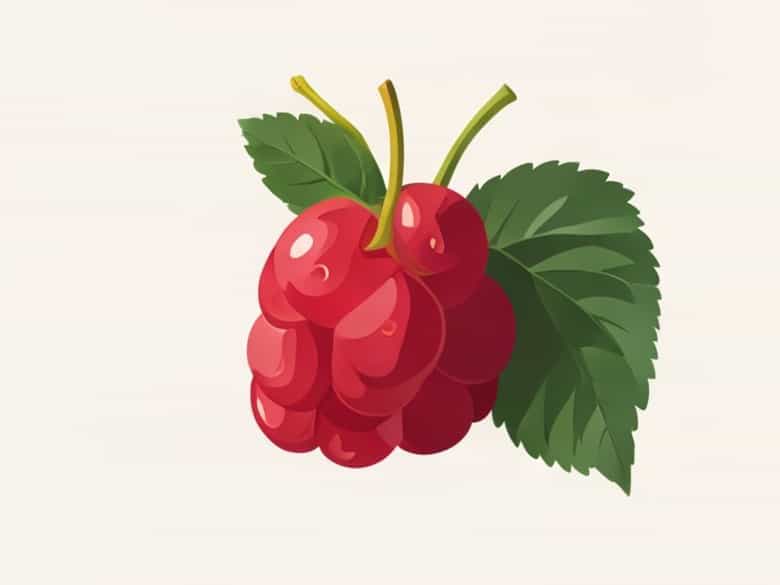
Loganberries are an intriguing and visually striking fruit that often capture attention in gardens and farmers’ markets. When trying to understand what a loganberry looks like, it is important to consider its size, color, shape, and texture. Loganberries are a hybrid fruit, a cross between a blackberry and a raspberry, which gives them unique physical characteristics that combine traits from both parent fruits. They have become popular not only for their distinct taste but also for their ornamental appeal and nutritional value. Observing a loganberry closely reveals its deep red to maroon hue, elongated shape, and slightly glossy surface, which can help distinguish it from other berries.
Overview of Loganberries
Loganberries were first cultivated in the late 19th century by Judge James Harvey Logan in California, who developed this hybrid by crossing a blackberry with a raspberry. The resulting fruit inherited traits from both parents, producing a berry that is tart, juicy, and visually appealing. Loganberries grow on thorny bushes, similar to blackberries, and they thrive in temperate climates. Their appearance reflects their hybrid origin, as they combine characteristics of both blackberries and red raspberries.
Physical Appearance of Loganberries
Understanding what a loganberry looks like involves examining its size, shape, and color. These aspects make it relatively easy to identify compared to other berries such as raspberries or blackberries.
Size and Shape
Loganberries are generally medium-sized berries, slightly larger than red raspberries but smaller than typical blackberries. They are elongated or oval-shaped, tapering slightly at the ends. The structure of the berry is composed of multiple small drupelets clustered tightly together, giving it a bumpy texture. This segmented appearance is a hallmark of aggregate fruits like loganberries, distinguishing them from single-seeded fruits.
Color
The color of a loganberry is one of its most striking features. Unlike blackberries, which are dark purple or black, loganberries have a rich red to deep maroon hue. When fully ripe, the berries exhibit a glossy sheen, indicating their juiciness. The intense color not only makes them visually appealing but also signals their high antioxidant content, similar to other dark red and purple fruits.
Texture
Loganberries have a firm yet juicy texture. The drupelets are delicate and can easily separate from the core when handled, similar to raspberries. The exterior is smooth with tiny seeds embedded within each drupelet, providing a slightly gritty sensation when eaten. The combination of firmness and juiciness makes loganberries ideal for fresh consumption, as well as for jams, jellies, and baked goods.
Comparison with Other Berries
Loganberries can sometimes be confused with similar berries, but certain visual traits help distinguish them.
Loganberries vs Raspberries
- Raspberries are generally smaller and brighter red compared to the darker, maroon-toned loganberries.
- Raspberries have a hollow core when picked, whereas loganberries are more solid and elongated.
- The taste of loganberries is more tart and complex than the sweeter flavor of raspberries.
Loganberries vs Blackberries
- Blackberries are usually larger and completely dark purple or black when ripe, while loganberries retain a red-maroon color.
- Blackberries have a glossy but darker surface, and the shape is more rounded than the slightly elongated loganberry.
- Loganberries are often more acidic, whereas blackberries tend to be sweeter when fully ripe.
Growth and Development
Loganberries grow on perennial bushes with thorny stems. The berries develop in clusters along the canes, which arch over and produce fruit in summer or early fall, depending on the climate. Flowers appear in spring, and the fruit gradually changes color as it ripens, starting green, turning red, and finally deepening to maroon. Observing these color stages can help determine the optimal time for harvesting. The overall size and color of the berry are influenced by sunlight, soil fertility, and water availability, which means that loganberries from different regions may show slight variations in appearance.
Leaves and Stems
The leaves of a loganberry bush are dark green and serrated, with three to five leaflets per leaf. The stems are woody and can be slightly thorny, resembling blackberry canes. The combination of dark red berries and green foliage creates an attractive contrast, which is one reason loganberries are sometimes grown ornamentally in gardens.
Uses and Culinary Appeal
Loganberries are not only visually appealing but also versatile in culinary uses. Their bright color makes them an attractive ingredient in desserts, preserves, sauces, and beverages. The shape and texture of the berries allow them to hold up well during cooking, maintaining their appearance while releasing flavorful juice. Loganberries are often compared to blackberries and raspberries in recipes but provide a unique tartness that enhances jams, pies, and fruit salads. Their appearance-deep red, glossy, and elongated-adds a visual element that complements their taste.
Nutritional Value
The color of loganberries is indicative of their nutritional benefits. Rich in antioxidants, vitamins, and dietary fiber, loganberries contribute to a healthy diet. Their deep maroon-red hue suggests high levels of anthocyanins, which have been linked to various health benefits, including reducing inflammation and supporting heart health. Eating loganberries fresh or incorporating them into recipes allows people to enjoy both their flavor and nutritional value.
Harvesting and Selection
When selecting loganberries, visual inspection is key. Ripe berries are firm yet juicy, fully colored in maroon, and free from mold or damage. The size should be consistent, and the surface should have a glossy finish. Unripe berries will be lighter red and less flavorful, while overripe berries may appear soft or shriveled. Proper identification based on appearance ensures the best taste and texture for culinary use or fresh consumption.
In summary, loganberries are distinctive fruits with a unique appearance that reflects their hybrid nature, combining traits from blackberries and raspberries. They are medium-sized, elongated, and composed of multiple drupelets. Their deep red to maroon color, glossy surface, and firm yet juicy texture make them easily recognizable and appealing both visually and gastronomically. Loganberries grow on thorny bushes with green serrated leaves, producing clusters of berries in summer or early fall. Their visual traits, combined with tart flavor and nutritional benefits, make them a favorite among gardeners, cooks, and fruit enthusiasts. By understanding what a loganberry looks like, individuals can confidently identify, harvest, and use this remarkable fruit in a variety of culinary and decorative applications.