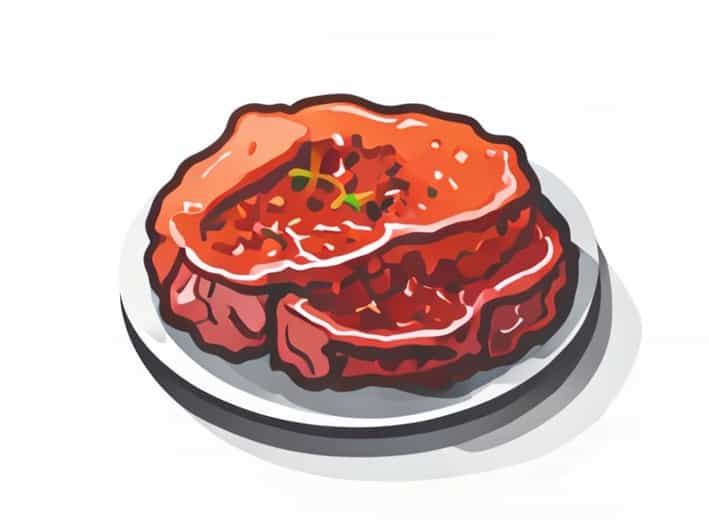
When people talk about slow cooking techniques in the kitchen, one common question often arises what does it mean to braise meat? Braising is a classic cooking method known for transforming tough cuts of meat into tender, flavorful dishes through gentle heat and moisture. It is a favorite technique in many cuisines around the world because it emphasizes patience, rich flavor development, and comfort-food quality. Understanding how braising works helps home cooks create satisfying meals while appreciating the science and tradition behind the process.
Understanding What It Means to Braise Meat
To braise meat means to cook it slowly using a combination of dry heat and moist heat. The process usually begins with searing or browning the meat in a pan to develop flavor through caramelization. After browning, liquid such as broth, wine, or water is added, and the meat is cooked at a low temperature for an extended period of time. This slow and gentle cooking method helps break down tough connective tissues and results in tender, juicy meat.
The Two-Stage Cooking Process
Braising is different from boiling or roasting because it blends two techniques into one. First, the meat is browned over high heat to build flavor and color. Then, it is partially submerged in liquid and covered, allowing steam and moisture to circulate. This creates a controlled cooking environment that encourages tenderness and depth of taste.
- Initial browning adds complexity and savory notes.
- Moist heat gently breaks down fibers in the meat.
- The covered pot traps flavors and prevents drying.
- Slow cooking allows seasoning and aromatics to blend.
Why Braising Works Especially Well for Tough Cuts
Braising is especially suited for cuts of meat that are naturally tougher due to higher levels of connective tissue. Instead of avoiding these cuts, braising turns them into flavorful and satisfying dishes. The long cooking time softens collagen, converting it into gelatin, which gives the meat a silky texture and enhances the sauce.
Common Cuts Used for Braising
Some of the most successful braised dishes use cuts from hardworking muscles of the animal. These cuts may not be tender when cooked quickly, but they shine when cooked slowly with moisture.
- Beef chuck, brisket, or short ribs
- Pork shoulder or pork belly
- Lamb shanks and shoulder cuts
- Chicken thighs and drumsticks
These cuts are typically more affordable, making braising a budget-friendly cooking method that delivers luxurious results.
The Role of Liquid and Aromatics in Braising
Liquid plays a key role in braising because it transfers heat gently and helps keep the meat moist. However, the meat is not fully submerged like in stewing. Instead, only part of the meat sits in the liquid, while steam circulates to cook the rest. The choice of liquid can greatly influence the final flavor of the dish.
Types of Liquids Commonly Used
Cooks can experiment with different liquids depending on the style of dish and desired flavor profile.
- Beef or chicken stock for savory depth
- Wine for richness and acidity
- Beer for earthiness and complexity
- Tomato-based liquids for bold flavor
Aromatics such as onions, garlic, herbs, and spices are often added to the pot. As the meat cooks, these ingredients release their flavors, infusing both the liquid and the meat.
Temperature and Timing in the Braising Process
A key element of braising meat is patience. The method relies on low and slow cooking, typically at a temperature just below boiling. This allows time for collagen and muscle fibers to soften without becoming tough or stringy.
Slow Cooking Creates Tender Results
Cooking too quickly can cause meat to dry out or become chewy. By maintaining a low temperature, the braising process promotes tenderness and allows flavors to develop naturally over time.
- Typical oven temperatures range from 275°F to 325°F (135°C to 165°C).
- Cooking times may vary from one to several hours.
- The meat is done when it becomes fork-tender.
- Resting time allows juices to redistribute.
Proper timing is essential, and many braised dishes taste even better the next day after the flavors continue to meld.
Braising Versus Other Cooking Methods
Understanding what it means to braise meat also involves recognizing how it differs from other techniques. Braising is not the same as boiling, roasting, or frying. Each method produces different textures and flavors.
Comparison With Other Cooking Techniques
- Boilingfully submerges meat in liquid and often lacks browning flavor.
- Roastinguses dry heat and may dry out tough cuts if not prepared properly.
- Stewingsubmerges meat completely and results in smaller pieces of protein.
- Braisingcombines browning with partial liquid cooking for tenderness and flavor.
This hybrid approach gives braising its reputation for rich, hearty dishes with deep savory character.
Popular Dishes That Use Braising
Many traditional comfort foods around the world rely on braising because the method creates flavorful sauces and melt-in-the-mouth textures. Different cultures incorporate spices, vegetables, and seasonings to produce unique variations of braised meat dishes.
Examples of Well-Known Braised Meals
- Beef pot roast with vegetables
- Braised short ribs with red wine sauce
- Pork shoulder for pulled pork
- Coq au vin made with chicken and wine
- Lamb shanks slow-cooked with herbs and broth
These dishes highlight how braising can adapt to many styles while maintaining its core technique.
Benefits of Braising Meat at Home
Braising is not only flavorful but also practical for everyday cooking. It allows home cooks to make use of inexpensive cuts of meat and transform them into impressive meals. The method also produces dishes that are hearty, comforting, and ideal for family gatherings or meal prepping.
Reasons Many Cooks Enjoy Braising
- Enhances tough cuts of meat without requiring special equipment
- Creates deeply flavored sauces naturally
- Works well for batch cooking and leftovers
- Encourages creativity with spices, herbs, and liquids
Another benefit is the forgiving nature of braising. As long as low heat and patience are maintained, the results are usually tender and satisfying.
The Essence of Braising as a Culinary Tradition
Understanding what it means to braise meat reveals more than just a cooking method – it reflects a philosophy of slow, intentional preparation. Braising honors time, resourcefulness, and the ability to create comfort and nourishment from humble ingredients. Whether preparing a rustic family meal or experimenting with new recipes, braising offers a reliable way to unlock flavor, tenderness, and culinary satisfaction.