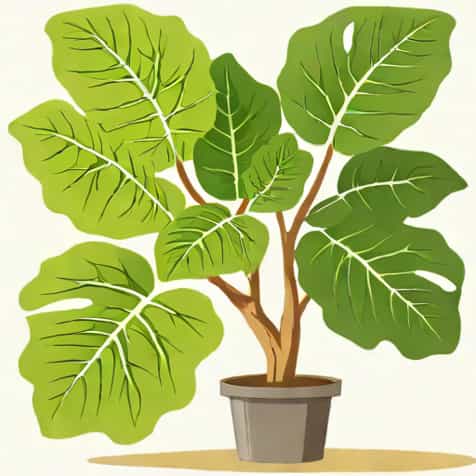
Indoor plants have become an essential part of modern home decor, offering not only aesthetic appeal but also benefits like improved air quality and a calming atmosphere. Among the many popular houseplants, the fiddle leaf fig has emerged as a favorite for interior design enthusiasts and plant lovers alike. Its large, glossy leaves and upright growth habit make it a striking addition to living spaces, offices, and even commercial interiors. Understanding what a fiddle leaf fig is, how to care for it, and how to incorporate it into your home can help you make the most of this beautiful plant.
What is a Fiddle Leaf Fig?
The fiddle leaf fig, scientifically known asFicus lyrata, is a tropical evergreen tree native to the rainforests of West Africa. It belongs to the fig family, Moraceae, and is known for its distinctive large, violin-shaped leaves that can grow up to 18 inches long. These glossy, dark green leaves grow along a central trunk, creating a dramatic and sculptural appearance that has made the plant extremely popular in home decor. In its natural habitat, the fiddle leaf fig can reach heights of up to 40-50 feet, but as a houseplant, it is usually kept between 3 to 6 feet tall, making it manageable for indoor spaces.
Origin and Popularity
Originally from tropical West Africa, the fiddle leaf fig was introduced to the United States and Europe in the late 19th and early 20th centuries. Its popularity has surged in recent years due to its aesthetic appeal and ability to complement various interior design styles, from modern minimalism to bohemian chic. Interior designers often use the fiddle leaf fig as a statement piece because of its striking foliage and ability to fill vertical space, adding both height and greenery to rooms.
Key Features of a Fiddle Leaf Fig
Several characteristics make the fiddle leaf fig a distinctive and desirable houseplant
- Large, glossy leavesThe violin-shaped leaves are bold, deep green, and have a slightly leathery texture.
- Upright growth habitThe plant grows vertically, making it ideal for corner spaces and areas that need height.
- Slow to moderate growthFiddle leaf figs grow slowly indoors, which makes them manageable but requires patience.
- Air-purifying propertiesLike many Ficus species, it can help improve indoor air quality.
Care Requirements for a Fiddle Leaf Fig
To keep a fiddle leaf fig healthy and thriving, it’s important to understand its care needs. This includes attention to light, water, humidity, soil, and occasional pruning.
Light
Fiddle leaf figs require bright, indirect light to thrive. They can tolerate some direct sunlight, but too much can scorch the leaves, while too little light can lead to slow growth and leaf drop. Placing the plant near an east- or west-facing window is ideal, and rotating the plant occasionally ensures even light exposure on all sides.
Watering
Overwatering is a common mistake that can lead to root rot, while underwatering can cause leaves to brown and curl. It’s best to water the plant when the top inch of soil feels dry to the touch. Using a well-draining potting mix and a container with drainage holes helps prevent water from pooling at the roots.
Humidity and Temperature
Fiddle leaf figs prefer a humid environment, similar to their tropical origins. Indoor humidity levels of around 40-60% are ideal. If your home is dry, using a humidifier or misting the leaves occasionally can help. Temperature-wise, the plant thrives in consistent warmth, ideally between 60-75°F, and should be kept away from drafts, heating vents, or sudden temperature fluctuations.
Soil and Fertilizer
Using a well-draining potting mix is essential for preventing waterlogged roots. A mix designed for indoor tropical plants works well. During the growing season, typically spring and summer, a balanced liquid fertilizer can be applied every 4-6 weeks to support healthy leaf and root growth. Fertilizing is usually reduced or stopped in the fall and winter when the plant’s growth slows.
Pruning and Maintenance
Pruning helps control the size and shape of the fiddle leaf fig, encouraging new growth and maintaining a bushy appearance. Removing damaged or yellowing leaves also keeps the plant healthy. Additionally, wiping the leaves with a damp cloth removes dust, improves photosynthesis, and keeps the foliage glossy.
Common Issues and Solutions
While fiddle leaf figs are relatively resilient, they can encounter common issues
- Leaf dropOften caused by sudden changes in environment, overwatering, or insufficient light.
- Brown spotsMay result from overwatering, fungal infections, or pest infestations.
- Leggy growthOccurs when the plant does not receive enough light, leading to sparse foliage.
- PestsAphids, spider mites, and mealybugs can occasionally infest the leaves; regular inspection and gentle cleaning help prevent infestations.
Uses in Home Decor
The fiddle leaf fig has become a symbol of stylish interior spaces due to its aesthetic appeal. It can be used in a variety of ways
- Statement plantA tall fiddle leaf fig can fill empty corners and add height to a room.
- Complementing modern decorIts bold leaves contrast well with minimalist furnishings.
- Indoor jungle effectGrouping multiple plants together, including fiddle leaf figs, creates a lush, tropical vibe.
- Office environmentsAdds a touch of greenery and helps improve air quality in workspaces.
In summary, a fiddle leaf fig is a popular indoor plant known for its large, violin-shaped leaves and upright growth. Native to tropical West Africa, it has become a staple in modern interior design for its dramatic visual impact and air-purifying qualities. Proper care, including attention to light, water, humidity, and soil, is essential to ensure the plant thrives. While it can present some challenges, such as susceptibility to leaf drop or pests, its aesthetic and environmental benefits make it a worthwhile addition to any home or office. By understanding the features, care requirements, and common issues of a fiddle leaf fig, plant enthusiasts can enjoy a healthy, thriving plant that adds beauty, elegance, and a touch of nature to indoor spaces.