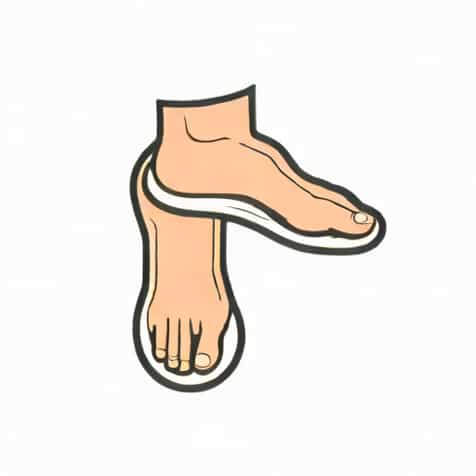
Forefoot strike is a running technique where the front part of the foot-the ball and toes-makes initial contact with the ground instead of the heel. This type of foot strike has gained popularity among runners seeking to improve speed, reduce impact on joints, and enhance overall running efficiency. Understanding what a forefoot strike entails, its biomechanics, advantages, risks, and proper training methods is crucial for anyone interested in adopting this running style. It is not just a minor adjustment in foot placement but a significant shift in running mechanics that affects stride, posture, and muscle engagement.
Understanding Forefoot Strike
In a forefoot strike, the runner lands on the ball of the foot first, allowing the heel to touch the ground lightly or not at all. This contrasts with a heel strike, where the heel is the first point of contact, and a midfoot strike, which involves the middle portion of the foot landing first. Forefoot striking engages the calf muscles, Achilles tendon, and the muscles in the foot more actively, providing a spring-like effect that can enhance propulsion and running efficiency.
Biomechanics of Forefoot Strike
- Initial ContactThe ball of the foot lands first, absorbing the initial impact.
- Weight DistributionThe weight shifts smoothly from the forefoot to the midfoot and heel if needed.
- Knee FlexionThe knees remain slightly bent to absorb shock and maintain stability.
- Engaged MusclesCalves, Achilles tendon, and foot arches are actively engaged to store and release energy during push-off.
- Stride AdjustmentForefoot strikers often have a shorter, quicker stride compared to heel strikers, reducing braking forces and promoting forward momentum.
Advantages of Forefoot Strike
Adopting a forefoot strike can offer several benefits for runners, particularly in terms of efficiency, performance, and injury prevention.
1. Reduced Joint Impact
Landing on the forefoot reduces the shock that travels through the knees and hips, potentially lowering the risk of joint-related injuries commonly seen in heel strikers. The natural flexion of the ankle and calf muscles absorbs impact more efficiently.
2. Improved Running Economy
Forefoot striking allows runners to store elastic energy in the Achilles tendon and calf muscles, which is then released during the push-off phase. This energy transfer can lead to more efficient running mechanics and less overall fatigue.
3. Enhanced Speed and Agility
By engaging the forefoot and calves more actively, runners can generate quicker strides and a more responsive push-off, improving sprinting ability and agility during running.
4. Encourages Proper Posture
Forefoot strike often promotes a slightly forward-leaning posture, aligning the body to reduce braking forces and encourage smoother, more natural movement. This posture helps maintain balance and stability.
Potential Risks and Considerations
While forefoot strike offers many advantages, it also comes with potential risks, especially if adopted without proper training or gradual adjustment.
1. Calf and Achilles Strain
Switching to a forefoot strike increases the workload on the calf muscles and Achilles tendon, which may lead to soreness, strains, or tendonitis if not properly conditioned.
2. Foot Injuries
Runners may experience metatarsal stress fractures, plantar fasciitis, or other foot injuries due to the increased pressure on the forefoot. Proper footwear and gradual transition are essential to prevent these injuries.
3. Adaptation Period
Transitioning from heel striking to forefoot striking requires a period of adjustment. Runners should start with short distances and slowly increase mileage to allow muscles, tendons, and ligaments to adapt.
Techniques to Adopt a Forefoot Strike
Implementing a forefoot strike requires attention to form, footwear, and gradual training adjustments. The following techniques can help runners transition safely and effectively.
- Shorten Your StrideOverstriding can increase impact and reduce the benefits of a forefoot strike. Focus on landing under your center of gravity.
- Engage Your CoreA strong core helps maintain balance and stability, reducing the risk of injury during the transition.
- Use Appropriate FootwearMinimalist or low-drop running shoes can facilitate forefoot striking by reducing heel cushioning and encouraging natural foot placement.
- Gradual TransitionStart with short runs using forefoot strike and gradually increase distance as muscles and tendons adapt.
- Strengthening ExercisesIncorporate calf raises, foot arch exercises, and ankle strengthening to support the increased demands on the lower legs and feet.
Forefoot Strike in Different Running Disciplines
Forefoot striking is utilized differently depending on the type of running activity, from sprinting to long-distance running.
Sprinting
Sprint runners often naturally adopt a forefoot strike because it allows rapid turnover and explosive push-off, maximizing speed and efficiency over short distances.
Distance Running
Long-distance runners may also use forefoot strike, although many combine midfoot and forefoot landing to balance energy efficiency and reduce fatigue. Proper training is crucial to avoid overuse injuries in longer runs.
Trail Running
In trail running, forefoot striking can help maintain balance and adaptability on uneven terrain, improving traction and stability.
A forefoot strike is a running technique where the front part of the foot makes initial contact with the ground, promoting improved efficiency, speed, and reduced joint impact. While it offers significant advantages for runners, proper training, gradual adaptation, and strengthening exercises are essential to prevent injuries and ensure optimal performance. Understanding the biomechanics, benefits, and risks of forefoot striking allows runners to make informed choices about their running form and improve overall endurance, agility, and safety during running activities.