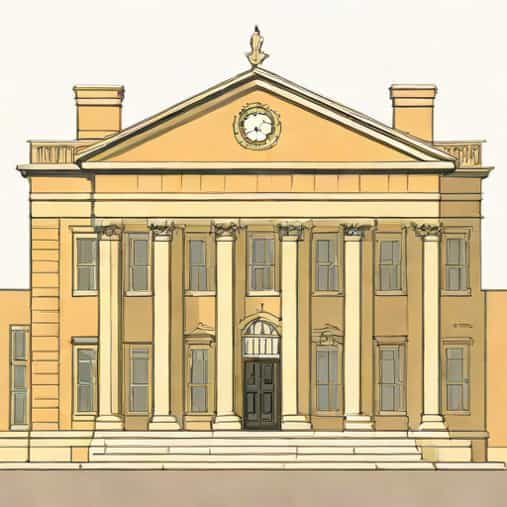
In the United Kingdom, the term Grade 2 listed building is commonly used when discussing historic preservation and architectural heritage. These buildings are recognized for their special architectural or historic interest, and they are legally protected to ensure their conservation. Understanding what a Grade 2 listed building is involves exploring the listing system, the responsibilities of owners, the types of properties that qualify, and the implications for renovation or modification. For anyone interested in British history, architecture, or property investment, knowing the meaning and significance of a Grade 2 listing is essential.
What Does Listing Mean?
Listing is a legal process in the UK that identifies buildings of special historical or architectural significance. It is administered by government bodies such as Historic England in England, Historic Environment Scotland in Scotland, and Cadw in Wales. Once a building is listed, it receives protection under the Planning (Listed Buildings and Conservation Areas) Act 1990. This ensures that its character and important features are preserved, and any alterations or repairs are carefully regulated. Listing does not prevent buildings from being used or occupied, but it does mean that changes require formal approval.
Purpose of Listing
- To preserve buildings of historical or architectural significance.
- To protect the cultural heritage of the nation.
- To ensure any modifications or repairs respect the building’s character.
- To educate the public about historic architecture and design.
Grade 2 Listing Explained
In the UK, listed buildings are categorized into three main grades Grade 1, Grade 2*, and Grade 2. Grade 2 is the most common designation and covers buildings of special interest. While Grade 1 buildings are considered of exceptional interest and Grade 2* buildings are particularly important with more than special interest, Grade 2 buildings are recognized for their significant contribution to the country’s architectural or historic heritage. They represent around 92% of all listed buildings in England, indicating that the majority of protected structures fall into this category.
Characteristics of Grade 2 Buildings
- Buildings of national or regional architectural interest.
- Structures that exemplify typical historic building techniques.
- Properties with historical associations, such as connections to notable people or events.
- Buildings that retain a high proportion of their original features and materials.
Legal Implications of a Grade 2 Listing
Owning a Grade 2 listed building comes with specific legal responsibilities. Any work that affects the building’s character, both inside and outside, generally requires listed building consent from the local planning authority. This includes alterations, extensions, repairs, or demolition. Unauthorized changes can lead to legal penalties, including fines or restoration orders. The aim is to ensure that the historical and architectural value of the building is not compromised by modern modifications.
Responsibilities of Owners
- Obtain listed building consent for alterations or repairs.
- Maintain the building to prevent deterioration.
- Use appropriate materials and techniques when carrying out repairs.
- Respect the historic character and architectural features of the property.
Examples of Grade 2 Listed Buildings
Grade 2 listed buildings encompass a wide variety of structures, ranging from residential homes to public buildings, monuments, and industrial sites. Examples include Victorian houses, Georgian townhouses, old schools, bridges, and historic shops. These buildings may have aesthetic value, technical innovation, or historical significance due to events or figures associated with them. Their diversity highlights the range of architectural and historical heritage that the UK aims to preserve.
Residential Buildings
Many Grade 2 listings are private homes, particularly those from the Georgian, Victorian, or Edwardian periods. These houses may feature original fireplaces, windows, staircases, or decorative plasterwork that contribute to their historical importance.
Public and Community Buildings
Examples include old libraries, churches, town halls, and schools. Even though they may still serve their original purpose, their listing ensures that any modernisation preserves the building’s character.
Industrial and Commercial Buildings
Grade 2 listings also cover former factories, mills, warehouses, and shops that demonstrate historical industrial techniques or contribute to the story of local commerce.
Benefits of Owning a Grade 2 Listed Building
Owning a Grade 2 listed building comes with several advantages. In addition to preserving a piece of history, these properties often have aesthetic appeal and character that modern buildings cannot replicate. Listed buildings can increase in value over time due to their historic significance. Additionally, owners may be eligible for grants or financial support to help maintain and repair their properties, particularly when using traditional materials and techniques.
Heritage and Aesthetic Value
- Architectural features such as original doors, windows, and moldings.
- Historic character that provides a sense of place and continuity.
- Unique design elements that differentiate them from modern buildings.
Financial and Cultural Benefits
- Potential increase in property value over time.
- Eligibility for grants for conservation and restoration work.
- Contribution to the preservation of national heritage.
Challenges of Owning a Grade 2 Listed Building
Despite their appeal, Grade 2 listed buildings can present challenges. Maintenance costs may be higher due to the need for specialist materials and skilled labor. Obtaining consent for modifications can be time-consuming, and restrictions may limit the owner’s flexibility in adapting the property. However, for many owners, these challenges are outweighed by the satisfaction of preserving an important piece of the nation’s history.
Common Challenges
- Higher costs for repairs and maintenance.
- Restrictions on alterations and extensions.
- Need for specialist contractors with knowledge of traditional techniques.
- Potential delays in planning permission and consent processes.
a Grade 2 listed building in the UK is a property recognized for its special architectural or historic interest. It represents the majority of listed buildings in the country and includes a wide variety of structures, from homes to public and industrial buildings. Listing ensures that these buildings are protected and maintained, preserving the nation’s heritage for future generations. While ownership comes with legal responsibilities and potential challenges, it also offers significant cultural, aesthetic, and financial benefits. Understanding the meaning and implications of a Grade 2 listed building is essential for homeowners, investors, and anyone interested in historic preservation or British architectural heritage.