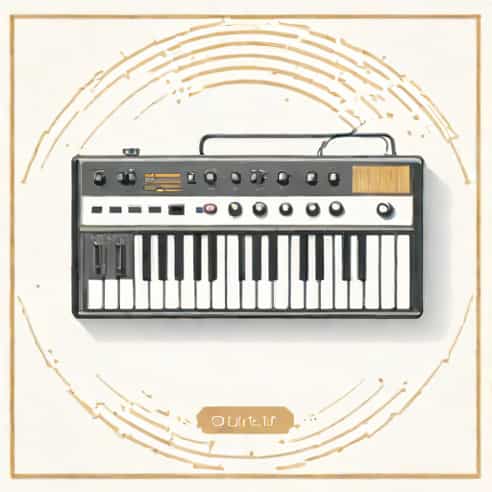
A polyphonic synthesizer is an electronic musical instrument capable of producing multiple notes simultaneously, allowing musicians to create rich, layered sounds that mimic real instruments or produce entirely new tones. Unlike monophonic synthesizers, which can only play one note at a time, polyphonic synthesizers give performers the freedom to play chords, harmonies, and complex arrangements, greatly expanding the creative possibilities in music composition and performance. These instruments have played a significant role in the development of modern music, appearing in genres ranging from classical electronic compositions to rock, pop, jazz, and experimental music. Understanding a polyphonic synthesizer involves exploring its technology, features, historical development, and impact on the music industry.
Definition and Core Features
A polyphonic synthesizer is defined by its ability to generate multiple independent voices or tones at the same time. Each voice can have its own sound parameters, such as pitch, timbre, and modulation, allowing musicians to create complex textures. Core features typically include oscillators, filters, envelopes, and modulators, which work together to shape and control the sound. Some polyphonic synthesizers also offer digital controls, MIDI connectivity, and memory presets for storing sounds and recalling them quickly during performance or recording sessions.
Oscillators and Sound Generation
Oscillators are the heart of a polyphonic synthesizer, producing the raw sound waveforms that form the basis of each note. Common waveforms include sine, square, sawtooth, and triangle waves, each with distinct sonic characteristics. In a polyphonic synthesizer, multiple oscillators can operate simultaneously to generate rich and layered sounds. Some models allow for detuning or slightly altering oscillators to create thicker, more vibrant tones. The ability to control multiple oscillators independently is a key advantage of polyphonic instruments over monophonic ones.
Filters, Envelopes, and Modulation
Filters, envelopes, and modulators allow musicians to sculpt the raw sounds generated by oscillators into expressive musical tones. Filters remove or emphasize certain frequencies, shaping the timbre of each note. Envelopes control how a sound evolves over time, defining its attack, decay, sustain, and release (ADSR). Modulators, such as low-frequency oscillators (LFOs), introduce variations in pitch, volume, or filter parameters, adding movement and complexity to the sound. Together, these elements enable a polyphonic synthesizer to produce dynamic and expressive performances that would be difficult to achieve with acoustic instruments alone.
Historical Development
The development of polyphonic synthesizers revolutionized the music industry. Early electronic instruments in the 1960s, such as the Moog synthesizer, were largely monophonic, limiting the ability to play chords. The first commercially successful polyphonic synthesizers appeared in the 1970s, including models from ARP, Roland, and Yamaha. These instruments incorporated advanced technologies such as voltage-controlled oscillators and filters, enabling multiple notes to be played simultaneously. The evolution continued with the introduction of digital polyphonic synthesizers in the 1980s, allowing for more voices, complex sound design, and integration with MIDI systems for sequencing and recording.
Applications in Music
Polyphonic synthesizers have had a profound impact on various music genres. Their ability to produce lush harmonies and complex textures makes them popular in pop, rock, electronic, and experimental music. They are often used for chordal accompaniments, pads, leads, and bass lines. In studio production, polyphonic synthesizers provide musicians and producers with the flexibility to layer sounds and create intricate arrangements. Live performers also rely on these instruments to reproduce studio-quality sounds on stage, giving concerts a rich and immersive auditory experience.
Types of Polyphonic Synthesizers
Polyphonic synthesizers can be categorized based on their technology and design
- Analog Polyphonic SynthesizersUse analog circuitry to generate sound waves and modulate audio signals. Known for their warm, rich tones and tactile controls.
- Digital Polyphonic SynthesizersEmploy digital signal processing to create sounds, offering a wide range of timbres, higher polyphony counts, and memory presets.
- Hybrid SynthesizersCombine analog oscillators with digital processing, blending the warmth of analog sound with the flexibility of digital features.
- Software SynthesizersDigital programs that emulate polyphonic synthesizers, offering high polyphony and extensive sound design options within computers and DAWs.
Polyphony and Voice Allocation
Polyphony refers to the maximum number of notes a synthesizer can play simultaneously. Older analog synthesizers might have 4 to 8 voices, whereas modern digital synths can provide 64, 128, or even unlimited voices. Voice allocation is the process by which the synthesizer assigns notes to available voices. Advanced synthesizers feature intelligent voice management, allowing for smooth performance even in complex arrangements. Understanding polyphony and voice allocation is crucial for maximizing the potential of a polyphonic synthesizer in both live and studio settings.
Impact on Music Production
Polyphonic synthesizers have reshaped music production by enabling composers and producers to experiment with sound design, layering, and harmonization. They allow the creation of sounds that are difficult or impossible to achieve with acoustic instruments alone. In electronic music, polyphonic synthesizers have been fundamental in defining the genre’s sound, providing deep pads, vibrant leads, and complex textures. Even in traditional music, these instruments have been used to add richness and depth to arrangements, influencing modern orchestration and composition techniques.
Famous Polyphonic Synthesizers
Several polyphonic synthesizers have become iconic in the music industry due to their sound quality, innovation, and influence
- Yamaha CS-80Known for its expressive control and rich analog sounds, popularized in film scores.
- Roland Jupiter-8Celebrated for its lush analog tones and versatility in live and studio settings.
- Prophet-5One of the first programmable polyphonic synthesizers, influential in pop and electronic music.
- Korg PolysixAffordable polyphonic analog synthesizer known for its warm sound and built-in effects.
A polyphonic synthesizer is a powerful tool that has revolutionized music creation and performance. Its ability to play multiple notes simultaneously, combined with advanced sound design capabilities, makes it an indispensable instrument for musicians, producers, and composers. From early analog models to modern digital and hybrid instruments, polyphonic synthesizers continue to shape the sound of contemporary music. Understanding their features, history, and applications provides insight into their significant role in the evolution of music, offering endless possibilities for creativity, expression, and innovation.