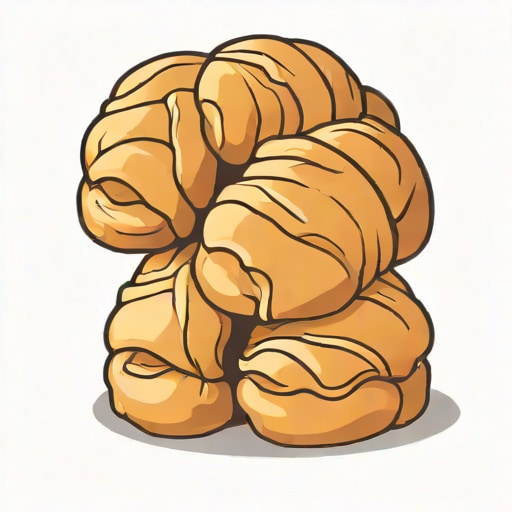
The profiterole pastry is a classic dessert that has captivated the taste buds of people around the world for centuries. Known for its delicate texture, airy interior, and versatility, the profiterole is often seen in bakeries, patisseries, and fine dining establishments. This pastry consists of choux dough, which puffs up when baked, creating a hollow center that can be filled with creams, custards, or other sweet or savory fillings. Its origins trace back to European culinary traditions, particularly French cuisine, and it has evolved over time to include a variety of fillings, toppings, and presentation styles. Understanding what a profiterole pastry is, how it is made, and the different ways it can be enjoyed provides an appreciation for this elegant and indulgent dessert.
Definition and Characteristics of a Profiterole
A profiterole pastry is essentially a small, round puff made from choux pastry dough that is light, airy, and hollow in the center. The key characteristic of this pastry is its ability to hold fillings due to its hollow interior. The outer shell is slightly crisp while the inside remains tender, creating a pleasing contrast in texture. Traditionally, profiteroles are filled with whipped cream, pastry cream, ice cream, or custard and are often topped with chocolate sauce, caramel, or powdered sugar. The combination of the crisp exterior and soft, creamy filling makes the profiterole a favorite dessert for celebrations and special occasions.
History of Profiterole Pastry
The origins of the profiterole pastry can be traced back to the Renaissance period in Europe. French chefs popularized the use of choux pastry (pâte à choux), which became the foundation for many pastries including éclairs, gougères, and profiteroles. Originally, these pastries were used in elaborate banquet settings and were considered a luxurious treat. Over time, the profiterole evolved into a versatile dessert enjoyed by people from all walks of life. Today, it is a staple in French patisserie and has inspired various adaptations around the world.
Ingredients and Preparation
Making profiterole pastry requires a basic set of ingredients and precise technique. The primary components of the choux pastry include
- FlourProvides structure to the pastry while allowing it to puff and hold shape.
- ButterAdds flavor and richness to the dough.
- Water or MilkCreates steam during baking, which causes the pastry to rise.
- EggsIncorporate moisture and help form the airy, hollow structure.
- Optional SugarSlightly sweetens the dough for dessert versions.
The preparation involves cooking the flour, butter, and liquid together to form a dough, then incorporating eggs gradually until smooth and glossy. The dough is piped onto baking sheets in small rounds and baked at a high temperature. The heat causes the moisture to turn into steam, puffing up the pastry and creating a hollow interior. Once baked and cooled, the profiteroles are ready to be filled with creams, custards, or ice cream.
Common Fillings and Toppings
Profiteroles are highly versatile and can accommodate a wide range of fillings and toppings. Some of the most popular fillings include
- Pastry CreamA rich custard made from milk, sugar, eggs, and flour or cornstarch, often flavored with vanilla or chocolate.
- Whipped CreamLight and airy, whipped cream adds a soft texture and delicate sweetness.
- Ice CreamChilled ice cream fillings make profiteroles a refreshing dessert, especially when served with chocolate sauce.
- Savory OptionsFor gourmet applications, profiteroles can be filled with cheese, seafood, or mousse for appetizers.
Toppings can range from classic chocolate ganache or caramel sauce to powdered sugar, nuts, or fruit coulis. The topping complements the filling, creating a visually appealing and flavorful dessert.
Serving and Presentation
Profiteroles are often served as individual pastries or stacked in a decorative arrangement known as a croquembouche, a traditional French wedding and celebration dessert. The croquembouche is a tower of filled profiteroles held together with caramel or spun sugar, showcasing both skill and artistry in pastry making. Individual profiteroles can be elegantly presented on plates, drizzled with sauces, or arranged in layers for a buffet or dessert table. Their small size and delicate appearance make them ideal for both casual and formal occasions.
Variations Around the World
While the traditional French profiterole remains the most recognized, various adaptations exist worldwide. In Italy, similar pastries are known as bignè and are often filled with custard or ricotta. In the United States, profiteroles are frequently paired with ice cream and chocolate sauce for a decadent dessert. Modern variations include flavored choux dough, exotic fillings like matcha cream or salted caramel, and artistic decorations such as edible gold leaf. These variations highlight the pastry’s versatility and ability to evolve with contemporary tastes.
Tips for Making Perfect Profiteroles
Creating perfect profiteroles requires attention to detail and careful execution. Some key tips include
- Ensure that the dough is cooked properly before adding eggs, as undercooked dough may collapse during baking.
- Pipe consistent-sized rounds for even baking and uniform appearance.
- Bake at the correct temperature to allow the pastry to puff fully and develop a crisp exterior.
- Cool the pastries completely before filling to prevent the filling from melting or leaking.
- Experiment with different fillings and toppings to create unique flavor combinations.
With practice, even beginner bakers can create profiteroles that are light, airy, and perfectly filled.
Health Considerations
While profiteroles are a delicious indulgence, they are considered a dessert and are best enjoyed in moderation. The combination of butter, sugar, and cream-based fillings can make them high in calories and fat. For those seeking lighter alternatives, fillings such as fruit compote, yogurt, or low-fat custard can be used, and toppings can be adjusted to reduce sugar content. Despite this, profiteroles remain a treat meant for enjoyment and celebration, and their occasional indulgence is part of their appeal.
The profiterole pastry is a timeless dessert that continues to captivate dessert lovers with its delicate texture, hollow interior, and versatility. Originating from French culinary traditions, it has evolved into a widely recognized treat, filled with creams, custards, or ice cream, and topped with chocolate, caramel, or other delightful sauces. Whether served individually or as part of an elaborate croquembouche, profiteroles offer both visual appeal and indulgent flavor. Their preparation, while requiring technique, is rewarding, and their ability to adapt to sweet and savory fillings makes them a versatile pastry for any occasion. Understanding what a profiterole pastry is and appreciating its history, ingredients, and presentation can inspire bakers and dessert enthusiasts to explore this elegant confection, ensuring it remains a celebrated treat for generations to come.