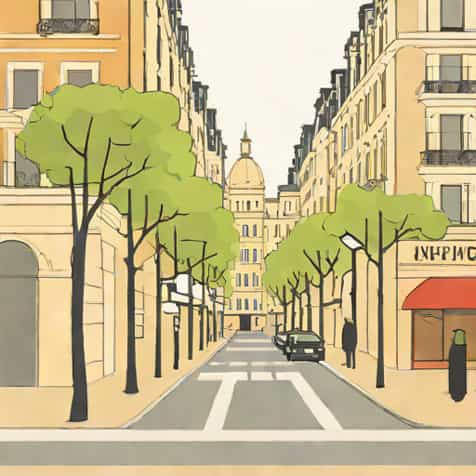
Avenue de Camoëns is one of the lesser-known yet charming spots in Paris that carries both historical depth and cultural beauty. Nestled between the grandeur of Trocadéro and the iconic Eiffel Tower, this quiet street offers visitors and locals a chance to experience the elegance of Paris in a more intimate way. With its architectural beauty, literary connection, and strategic location, Avenue de Camoëns has become an appealing destination for those who enjoy discovering the city beyond the well-trodden tourist paths. Understanding what Avenue de Camoëns represents requires a closer look at its history, meaning, and the role it plays in Parisian culture.
Origin of the Name Avenue de Camoëns
The street is named after LuÃs Vaz de Camões, a celebrated Portuguese poet who lived during the 16th century. Known for his epic poem Os LusÃadas, Camões is often regarded as one of the greatest literary figures in Portuguese history. By dedicating a street in Paris to Camões, the city pays homage to cultural ties between France and Portugal while honoring the poet’s global influence. His name carries an association with exploration, creativity, and the spirit of discovery, qualities that also align with Paris’s cultural image.
Location and Surroundings
Avenue de Camoëns is located in the 16th arrondissement of Paris, an area recognized for its quiet streets, Haussmann-style architecture, and proximity to famous landmarks. The avenue is particularly popular among photographers because it provides one of the best vantage points for viewing the Eiffel Tower without heavy crowds. Visitors often describe it as a hidden gem, since it offers a tranquil setting compared to the busier Trocadéro square.
Highlights of the Location
- Unobstructed views of the Eiffel Tower
- Access to elegant Parisian residential buildings
- Close proximity to cultural sites such as Palais de Chaillot and Jardins du Trocadéro
- A quieter and less crowded environment for walking or photography
Architectural Significance
The buildings along Avenue de Camoëns reflect the classical style that defines much of the 16th arrondissement. The facades feature wrought-iron balconies, detailed stonework, and large windows that capture the light of the Parisian sky. These architectural elements contribute to the street’s charm and provide a glimpse into the city’s urban development during the late 19th and early 20th centuries.
Cultural and Historical Importance
Avenue de Camoëns is not only about its views or architecture; it also reflects Paris’s tradition of honoring intellectual and cultural figures. The decision to name the street after a Portuguese poet shows the city’s appreciation for global culture and its willingness to celebrate international literary achievements. It also symbolizes the bond between France and Portugal, two nations that share histories of exploration and artistic development.
Connection to LuÃs Vaz de Camões
Camões’s work, particularly his epic poem, celebrates exploration, bravery, and the human spirit’s resilience. By linking his name with a Parisian street, the city creates a symbolic bridge between the Age of Discovery and the cultural heart of Europe. Visitors walking down Avenue de Camoëns are indirectly reminded of the poet’s legacy and the universality of art and literature.
Modern Relevance of Avenue de Camoëns
Today, Avenue de Camoëns has gained renewed attention thanks to social media. Many travelers and influencers feature it as one of the most photogenic spots in Paris. Unlike busier tourist areas, this avenue offers serenity, making it a favorite for couples, photographers, and those seeking unique Parisian experiences. Its quiet charm adds to its modern appeal, showing that even in a bustling metropolis, there are places that remain peaceful yet significant.
Experiences for Visitors
- Photography sessions with the Eiffel Tower in the background
- Romantic walks along the avenue
- Enjoying the architectural harmony of Parisian residential life
- Discovering a cultural connection between France and Portugal
How Avenue de Camoëns Reflects Parisian Identity
Paris is a city known for blending history, culture, and modern life. Avenue de Camoëns reflects this identity through its combination of literary homage, architectural elegance, and contemporary relevance. It embodies the city’s ability to transform even a small street into a space filled with meaning, beauty, and international recognition.
Paris Beyond the Famous Landmarks
For many travelers, Paris is synonymous with landmarks such as the Eiffel Tower, the Louvre, and Notre-Dame Cathedral. However, the city’s true character is often revealed through its smaller streets and neighborhoods. Avenue de Camoëns represents this hidden layer of Paris, where elegance and history coexist quietly alongside the city’s more famous attractions.
Why Avenue de Camoëns Matters Today
In an era when travel is often driven by social media trends, places like Avenue de Camoëns stand out for their authenticity and timeless appeal. They provide meaningful experiences that go beyond taking a photograph. The avenue invites reflection, appreciation of cultural ties, and a chance to connect with the quieter side of Paris. For locals, it remains a peaceful corner; for visitors, it is a discovery that enriches their understanding of the city.
Avenue de Camoëns is more than just a street in Paris; it is a cultural landmark that embodies history, literature, and beauty. By carrying the name of LuÃs Vaz de Camões, it bridges the cultural worlds of France and Portugal. Through its architecture, location, and atmosphere, it continues to inspire admiration among locals and visitors alike. Whether one visits to capture the perfect view of the Eiffel Tower or to enjoy a quiet stroll, Avenue de Camoëns offers an unforgettable glimpse into the essence of Parisian life.