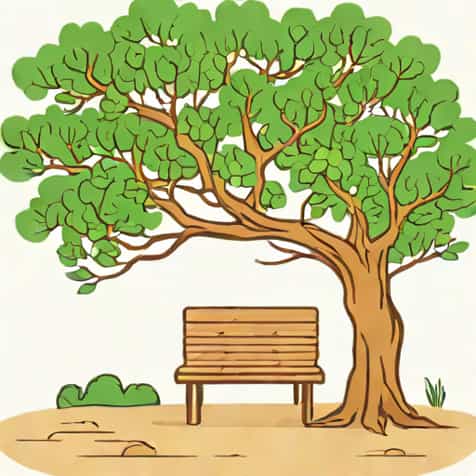
The word banyan in English refers to a specific type of tree known for its remarkable growth pattern, massive size, and cultural significance. When people hear the term banyan, they often picture a giant tree with aerial roots that reach down from the branches and create new trunks over time. This unique characteristic allows a single banyan tree to spread across a wide area, forming what looks like a small forest even though it is all connected to one original trunk. Understanding what banyan means in English involves exploring its botanical features, historical importance, and symbolic roles in various cultures around the world.
Meaning of Banyan in English
In English, banyan refers to a large fig tree, scientifically classified asFicus benghalensis. This tree is native to the Indian subcontinent but has been planted in many tropical and subtropical regions because of its beauty and shade. The name banyan entered English from the Gujarati wordvāṇiyo, which originally described merchants who often gathered under these trees to conduct business. Over time, English speakers adopted the word to describe the tree itself rather than the merchants.
Botanical Characteristics of the Banyan Tree
The banyan is not just another type of tree. Its growth pattern sets it apart from most plants in the world. Some key features include
- Aerial rootsThe tree sends down roots from its branches. These roots eventually reach the ground, take hold, and thicken into secondary trunks.
- Evergreen leavesBanyan trees have large, glossy, evergreen leaves that provide shade throughout the year.
- Wide canopyBecause of its root system, a single banyan tree can spread horizontally over a massive area, sometimes covering thousands of square meters.
- Fig fruitsLike other members of the fig family, banyans produce small fruits that attract birds and animals, helping to spread their seeds.
This remarkable growth habit means that what appears to be a forest can actually be one interconnected organism.
Symbolism and Cultural Importance
The banyan holds deep symbolic meaning in many cultures. In India, it is considered sacred and often associated with longevity and immortality. Many temples and village centers are built around an ancient banyan, where people gather for religious ceremonies, social events, and community discussions. In Buddhism, the banyan is linked to wisdom and meditation, as the Buddha is believed to have attained enlightenment under a related species known as the Bodhi tree.
Banyan in Folklore and Traditions
Stories about banyan trees appear in folklore across Asia. The tree is often seen as a sheltering presence, offering protection to travelers and animals. Its long life and vast shade symbolize stability, strength, and generosity. In some regions, people believe that spirits or deities dwell in the tree, making it an object of respect and reverence.
Global Spread of the Banyan Tree
Although the banyan is native to South Asia, it has spread to many other tropical and subtropical areas. Today, banyan trees can be found in places like Southeast Asia, the Caribbean, Florida, and parts of Africa. In English-speaking countries, the term banyan is used not only to describe the speciesFicus benghalensisbut also other related trees with similar aerial root structures, such as the strangler fig. Cities around the world plant banyan trees in parks and public gardens for their impressive size and shade.
Environmental Role of Banyan Trees
Beyond their beauty and cultural significance, banyan trees play an important role in their ecosystems. Their extensive root systems help prevent soil erosion, while their dense canopy provides shelter for countless species of birds, insects, and small mammals. The fruits of the banyan attract wildlife, making the tree a hub of biodiversity. Because of their ability to grow in challenging conditions, banyan trees also help stabilize urban environments by cooling the surrounding air and improving air quality.
Banyan as a Meeting Place
The origin of the English name reflects the banyan’s historical role as a gathering spot. Merchants, travelers, and villagers often met beneath the cool shade of a banyan to trade goods, share news, or hold community meetings. Even today, large banyan trees remain popular places for people to relax, meditate, or simply escape the heat. The tree’s vast branches and multiple trunks create natural rooms, making it a living shelter for human activity.
Notable Banyan Trees Around the World
Some banyan trees are so large and old that they have become famous landmarks. A few remarkable examples include
- The Great Banyan of IndiaLocated in the Acharya Jagadish Chandra Bose Botanical Garden near Kolkata, this tree covers more than four acres and is over 250 years old.
- Lahaina Banyan in HawaiiPlanted in 1873, this banyan spreads across a city block and is one of the largest in the United States.
- Banyan trees in Thailand and IndonesiaMany ancient banyans stand near temples, serving as sacred sites and historical symbols.
These trees attract tourists, botanists, and nature lovers who marvel at their size and longevity.
Uses of the Banyan Tree
In addition to providing shade and beauty, the banyan has practical uses. Its bark, leaves, and roots have been used in traditional medicine to treat various ailments, from skin conditions to digestive problems. The wood, though not as strong as other hardwoods, can be used for small construction projects or as fuel. Farmers sometimes use banyan trees as natural fencing or to mark property boundaries, relying on their durability and long life.
Banyan in English Expressions
The influence of the banyan extends beyond the natural world into language and literature. In English, the word banyan can appear in poetic descriptions to evoke ideas of shelter, strength, or interconnectedness. Because of its association with merchants and travelers, it also carries connotations of meeting, exchange, and hospitality. Writers and speakers use the image of a banyan tree to symbolize growth, support, and community.
Differences Between Banyan and Other Trees
What makes the banyan unique compared to other large trees is its method of expansion. While oaks and pines grow upward and outward from a single trunk, the banyan spreads horizontally by sending down aerial roots that become new trunks. This creates a network of supports that can survive for centuries. As a result, a single banyan can cover a larger area and live longer than most other tree species, making it a living monument of nature’s ingenuity.
In English, banyan refers to an extraordinary tree that symbolizes strength, connection, and timeless beauty. From its scientific nameFicus benghalensisto its role in culture, medicine, and ecology, the banyan tree stands out as one of the most fascinating species in the plant kingdom. Whether admired for its vast shade, revered in sacred traditions, or planted in urban landscapes, the banyan continues to inspire awe. Understanding what banyan means in English is more than learning a definition-it is an invitation to appreciate a tree that embodies resilience, growth, and the power of nature to create living networks across generations.