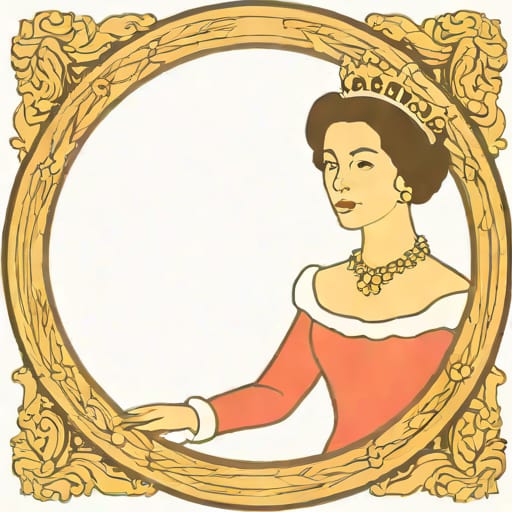
My Last Duchess is a dramatic monologue written by Robert Browning, first published in 1842 in his collection Dramatic Lyrics. The poem provides a chilling glimpse into the mind of a Duke as he reveals details about his former wife to a visitor, presumably an emissary arranging his next marriage. Through a single, uninterrupted speech, Browning explores themes of power, control, jealousy, and the dark side of human nature. The poem’s use of dramatic monologue allows readers to witness the Duke’s personality, motivations, and moral corruption without an external narrator, making it a masterful study of character and psychological insight. Understanding the poem requires attention to its narrative style, themes, and historical context, as well as the subtle use of irony and dramatic tension.
Overview of the Poem
The poem is set in Renaissance Italy and revolves around the Duke speaking to a visitor about a portrait of his late wife, the last Duchess. The Duke’s speech reveals more about his own character than about the Duchess herself. He describes her behavior as overly friendly and appreciative of simple pleasures, such as admiring the sunset or smiling at others. To the Duke, these actions signify a lack of respect or exclusivity, and he interprets them as flaws in her character. Through his account, the audience comes to understand the Duke’s obsessive need for control and his authoritarian personality. The poem is only one page long, yet it encapsulates an intense and unsettling narrative that demonstrates Browning’s skill in compressing complex ideas into a concise dramatic format.
The Duke as a Character
The Duke is the central character and narrator, and the dramatic monologue is a tool Browning uses to provide insight into his personality. Through his speech, readers observe his possessiveness, arrogance, and cruelty. He treats the Duchess not as a person but as an object or possession, displayed in a painting on the wall. His description of her interactions with others suggests that he could not tolerate her independent spirit or joyful nature. This control extends beyond her death, as he continues to dictate how she is remembered and presented to the world. The Duke’s character embodies the dangers of unchecked power, jealousy, and obsession, making him both fascinating and morally reprehensible.
Plot and Narrative Structure
The poem unfolds as the Duke speaks to an emissary who has come to negotiate his next marriage. Rather than focusing on the negotiation, the Duke digresses into a story about his late wife, revealing details about her demeanor and his dissatisfaction. He points to the portrait on the wall and recounts her smiles and blushes, which he interprets as signs of flirtation or insubordination. Through his description, the reader senses the Duke’s controlling and jealous nature. He implies, though never explicitly states, that he may have been responsible for her demise, hinting at murder or exile. This gradual revelation of his darker side builds dramatic tension and irony, as he remains oblivious to the sinister impression he creates on the listener.
The Role of the Emissary
The emissary in the poem serves as a silent listener, a narrative device that allows the Duke to reveal his character without interruption. Although the emissary does not speak, his presence is essential, as it provides a reason for the Duke’s monologue. The emissary’s silence highlights the Duke’s arrogance and self-absorption, allowing readers to focus entirely on the Duke’s perspective. The emissary also represents society and social protocol, contrasting with the Duke’s morally corrupt behavior and emphasizing the tension between social expectations and personal obsession.
Themes of My Last Duchess
Several themes are central to understanding the poem and its impact
Power and Control
The Duke’s need for control over his Duchess is the driving force of the poem. He expects absolute obedience and exclusive admiration, and he cannot tolerate her independent spirit. This obsession with control extends to his presentation of her portrait, treating it as a display of his possession rather than a tribute to her memory. The poem critiques the abuse of power in relationships and the objectification of individuals by those in authority.
Jealousy and Possessiveness
Jealousy fuels the Duke’s dissatisfaction with his wife. He interprets innocent social interactions and simple pleasures as personal affronts, reflecting his insecure and possessive nature. The poem examines how jealousy can distort perception and lead to destructive behavior, including manipulation or violence. The Duke’s monologue subtly implies that he may have been responsible for the Duchess’s death, making his jealousy a fatal flaw.
Appearance vs. Reality
Browning uses dramatic irony to contrast appearance with reality. While the Duke presents himself as cultured and polite, his words reveal cruelty and moral corruption. Similarly, the Duchess is portrayed through the Duke’s biased perspective, but the audience senses her kindness, joy, and humanity. This theme highlights how perception can be manipulated by those in power and how personal bias shapes the telling of a story.
Art and Objectification
The portrait of the Duchess serves as a symbol of objectification and control. The Duke admires her image but not her person, treating art as a means of ownership and display. This theme raises questions about the relationship between art and reality, and how individuals can be reduced to objects within a social or patriarchal framework.
Literary Devices and Style
Browning employs several literary techniques that enhance the impact of the poem
- Dramatic MonologueThe entire poem is a single speech, revealing character through words rather than action.
- IronyThe Duke’s attempt to present himself as reasonable inadvertently exposes his cruelty and obsession.
- ImageryVivid descriptions of the Duchess’s smiles, blushes, and the painting create a visual and emotional impact.
- SymbolismThe portrait symbolizes possession and control, while the Duke’s references to the Duchess’s behavior reveal psychological depth.
- EnjambmentThe flowing, continuous lines mirror the Duke’s conversational tone and obsessive rumination.
Historical and Cultural Context
My Last Duchess reflects the social norms and gender dynamics of Renaissance Italy, where arranged marriages and patriarchal authority were common. Browning, writing in Victorian England, used this historical setting to explore universal themes of power, jealousy, and morality. The poem critiques the societal structures that allow men in positions of authority to dominate and control women, making it relevant across different eras.
Interpretations and Analysis
The poem can be read in multiple ways, depending on the focus of analysis
- Psychological StudyThe Duke’s speech reveals his personality, insecurities, and moral failings, making it a study of human psychology and obsession.
- Social CritiqueThe poem critiques patriarchal power, control in marriages, and the objectification of women.
- Dramatic IronyBrowning allows readers to understand the Duchess’s character and fate through the Duke’s biased narration, creating tension and engagement.
- Art and LiteratureThe use of a dramatic monologue exemplifies Browning’s innovation in poetry, blending narrative and character study into a single, cohesive piece.
My Last Duchess is a compelling dramatic monologue that examines power, jealousy, and moral corruption through the lens of a controlling Duke recounting his late wife’s behavior. Robert Browning masterfully uses the dramatic monologue to reveal character, employ irony, and explore timeless themes of human psychology and social hierarchy. The poem’s vivid imagery, symbolic portrait, and tense narrative structure make it one of Browning’s most famous works, demonstrating the dangers of possessiveness and the consequences of viewing people as objects. Through its psychological depth and social commentary, My Last Duchess remains a widely studied and admired poem, offering insight into the human condition and the complexities of authority and obsession.