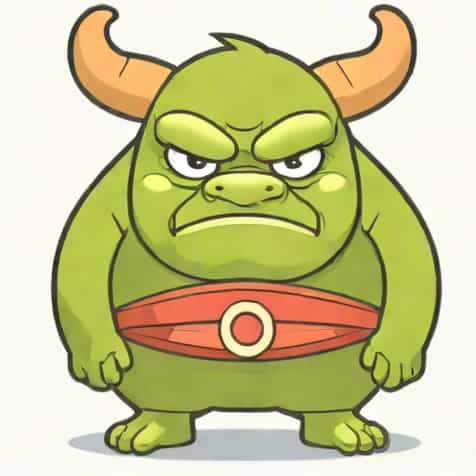
Ogres are mythical creatures that appear in folklore and popular culture around the world, often depicted as large, fearsome, and sometimes dim-witted beings. In Japanese culture, ogres are represented by a unique class of creatures known as oni (鬼), which carry both supernatural and symbolic significance. Understanding what ogre means in Japanese requires exploring the cultural, historical, and mythological background of oni, as well as their role in literature, festivals, and modern media. Unlike the Western concept of ogres, which often emphasizes brute strength and monstrous appearance, Japanese oni combine physical intimidation with moral and spiritual dimensions, reflecting societal values and traditional beliefs. Recognizing these nuances provides insight into Japanese folklore and the enduring influence of oni in contemporary culture.
Ogre and Its Japanese Equivalent
In Japanese, the closest equivalent to an ogre is oni (鬼). Oni are supernatural beings often depicted as large, horned, and menacing, with sharp claws and wild hair. They are typically portrayed wearing tiger-skin loincloths and carrying massive iron clubs called kanabō (金棒). The term oni encompasses a variety of creatures in Japanese folklore, including demons, trolls, and malevolent spirits. While Western ogres are primarily seen as dangerous and violent, oni in Japanese tradition also carry symbolic meanings, representing misfortune, punishment, and the duality of human nature. The cultural significance of oni goes beyond physical appearance, reflecting societal lessons, moral warnings, and spiritual beliefs.
Physical Appearance of Oni
Oni are commonly described as towering figures with grotesque features. Their skin can range in color from red and blue to green or black, symbolizing their otherworldly nature. They often have one or more horns, sharp teeth, and exaggerated facial expressions to evoke fear. The kanabō they wield is not only a weapon but also a symbol of their strength and authority. In art and traditional theater, such as Noh and Kabuki, oni are depicted with elaborate costumes and masks, emphasizing their terrifying yet fascinating presence. This visual representation reinforces their identity as supernatural enforcers and moral agents.
Oni in Japanese Folklore
Oni have a long history in Japanese folklore, appearing in myths, legends, and local tales. They are often portrayed as antagonists who threaten humans, punish wrongdoers, or guard treasures. In some stories, oni are purely evil, representing chaos and danger, while in others, they have complex personalities and can be reasoned with or even appeased. Folktales like Momotaro (Peach Boy) feature oni as villains defeated by heroes, symbolizing the triumph of good over evil. These stories highlight the cultural importance of oni as both a cautionary figure and a narrative device to teach values such as bravery, justice, and morality.
Symbolism and Meaning
In Japanese culture, oni symbolize more than just physical threats. They are often associated with natural disasters, misfortune, and moral transgressions. For example, oni can represent internal human struggles, such as anger, greed, or jealousy. They serve as metaphors for the darker aspects of human behavior and societal challenges. At the same time, oni remind people of the importance of maintaining harmony, following rules, and avoiding actions that bring harm to themselves or the community. This dual role of fear and moral instruction makes oni unique compared to the more one-dimensional depiction of ogres in Western folklore.
Oni in Japanese Festivals
Oni are prominently featured in Japanese festivals and rituals, most notably in Setsubun, a festival held at the beginning of spring. During Setsubun, people perform a ritual called mamemaki, where roasted soybeans are thrown to drive away evil spirits, including oni, while chanting Oni wa soto! Fuku wa uchi! (Demons out! Good fortune in!). This tradition illustrates the cultural integration of oni as symbols of misfortune that can be expelled to invite luck and prosperity. Festival celebrations often include oni costumes, masks, and performances, showcasing the enduring presence of these mythical creatures in Japanese social life.
Oni in Modern Media
In contemporary Japanese media, oni continue to appear in manga, anime, video games, and films. Their representation varies widely, from fearsome antagonists to misunderstood or even humorous characters. Popular series like Inuyasha, Demon Slayer (Kimetsu no Yaiba), and Onmyoji feature oni-inspired creatures, blending traditional folklore with modern storytelling. This adaptability demonstrates the flexibility of the ogre-like concept in Japanese culture, allowing oni to serve as both entertainment and a conduit for cultural heritage.
Differences Between Western Ogres and Japanese Oni
While oni and ogres share similarities, such as large size, strength, and intimidating appearance, there are notable differences rooted in cultural context. Western ogres, as seen in fairy tales and fantasy literature, are often portrayed as mindless, gluttonous, or purely evil creatures. Oni, however, are more complex, with moral, spiritual, and symbolic dimensions. They can represent internal human vices, societal warnings, or supernatural forces. Additionally, oni are deeply integrated into Japanese cultural practices, festivals, and artistic traditions, while ogres in the West are mostly confined to storytelling and folklore.
Behavior and Traits
- Western OgresTypically brute, solitary, and antagonistic, often posing a threat without deeper symbolic meaning.
- Japanese OniCan be malevolent or morally instructive, appearing in groups, guarding treasures, or enforcing justice, with complex motivations.
- Interaction with HumansOni can be negotiated with, appeased, or defeated through cleverness, whereas ogres are generally overcome by physical strength or bravery alone.
Oni as Cultural Icons
Oni have become iconic figures in Japanese culture, representing both fear and fascination. They appear in educational materials, popular culture, and tourism, reflecting their multifaceted role. Traditional masks and figurines are often sold as souvenirs, symbolizing protection against evil. Their enduring presence highlights the importance of folklore in shaping cultural identity and collective imagination. Understanding what ogre means in Japanese, therefore, extends beyond translation-it involves appreciating the cultural, spiritual, and artistic layers that define oni.
Practical Implications
For those learning Japanese or studying Japanese culture, recognizing the meaning and context of oni is valuable. It enhances comprehension of literature, film, and traditional practices. Additionally, it provides insight into Japanese approaches to morality, symbolism, and storytelling. Whether exploring historical texts or contemporary media, knowledge of oni enriches the understanding of cultural narratives and societal values.
In Japanese, the concept of an ogre is best captured by the term oni, a supernatural being with rich cultural, moral, and symbolic significance. Oni differ from Western ogres in complexity, purpose, and representation, serving not only as frightening creatures but also as moral guides, symbolic figures, and elements of cultural expression. From folktales and literature to festivals and modern media, oni remain a vital part of Japanese cultural heritage. Understanding oni provides a deeper appreciation of Japanese mythology, language, and artistic traditions, highlighting how mythical creatures can reflect both human fears and societal values. The study of oni demonstrates the intricate interplay between folklore, culture, and human imagination, illustrating that what may seem like a simple translation of ogre carries layers of meaning unique to Japanese context.
Overall, learning what ogre means in Japanese opens a window into the broader world of Japanese mythology, folklore, and cultural expression. Oni embody both the terrifying and the instructive, offering insight into human nature, societal norms, and the rich tapestry of stories that have been passed down through generations. Whether encountered in traditional masks, festival celebrations, or modern storytelling, oni continue to captivate and educate, making them a fascinating subject for study and appreciation.