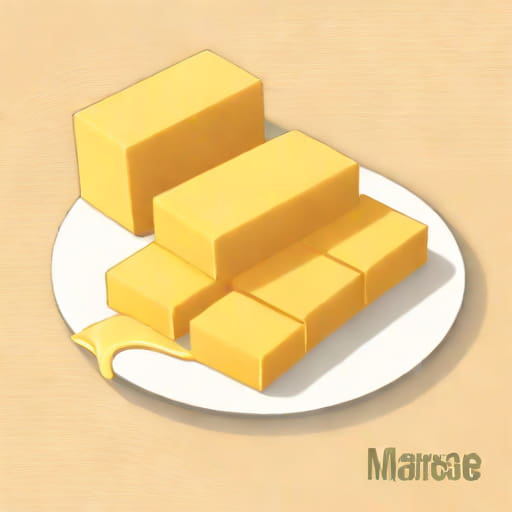
Oleo margarine, commonly referred to simply as margarine, is a widely used butter substitute that has been a staple in kitchens around the world for over a century. Made primarily from vegetable oils, oleo margarine was originally developed as a cost-effective alternative to butter, providing similar taste and functionality for cooking, baking, and spreading. Unlike butter, which is derived from animal milk, oleo margarine is largely plant-based, making it a versatile ingredient for various dietary preferences. Its development not only transformed culinary practices but also became a key product in the food industry, influencing the way people cook and consume fats. Understanding oleo margarine involves exploring its history, composition, production methods, uses, and nutritional aspects, all of which contribute to its prominence in modern diets.
History of Oleo Margarine
The origin of oleo margarine dates back to the 19th century. In 1869, French chemist Hippolyte Mège-Mouriès invented margarine in response to a challenge by Napoleon III, who sought a cheaper alternative to butter for the French navy and lower-income populations. The original product, called oleomargarine, was made from beef tallow and skimmed milk, offering a spreadable and affordable substitute for butter. Over time, the composition evolved, with vegetable oils replacing animal fats to create the modern plant-based margarine commonly consumed today. This shift not only improved the health profile of margarine but also expanded its use in households and food production globally.
Evolution in the 20th Century
By the early 20th century, oleo margarine had become a staple in many countries, particularly in Europe and North America. Innovations in hydrogenation allowed manufacturers to solidify vegetable oils, giving margarine a texture similar to butter. However, early margarine faced legal restrictions in some regions due to dairy industry lobbying. Despite this, the product gained widespread acceptance because of its affordability, shelf stability, and versatility in cooking and baking.
Composition and Ingredients
Oleo margarine is primarily made from vegetable oils such as soybean, sunflower, palm, or canola oil. The oils are processed to achieve a semi-solid consistency suitable for spreading and cooking. Key ingredients include
- Vegetable OilsThe primary fat source, providing texture and flavor.
- WaterAdded to create an emulsion and improve spreadability.
- EmulsifiersSuch as lecithin, which help blend oils and water into a stable mixture.
- SaltEnhances flavor and acts as a preservative.
- Preservatives and ColoringOptional additives to maintain shelf life and appearance.
Hydrogenation and Trans Fats
Traditional oleo margarine often underwent partial hydrogenation to solidify vegetable oils. While this process improved texture and stability, it also produced trans fats, which have been linked to negative health effects such as increased risk of heart disease. In recent decades, many manufacturers have moved towards non-hydrogenated oils or used interesterification methods to reduce or eliminate trans fats, improving the health profile of modern margarine products.
Production Process
The manufacturing of oleo margarine involves several steps to ensure a smooth, spreadable, and stable product. These steps typically include
- BlendingVegetable oils are blended with water and other ingredients to form an emulsion.
- Hydrogenation or StabilizationOils are partially hydrogenated or stabilized to achieve the desired consistency.
- Cooling and CrystallizationThe mixture is cooled to create a semi-solid texture suitable for spreading.
- PackagingMargarine is packed in tubs, sticks, or containers for retail distribution.
Uses in Cooking and Baking
Oleo margarine is highly versatile and widely used in both home kitchens and commercial food production. Its applications include
- SpreadingUsed as a spread on bread, toast, or crackers.
- BakingProvides moisture and texture in cakes, cookies, pastries, and pies.
- CookingUsed for sautéing, frying, and as a base for sauces and gravies.
- Flavor EnhancementAdds richness and a buttery taste to various dishes.
The main advantage of oleo margarine over butter in these applications is its affordability, longer shelf life, and ability to maintain stability at different temperatures.
Nutritional Aspects
Oleo margarine is a source of fat, calories, and sometimes vitamins, depending on fortification. While it contains less saturated fat than traditional butter, the presence of trans fats in older formulations posed health concerns. Modern margarine is often fortified with vitamins such as A and D, contributing to daily nutritional requirements. Consumers seeking healthier options may choose margarine products labeled as non-hydrogenated or low in saturated and trans fats.
Health Considerations
When choosing oleo margarine, it is important to consider its fat content and type. Products made from non-hydrogenated vegetable oils are generally preferable. While margarine can be part of a balanced diet, moderation is advised due to its calorie density. Additionally, margarine should be stored properly to prevent rancidity and maintain quality.
Advantages of Oleo Margarine
- Cost-effective compared to butter, making it accessible to a wide range of consumers.
- Long shelf life due to stability and preservatives.
- Plant-based, suitable for vegetarian diets.
- Versatile in cooking, baking, and spreading applications.
- Fortified versions provide additional nutrients like vitamins A and D.
Oleo margarine is a versatile and widely used butter substitute made primarily from vegetable oils. Its invention in the 19th century revolutionized the way people used fats in cooking and baking, offering an affordable, shelf-stable alternative to traditional butter. Over the years, advances in production methods have improved its health profile by reducing or eliminating trans fats. Today, oleo margarine continues to be a key ingredient in households and commercial kitchens, valued for its spreadability, affordability, and versatility. Understanding its history, composition, uses, and nutritional aspects allows consumers to make informed choices, ensuring that oleo margarine remains a beneficial addition to modern diets.