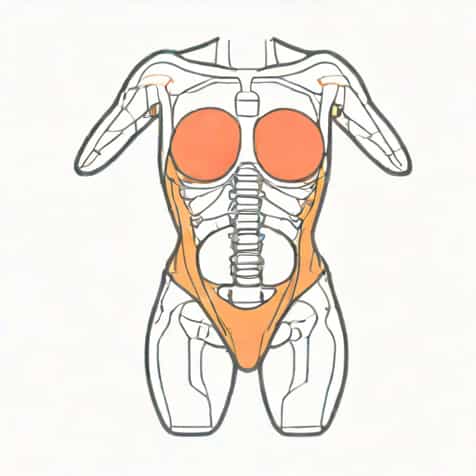
Pendulous abdomen is a medical condition characterized by an enlarged, sagging, or protruding abdomen that hangs down due to excess fat, fluid accumulation, or weakened abdominal muscles. This condition is often associated with obesity, aging, pregnancy, or underlying medical problems such as liver disease, ascites, or hernias. A pendulous abdomen can affect both men and women and may have significant impacts on physical health, mobility, and self-esteem. Recognizing the causes, symptoms, and treatment options for a pendulous abdomen is important for maintaining overall health and preventing complications related to posture, digestion, and cardiovascular function.
Definition and Overview of Pendulous Abdomen
A pendulous abdomen is not simply a cosmetic issue; it represents a physical change in the abdominal structure that may reflect underlying health conditions. The term pendulous refers to the hanging or drooping nature of the abdomen, which may be more pronounced when standing or walking. This condition can result from a combination of factors, including excessive abdominal fat, stretched or weakened abdominal muscles, and accumulation of fluid in the abdominal cavity. People with pendulous abdomens often experience discomfort, difficulty in performing physical activities, and changes in posture due to the added weight and pressure on the lower back and pelvis.
Causes of Pendulous Abdomen
Several factors can contribute to the development of a pendulous abdomen. Some of the most common causes include
- ObesityExcessive fat accumulation in the abdominal region can lead to sagging skin and the appearance of a pendulous belly.
- PregnancyAfter childbirth, abdominal muscles and skin may remain stretched, resulting in a pendulous appearance.
- AgingWith age, skin loses elasticity, and muscles weaken, contributing to sagging of the abdomen.
- AscitesFluid accumulation in the abdominal cavity, often due to liver disease or heart failure, can cause abdominal distension.
- HerniasAbdominal hernias, particularly umbilical or incisional hernias, can create a localized protrusion that appears pendulous.
- Poor Posture and Muscle WeaknessWeak abdominal and core muscles reduce support for internal organs, allowing the abdomen to sag over time.
Symptoms Associated with Pendulous Abdomen
The presence of a pendulous abdomen can be accompanied by several noticeable symptoms. These may vary depending on the underlying cause and severity of the condition
- Visible sagging or hanging of the abdominal area
- Difficulty in performing daily activities such as bending, lifting, or walking
- Lower back pain due to increased pressure and strain on the spine
- Skin irritation or rashes in the folds of the abdomen
- Digestive discomfort or bloating, particularly if fluid accumulation is present
- In severe cases, breathing difficulties caused by pressure on the diaphragm
Health Risks and Complications
A pendulous abdomen may contribute to several health complications if left unmanaged. Obesity-related pendulous abdomens increase the risk of cardiovascular disease, type 2 diabetes, and hypertension. Individuals with ascites-related pendulous abdomen may experience complications from liver disease, kidney dysfunction, or heart failure. Additionally, weakened abdominal muscles and poor posture can lead to musculoskeletal problems, including chronic lower back pain and spinal misalignment. Skin infections or ulcerations in abdominal folds are also a concern, particularly in individuals with limited mobility.
Diagnosis of Pendulous Abdomen
Diagnosing a pendulous abdomen involves a combination of physical examination, medical history, and diagnostic tests. Healthcare professionals evaluate the size, shape, and consistency of the abdomen, as well as associated symptoms such as fluid accumulation or hernias. Diagnostic imaging, including ultrasound, CT scan, or MRI, may be used to determine the presence of ascites, tumors, or other internal abnormalities. Blood tests can also help identify underlying conditions like liver disease, metabolic disorders, or hormonal imbalances that contribute to abdominal changes.
Treatment and Management
The treatment of a pendulous abdomen depends on the underlying cause, severity, and the individual’s overall health. Management strategies can be divided into non-surgical and surgical approaches
Non-Surgical Management
- Weight ManagementDiet and exercise programs can help reduce excess abdominal fat and improve overall health.
- Physical TherapyCore-strengthening exercises help support abdominal muscles, improve posture, and reduce sagging.
- Medical TreatmentFor conditions such as ascites, treatment may include diuretics, dietary modifications, or management of liver disease.
- Supportive GarmentsAbdominal binders or compression garments can provide temporary support and reduce discomfort during daily activities.
Surgical Management
- Abdominoplasty (Tummy Tuck)Surgical removal of excess skin and fat to tighten the abdominal wall, often recommended for post-pregnancy or significant weight loss cases.
- LiposuctionRemoval of localized fat deposits to improve the contour of the abdomen.
- Hernia RepairSurgical correction of hernias that contribute to abdominal protrusion.
Prevention and Lifestyle Considerations
While not all cases of pendulous abdomen can be fully prevented, adopting a healthy lifestyle can reduce risk factors and improve abdominal health. Key preventive measures include maintaining a balanced diet, engaging in regular physical activity, performing core-strengthening exercises, and avoiding rapid weight gain or loss. Postpartum women can benefit from guided exercises to restore abdominal strength, while older adults should focus on activities that support muscle tone and flexibility. Early intervention and proactive health management can reduce the severity of a pendulous abdomen and its associated complications.
Psychological and Social Implications
In addition to physical health concerns, a pendulous abdomen can affect psychological well-being and social interactions. Individuals may experience decreased self-esteem, body image concerns, and anxiety about their appearance. Social stigma associated with obesity or visible abdominal sagging can impact confidence and participation in physical or social activities. Addressing these psychological aspects is essential in comprehensive treatment plans, which may include counseling, support groups, and holistic wellness programs.
Pendulous abdomen is a condition characterized by a sagging or protruding abdominal area that may result from obesity, aging, pregnancy, or medical conditions such as ascites and hernias. This condition affects physical health, posture, mobility, and psychological well-being. Effective management requires understanding the underlying cause, lifestyle interventions, and in some cases, surgical correction. Prevention strategies including diet, exercise, and core strengthening can reduce risk factors, while medical interventions address underlying health issues. Recognizing and addressing a pendulous abdomen is important for maintaining overall health, improving quality of life, and preventing associated complications.