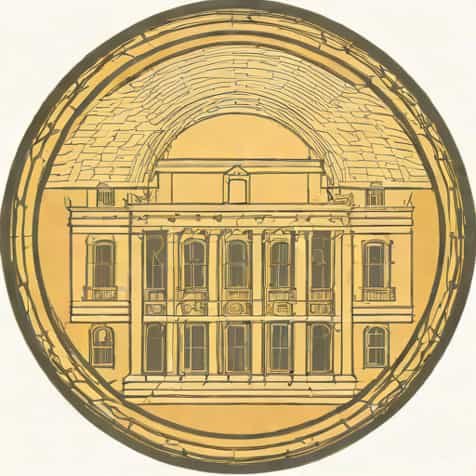
The Jeffersonian Era, spanning the early years of the 19th century in the United States, is widely recognized as a period of political transformation, economic development, and cultural change. Named after Thomas Jefferson, the third President of the United States, this era marked a shift toward a more democratic and agrarian vision of the nation. Jeffersonian principles emphasized limited government, states’ rights, and the importance of an educated citizenry, which influenced both domestic policies and foreign relations. The era is also remembered for significant events such as the Louisiana Purchase, the Lewis and Clark Expedition, and efforts to expand American territory and influence while maintaining a vision of liberty and republican ideals.
Political Principles of the Jeffersonian Era
At the heart of the Jeffersonian Era were the political beliefs and policies advocated by Thomas Jefferson. His presidency and the period surrounding it promoted a philosophy that favored the common citizen and rural agrarian life over centralized power and urban commercial interests.
Limited Government
One of Jefferson’s core principles was the idea of limited federal government. He believed that too much central authority could threaten individual liberty and the rights of states. As a result, policies during the Jeffersonian Era often sought to reduce the power of the federal government, cut taxes, and decrease national debt. This approach was in contrast to the earlier Federalist policies of Alexander Hamilton, which emphasized strong central governance and a robust national economy.
Emphasis on States’ Rights
Jeffersonian democracy strongly emphasized the importance of states’ rights. Jefferson believed that local governments were better suited to meet the needs of citizens and that states should maintain autonomy to make decisions independent of federal interference. This principle became a foundational idea in American political thought and influenced debates over federalism for decades.
Expansion of Democratic Ideals
During the Jeffersonian Era, efforts were made to expand political participation and strengthen democratic institutions. While voting rights were still limited to white male property owners, Jeffersonian policies encouraged greater involvement of ordinary citizens in government and emphasized the importance of an informed electorate. This approach contributed to the growth of political parties and the development of the Democratic-Republican Party as a major force in American politics.
Economic and Agrarian Focus
The Jeffersonian Era is also known for its strong focus on agrarian values and rural life. Jefferson himself was a lifelong advocate of the yeoman farmer, whom he considered the backbone of American democracy and virtue.
Agrarian Economy
Jefferson promoted an economy based on agriculture rather than industrialization. He believed that farmers were independent, self-reliant, and morally virtuous, contrasting with urban commercial centers, which he viewed as potentially corrupting. Land ownership and farming were seen as central to the American way of life, and Jefferson supported policies that encouraged westward expansion and the settlement of new territories for agricultural use.
Louisiana Purchase
One of the most significant economic and territorial achievements of the Jeffersonian Era was the Louisiana Purchase in 1803. By acquiring a vast expanse of land from France, Jefferson doubled the size of the United States, providing new opportunities for farming and settlement. This acquisition not only strengthened the agrarian vision of the nation but also demonstrated Jefferson’s willingness to adapt his strict interpretation of the Constitution to benefit the country.
Support for Free Trade
Jeffersonian policies also supported free trade and opposed monopolies or excessive government control over commerce. Jefferson believed that a nation of independent farmers and small businesses could thrive through open markets and minimal government interference, reflecting the era’s commitment to economic freedom and self-sufficiency.
Cultural and Intellectual Developments
The Jeffersonian Era encouraged cultural growth and intellectual pursuits, emphasizing the importance of education, science, and civic responsibility. Jefferson himself was a proponent of public education and believed that an informed citizenry was essential for the health of the republic.
Education and Knowledge
During this period, there was an increased focus on creating public educational institutions and promoting literacy. Jefferson founded the University of Virginia in 1819, reflecting his belief that higher education should be accessible and designed to cultivate informed leaders capable of contributing to democratic governance.
Scientific Exploration
The Jeffersonian Era is also known for scientific exploration, most notably the Lewis and Clark Expedition. Commissioned by Jefferson after the Louisiana Purchase, this expedition provided valuable information about the geography, flora, fauna, and native populations of the western territories. It symbolized the era’s commitment to knowledge, discovery, and the practical application of science for national growth.
Arts and Architecture
Jeffersonian principles influenced American architecture and culture as well. Jefferson himself was an accomplished architect and promoted neoclassical designs for public buildings and homes. This architectural style emphasized balance, harmony, and republican ideals, reflecting the intellectual and cultural aspirations of the era.
Foreign Policy During the Jeffersonian Era
Jefferson’s presidency and the era that bears his name were marked by careful navigation of foreign relations. While committed to peace, Jefferson faced challenges in maintaining American neutrality in the face of European conflicts.
Neutrality and Diplomacy
Jefferson sought to avoid entanglement in European wars, particularly between Britain and France, believing that the young nation’s security and prosperity depended on neutrality. His foreign policy emphasized diplomacy, economic leverage, and cautious engagement rather than military confrontation.
Embargo Act of 1807
One of the most controversial policies of the Jeffersonian Era was the Embargo Act of 1807, which prohibited American ships from trading with foreign nations. Intended to protect U.S. interests and assert neutrality, the act had significant economic consequences, particularly for merchants and port cities. While the policy reflected Jefferson’s commitment to peaceful negotiation, it also highlighted the challenges of balancing ideals with practical realities.
Legacy of the Jeffersonian Era
The Jeffersonian Era left a lasting impact on American political, economic, and cultural life. Its emphasis on limited government, states’ rights, and agrarian values influenced future political thought and helped shape the identity of the United States in the early 19th century.
Political Influence
Jeffersonian principles inspired future generations of leaders and political movements that favored decentralization, individual liberty, and rural interests. The Democratic-Republican Party, founded on these ideas, dominated American politics for much of the early 19th century, and Jefferson’s vision continued to shape debates over federal power and democracy.
Cultural and Educational Impact
The era promoted education, scientific inquiry, and cultural development, laying the groundwork for institutions that valued knowledge, civic responsibility, and innovation. Jefferson’s influence on architecture, education, and exploration reflected a broader commitment to enlightened republican ideals.
Territorial Expansion
The Louisiana Purchase and westward expansion during the Jeffersonian Era facilitated the growth of the United States, enabling the spread of agriculture and the development of new communities. These achievements were central to Jefferson’s vision of a nation rooted in independent, self-reliant citizens.
The Jeffersonian Era is known for its emphasis on limited government, states’ rights, agrarian values, and democratic principles. Named after Thomas Jefferson, the era fostered political, economic, cultural, and scientific developments that shaped the early United States. Significant achievements such as the Louisiana Purchase, the Lewis and Clark Expedition, and the promotion of education and civic responsibility highlight the era’s lasting influence. While challenges like the Embargo Act of 1807 tested Jeffersonian ideals in practice, the period remains a defining moment in American history, remembered for its commitment to liberty, republican values, and the vision of a nation of independent, informed citizens.