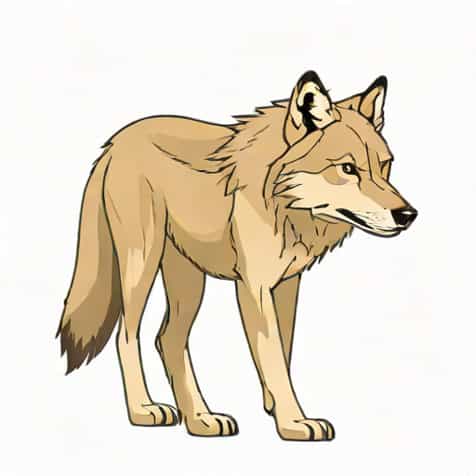
Wolves are one of the most iconic predators in the animal kingdom, known for their strength, intelligence, and social behavior. Among the various subspecies of wolves that inhabit different regions of the world, there is one that stands out for its remarkable size and physical presence. The largest subspecies of wolf is a topic of great interest for wildlife enthusiasts, researchers, and conservationists, as it represents the apex of wolf evolution in terms of body mass and adaptations. Understanding the characteristics, habitat, behavior, and conservation status of this subspecies provides insight into the diversity of the gray wolf and highlights the ecological importance of large predators in their natural environments.
Identification of the Largest Wolf Subspecies
The largest subspecies of wolf is theAlaskan Interior Wolf, also known scientifically asCanis lupus pambasileus. This subspecies is native to the northern regions of Alaska and parts of northwestern Canada, where the environment is harsh, and prey availability dictates their size and hunting capabilities. The Alaskan Interior Wolf is distinguished by its robust build, long legs, large head, and thick fur, which allows it to survive extreme cold temperatures. It is considered the largest in terms of both weight and overall body dimensions compared to other gray wolf subspecies.
Physical Characteristics
The Alaskan Interior Wolf exhibits several traits that make it the largest wolf subspecies. Adult males can weigh between 45 to 68 kilograms (100 to 150 pounds), while females are slightly smaller, typically weighing between 36 to 50 kilograms (80 to 110 pounds). In terms of length, these wolves can reach up to 2.1 meters (7 feet) from nose to tail. Their thick double-layered fur ranges in color from gray to black, often with shades of white or brown, providing excellent camouflage in the snowy and forested terrain they inhabit.
Comparison with Other Subspecies
While other wolf subspecies, such as the Eurasian Wolf or the Timber Wolf, can also grow to impressive sizes, the Alaskan Interior Wolf consistently ranks at the top in terms of bulk and strength. For example, the Eurasian Wolf (Canis lupus lupus) typically weighs between 30 to 50 kilograms (66 to 110 pounds), making it smaller on average than the Alaskan Interior Wolf. Similarly, the Timber Wolf (Canis lupus lycaon) found in parts of North America is generally lighter and less robust than the Alaskan counterpart.
Habitat and Range
The Alaskan Interior Wolf inhabits the vast wilderness of Alaska’s interior regions, including forested valleys, tundra, and mountainous areas. These wolves are adapted to harsh climatic conditions, enduring cold winters with temperatures often dropping below -40°C. The availability of prey species such as moose, caribou, and smaller mammals has shaped their hunting strategies, pack behavior, and territorial range.
Territorial Behavior
Alaskan Interior Wolves are highly territorial and cover large areas in search of food. Pack territories can range from 80 to 1,000 square miles depending on prey density and environmental conditions. The size and strength of these wolves allow them to hunt large prey, defend their territory from rival packs, and survive in one of the most challenging environments on Earth.
Social Structure and Pack Dynamics
Like all gray wolves, the Alaskan Interior Wolf exhibits strong social behavior and lives in packs. Packs are typically composed of an alpha pair, their offspring, and occasionally other adult wolves. The social structure ensures coordinated hunting, protection of territory, and care for young pups. The size and strength of the Alaskan Interior Wolf make it an effective pack hunter, capable of taking down prey significantly larger than individual wolves.
Hunting Strategies
- Cooperative Hunting Wolves work together to encircle and chase prey such as moose or caribou.
- Stealth and Stamina They use their long legs and endurance to track and exhaust prey over long distances.
- Pack Communication Vocalizations, body language, and scent marking help coordinate hunting and pack activities.
These strategies are vital for survival in the harsh Alaskan interior, where food resources can be scarce during winter months.
Diet and Ecological Role
The diet of the Alaskan Interior Wolf is primarily carnivorous, focusing on large ungulates such as moose, caribou, and occasionally smaller mammals like hares or beavers. By preying on these species, wolves play a critical role in regulating herbivore populations, maintaining ecological balance, and influencing vegetation patterns. Their presence contributes to a healthy ecosystem by preventing overgrazing and supporting biodiversity.
Scavenging and Opportunistic Feeding
While primarily hunters, these wolves are also opportunistic feeders and will scavenge on carrion or human refuse if available. Their adaptability in diet ensures survival during harsh winters or periods when large prey is scarce.
Reproduction and Lifespan
Alaskan Interior Wolves reach sexual maturity around 2 to 3 years of age. Mating occurs once a year, usually in late winter, and the alpha pair leads the pack in raising pups. Litters can range from 3 to 7 pups, which are nurtured by the entire pack. Wolves have an average lifespan of 6 to 8 years in the wild, although some individuals may live up to 12 years or more under favorable conditions.
Conservation Status
The Alaskan Interior Wolf, like other wolf subspecies, faces threats from habitat loss, hunting, and human-wildlife conflicts. However, in Alaska, strong wildlife management policies have helped maintain relatively stable populations. Conservation efforts focus on protecting habitats, monitoring populations, and promoting coexistence with humans and livestock. Understanding the ecological role of the largest wolf subspecies emphasizes the importance of protecting these apex predators for ecosystem health and biodiversity.
Human Interactions
Humans have historically hunted wolves for fur, sport, and protection of livestock. In modern times, regulations have been established to prevent overhunting and ensure sustainable populations. Public awareness campaigns highlight the importance of wolves in the ecosystem and promote non-lethal conflict mitigation strategies.
Interesting Facts
- The Alaskan Interior Wolf is known for its incredible strength and endurance, capable of traveling long distances to hunt.
- Its large size and powerful build make it the top predator in its habitat, with few natural threats.
- These wolves communicate through howls, body language, and scent markings to coordinate pack activities.
- Their thick fur allows them to survive extreme cold, with some individuals enduring temperatures as low as -50°C.
The Alaskan Interior Wolf stands out as the largest subspecies of gray wolf, distinguished by its size, strength, and adaptability to harsh environments. Its physical characteristics, social behavior, hunting strategies, and ecological role highlight the complexity and importance of this apex predator. Conservation efforts are crucial to ensure that these magnificent wolves continue to thrive in their natural habitats, maintaining the balance of ecosystems and preserving biodiversity. Understanding the largest wolf subspecies provides valuable insights into wildlife biology, predator-prey dynamics, and the essential role of large carnivores in nature.