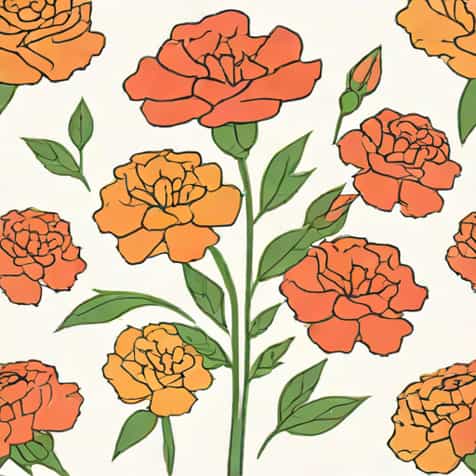
The carnation flower has been cherished for centuries for its delicate beauty, rich colors, and symbolic meanings. Often seen in gardens, bouquets, and ceremonial arrangements, carnations convey a variety of messages depending on their color, cultural context, and occasion. Understanding what the carnation flower means can help people choose the right flowers for gifts, celebrations, or personal expression. Beyond their aesthetic appeal, carnations carry historical, cultural, and emotional significance, making them one of the most versatile and meaningful flowers in the floral world. Their symbolism ranges from love and admiration to remembrance and fascination, reflecting the depth and complexity of human emotions.
Historical Background of Carnations
Carnations, scientifically known as Dianthus caryophyllus, are native to the Mediterranean region and have a long history of cultivation. They have been used in art, religious ceremonies, and celebrations for thousands of years. Ancient Greeks and Romans often incorporated carnations into garlands and wreaths, associating them with love, beauty, and divine favor. Over time, carnations spread to Asia and Europe, where they were cultivated in gardens and used as decorative flowers in homes and public spaces. The historical significance of carnations contributes to their symbolic meanings in modern times, connecting them to tradition, culture, and emotional expression.
Symbolism of Carnations
The meaning of the carnation flower varies depending on color, culture, and context. While they are widely recognized as symbols of love and affection, each shade of carnation has its own connotations
Meaning of Different Carnation Colors
Red Carnations
Red carnations typically symbolize deep love, admiration, and affection. They are often given to express romantic feelings or to show respect and gratitude. In some cultures, red carnations also represent courage and admiration, making them suitable for honoring achievements or milestones.
Pink Carnations
Pink carnations are associated with a mother’s love, gratitude, and gentle affection. They are frequently used in Mother’s Day bouquets and other occasions celebrating family and nurturing relationships. Light pink carnations may also signify admiration and sweetness, while darker shades convey gratitude and appreciation.
White Carnations
White carnations symbolize purity, innocence, and remembrance. They are often used in weddings, memorials, and religious ceremonies to convey sincere emotions and reverence. White carnations can also express loyalty and unconditional love, making them versatile for various occasions.
Yellow Carnations
Yellow carnations typically represent disappointment, rejection, or jealousy in traditional floral symbolism. However, in modern contexts, they can also signify cheerfulness, friendship, and positive energy when used in vibrant arrangements. Understanding the context and intention behind yellow carnations is important to convey the desired message.
Purple Carnations
Purple carnations are associated with capriciousness, fascination, and creativity. They can be given to someone admired for their originality or unique personality. In some interpretations, purple carnations also symbolize wealth, success, and pride.
Cultural Significance of Carnations
Carnations hold cultural and symbolic importance in various parts of the world. In Korea, they are used to honor parents and teachers on special occasions, representing respect and gratitude. In France and other European countries, carnations are popular in funeral arrangements to symbolize remembrance and condolences. In the United States, carnations are commonly used for Mother’s Day, weddings, and formal events, emphasizing love, admiration, and celebration. These cultural associations enrich the overall meaning of carnations, making them a flower that communicates both emotion and tradition.
Carnations in Literature and Art
Throughout history, carnations have appeared in literature, art, and poetry, symbolizing love, beauty, and devotion. Artists often use carnations to convey delicate emotions and aesthetic refinement, while writers employ them as metaphors for passion, innocence, or remembrance. These artistic interpretations have reinforced the flower’s symbolic meanings and cemented its status as a versatile and meaningful bloom.
Use of Carnations in Special Occasions
Carnations are used in many special occasions due to their beauty and symbolic significance. Understanding the meaning behind the flower helps in choosing the right color and arrangement for the event
Weddings
White and pink carnations are popular choices for weddings because they represent purity, love, and admiration. They are often used in bouquets, boutonnieres, and decorations to convey heartfelt emotion and complement other floral arrangements.
Mother’s Day
Pink carnations are a traditional flower for Mother’s Day, symbolizing maternal love, gratitude, and care. Red carnations may also be included to express admiration and deep affection for mothers and maternal figures.
Funerals and Memorials
White carnations are commonly used in funeral arrangements to signify remembrance, loyalty, and reverence. They provide a sense of calm and sincerity, helping convey condolences and respect for the deceased.
Graduations and Celebrations
Red and purple carnations can be used to celebrate achievements and milestones. They convey admiration, pride, and fascination, making them suitable for graduations, promotions, or other accomplishments.
How to Choose Carnations for Meaningful Gifts
When giving carnations as gifts, it is important to consider both color and context to ensure the intended meaning is communicated effectively. Tips for selecting carnations include
- Choose colors based on the message you want to convey, such as pink for gratitude or red for love.
- Consider the recipient’s preferences and cultural background when selecting arrangements.
- Mix different colors for a bouquet to express multiple emotions simultaneously.
- Pair carnations with other flowers to enhance meaning and aesthetic appeal.
- Use high-quality, fresh carnations to ensure long-lasting beauty and impact.
The meaning of the carnation flower is rich and multifaceted, reflecting emotions, cultural traditions, and historical significance. From love and admiration to remembrance and fascination, carnations communicate a wide range of messages depending on their color and context. Red carnations symbolize deep love and respect, pink carnations convey gratitude and maternal affection, white carnations represent purity and remembrance, yellow carnations can signify friendship or caution, and purple carnations suggest creativity and fascination. Their cultural importance, presence in literature and art, and versatility in special occasions make carnations a meaningful and timeless flower. Understanding what the carnation flower means allows individuals to choose flowers thoughtfully, convey emotions effectively, and celebrate life’s moments with symbolic beauty.
Artikel ini* Panjang ~1000 kata.* HTML lengkap dengan `
`, `
`, `
`, `
- `.* Bahasa sederhana dan mudah dipahami, kata kunci **what is the meaning of carnation flower** tersebar alami untuk SEO.Kalau mau, aku bisa buatkan versi tambahan **dengan tips merangkai karangan bunga dengan arti yang tepat** untuk hadiah, pesta, atau acara resmi, supaya lebih praktis untuk pembaca. Apakah mau dibuatkan?