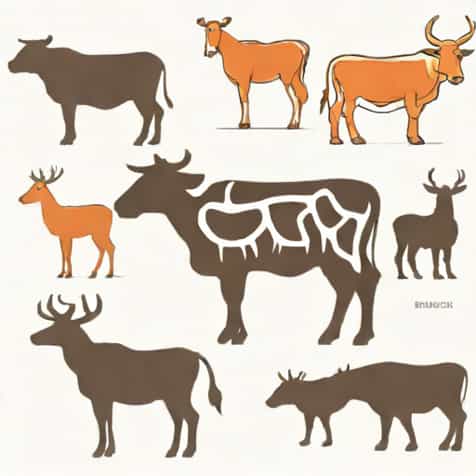
Ruminant animals are a unique group of herbivorous mammals that possess a specialized digestive system designed to break down tough plant materials, such as cellulose, which many other animals cannot digest efficiently. These animals play an important role in agriculture, ecosystems, and human food production because of their ability to convert grasses and other fibrous plants into nutrient-rich products like milk, meat, and leather. Understanding the meaning of ruminant animals involves exploring their anatomy, digestive process, types, and ecological significance, which collectively reveal how these creatures have adapted to thrive on a plant-based diet.
Definition of Ruminant Animals
Ruminant animals are mammals that chew cud and possess a four-chambered stomach designed to ferment plant material before digestion. The term ruminant comes from the Latin wordruminare, which means to chew over again, reflecting the unique behavior of regurgitating partially digested food and chewing it a second time. This process allows ruminants to extract maximum nutrients from fibrous plants and convert them into energy efficiently. Examples of ruminant animals include cows, sheep, goats, deer, and giraffes.
Characteristics of Ruminant Animals
Ruminants share several distinctive characteristics that differentiate them from other herbivores
- Possess a four-chambered stomach consisting of the rumen, reticulum, omasum, and abomasum.
- Chew cud, which involves regurgitating partially digested food and chewing it again.
- Rely on microbial fermentation to break down cellulose and other complex plant materials.
- Have specialized teeth for grinding plant material, including broad molars and premolars.
- Exhibit unique digestive efficiency that allows them to thrive on high-fiber diets.
The Digestive System of Ruminants
The digestive system of ruminant animals is highly specialized and adapted to process fibrous plant matter efficiently. Each of the four stomach chambers plays a unique role in the digestion process.
Rumen
The rumen is the largest stomach chamber and acts as a fermentation vat. It contains millions of microorganisms, including bacteria, protozoa, and fungi, that break down cellulose and other complex carbohydrates into simpler compounds. These microbial actions produce volatile fatty acids, which serve as the primary energy source for the animal.
Reticulum
The reticulum works closely with the rumen to trap larger ptopics of food that need further chewing. It also facilitates the regurgitation process, allowing the animal to bring cud back to the mouth for additional chewing. The reticulum is often referred to as the honeycomb due to its unique internal structure.
Omasum
The omasum is responsible for absorbing water and nutrients from the partially digested food. Its many folds increase surface area, enhancing absorption efficiency. This chamber ensures that ruminants extract as much nutritional value as possible from their plant-based diet.
Abomasum
The abomasum, also known as the true stomach, functions similarly to a monogastric stomach found in non-ruminant animals. It secretes digestive enzymes and acids that further break down proteins and prepare nutrients for absorption in the small intestine.
Behavior Chewing Cud
Chewing cud is a defining behavior of ruminant animals. After initially swallowing partially digested food, ruminants regurgitate it back into the mouth and chew it again. This process, known as rumination, allows the food to be broken down further, increasing surface area for microbial action in the stomach. Chewing cud also stimulates saliva production, which helps maintain the pH balance in the rumen and supports efficient fermentation.
Examples of Ruminant Animals
Ruminant animals are found across the world in diverse habitats, from grasslands to forests. Common examples include
- CowsDomesticated for milk, meat, and leather production. They are one of the most widely recognized ruminants.
- SheepRaised for wool, meat, and milk. They thrive on pastures and grassy terrain.
- GoatsHardy animals that adapt to various environments and provide milk, meat, and fiber.
- DeerWild ruminants that play ecological roles in forest ecosystems by controlling vegetation and serving as prey for predators.
- GiraffesTall herbivores that feed on leaves and shrubs, using their long necks to reach high vegetation.
Importance of Ruminant Animals
Ruminants hold significant ecological, agricultural, and economic importance. Their ability to digest fibrous plants that many animals cannot utilize allows them to occupy unique ecological niches and contribute to ecosystem balance.
Agricultural Importance
Ruminants are crucial in agriculture for producing food and other products. Cows, sheep, and goats provide milk, meat, and wool, which are essential for human nutrition and industry. Their manure is also a valuable natural fertilizer that enriches soil fertility.
Ecological Significance
In the wild, ruminants help maintain vegetation balance and nutrient cycling. By grazing on grasses and shrubs, they prevent overgrowth, promote plant diversity, and contribute to soil health. They also serve as prey for carnivores, sustaining natural food chains.
Economic Value
Ruminant farming supports livelihoods around the world. The global dairy and meat industries rely heavily on ruminant animals, making them economically indispensable. Beyond food production, products like leather, wool, and fiber also have significant market value.
Adaptations of Ruminant Animals
Ruminants have evolved a range of physical and behavioral adaptations to thrive on fibrous diets
- Specialized teeth and jaws for grinding plant material efficiently.
- Complex stomach chambers for microbial fermentation and nutrient absorption.
- Strong limbs for traveling long distances to graze.
- Social behaviors, such as herding, to protect against predators and enhance survival.
- Efficient water and nutrient absorption to survive in various climates and habitats.
Challenges Faced by Ruminant Animals
Despite their adaptations, ruminants face several challenges. Domesticated ruminants are susceptible to overgrazing, diseases, and poor nutrition if not managed properly. Wild ruminants are often threatened by habitat loss, hunting, and climate change, which disrupt their ecosystems and food availability. Conservation efforts and sustainable farming practices are crucial to ensuring their survival and productivity.
Ruminant animals are a fascinating group of herbivores with specialized adaptations that allow them to digest fibrous plants efficiently. Their four-chambered stomach, cud-chewing behavior, and unique digestive process make them distinct from other mammals. They play vital roles in agriculture, ecosystems, and the global economy, providing food, fiber, and ecological balance. Understanding the meaning of ruminant animals sheds light on their biology, behavior, and importance, highlighting how these remarkable creatures have evolved to thrive on a plant-based diet while supporting both natural and human-managed environments.