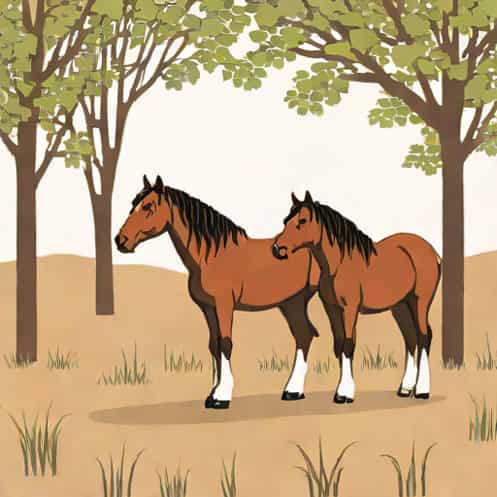
Clydesdale horses are one of the most recognizable and majestic horse breeds in the world, admired for their size, strength, and distinctive feathered legs. These horses have a long and fascinating history, and their origins reveal much about the agricultural and industrial development of their homeland. Known for their calm temperament and versatility, Clydesdales have become iconic symbols in both farming communities and popular culture. Understanding where Clydesdale horses are from helps trace their development, characteristics, and global influence over time.
Origins of the Clydesdale Horse
Clydesdale horses originate from Scotland, specifically from the valley of the River Clyde, in Lanarkshire. The breed was developed in the 18th century to meet the growing need for strong, reliable workhorses capable of heavy farm labor and hauling goods. Farmers and breeders in Scotland sought to create a horse that combined strength, endurance, and a gentle temperament, suitable for pulling plows, wagons, and carts in challenging terrain. By selectively breeding local draft horses with Flemish stallions imported from Belgium, they produced a larger, more powerful horse that retained a cooperative and calm nature.
Development in Scotland
The development of Clydesdales in the Clyde valley was influenced by both environmental and economic factors. Scotland’s damp climate and hilly landscape required horses that were sturdy and resilient. The combination of local mares and imported Flemish stallions resulted in a breed with heavy bone structure, strong legs, and broad shoulders, ideal for working long hours on farms and in industrial settings. By the early 19th century, Clydesdale horses had gained a reputation throughout Scotland for their reliability, beauty, and strength, becoming the preferred draft breed in the region.
Characteristics of Clydesdale Horses
Clydesdales are easily distinguished by their impressive height, typically standing between 16 to 18 hands high, and weighing between 1,600 to 2,400 pounds. They are famous for their feathering-long hair around the lower legs-and their distinctively marked white faces and legs, often called socks or stockings. In addition to their physical attributes, Clydesdales are known for their calm and gentle temperament, which makes them suitable for both heavy work and public exhibitions. These traits helped the breed expand beyond Scottish farms into international recognition.
Uses and Adaptability
Originally bred for farm work and transportation, Clydesdales proved highly adaptable to a variety of tasks. In addition to plowing fields and hauling heavy loads, they were used in the construction industry to move large stones and materials. As transportation methods evolved in the 19th and 20th centuries, Clydesdales found new roles in pulling ceremonial carriages, participating in parades, and performing in shows. Their strength and stamina made them popular in competitions, exhibitions, and even promotional activities by commercial companies, further solidifying their global reputation.
- Agricultural WorkClydesdales were essential for plowing fields and transporting crops.
- Industrial HaulingThey moved heavy goods such as coal, stone, and timber.
- Ceremonial UseTheir impressive appearance made them favorites for parades and events.
- Commercial BrandingCompanies like Budweiser famously used Clydesdales in advertisements and promotions.
- Recreational and Show PurposesToday, they are often featured in horse shows, exhibitions, and competitive events.
Spread Beyond Scotland
From their Scottish roots, Clydesdale horses spread to other parts of the United Kingdom and eventually internationally. In the 19th century, many Clydesdales were exported to North America, Australia, and New Zealand to meet the demands of agriculture and transport. In the United States, breeders developed the breed further to suit local conditions, while preserving their original strength and temperament. Today, Clydesdales can be found around the world, admired both for their historical significance and their continued versatility.
Modern Recognition and Popularity
Modern recognition of Clydesdale horses is largely tied to their impressive size, gentle nature, and distinctive appearance. They are often featured in parades, promotional events, and equestrian competitions. Many enthusiasts and breeders preserve the original Scottish bloodlines to maintain the authenticity of the breed. Organizations dedicated to Clydesdale breeding and promotion, particularly in the United States and Europe, ensure that the legacy of these horses continues for future generations. Their origin in the River Clyde valley remains a point of pride for breeders and historians alike.
Clydesdale horses, originating from Scotland’s Clyde valley, are more than just large draft horses; they are symbols of history, strength, and cultural heritage. Developed in the 18th century for agricultural and industrial work, they became globally recognized for their distinctive feathering, height, and calm temperament. From farm fields in Scotland to parades and shows worldwide, Clydesdales have left a lasting legacy. Their origin and development highlight the importance of selective breeding, environmental adaptation, and the enduring appeal of a horse that combines power with grace. Understanding where Clydesdale horses are from allows us to appreciate not only their historical significance but also their continued influence on equestrian culture today.