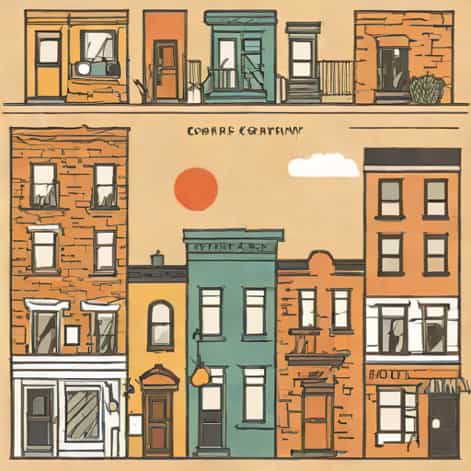
The word gentrify is now commonly used in conversations about cities, housing, and social change. It often appears in discussions about rising rents, shifting neighborhoods, and changing cultural identities. While the effects of gentrification are widely debated, fewer people stop to ask a more basic question where does the word gentrify come from? Exploring its linguistic roots reveals how language evolves alongside social and economic change, and how a single term can capture complex transformations in urban life.
The Basic Meaning of Gentrify
Before examining where the word gentrify comes from, it is helpful to understand what it means today. To gentrify generally refers to the process by which a neighborhood changes as wealthier residents move in, property values rise, and the area becomes more developed or fashionable. This process often leads to the displacement of long-term, lower-income residents.
The word carries strong emotional weight. For some, it signals improvement and investment. For others, it represents inequality and loss of community. This tension is part of what has made the term so powerful and widely used.
The Linguistic Roots of the Word
The origin of the word gentrify is closely tied to the word gentry. The term gentry dates back centuries and refers to a social class, particularly in England. Historically, the gentry were landowners who were below the nobility but above common laborers in social rank.
The word gentry itself comes from the Old French word genterie, which is related to gent, meaning people of good birth. This association with social class and status is essential to understanding how the modern term gentrify developed.
The Role of Social Class in the Word’s Meaning
From its earliest roots, the language behind gentrify has been linked to class distinction. The idea of becoming genteel or refined was associated with wealth, education, and social power. These associations carried over into the modern term.
When the Word Gentrify Was First Used
The word gentrify is relatively modern compared to many English terms. It was first introduced in the 1960s by British sociologist Ruth Glass. She used it to describe changes she observed in London neighborhoods.
Glass noticed that working-class areas were being transformed as middle-class residents moved in, renovated homes, and altered the social fabric. She coined the term gentrification to capture this process, drawing directly on the historical meaning of gentry.
Ruth Glass and Urban Change
Ruth Glass used the word deliberately. By referencing the gentry, she emphasized that this was not just physical redevelopment, but a shift in class power. Her use of the term highlighted how social hierarchies were reshaping cities.
How Gentrify Entered Common Language
After its academic introduction, the word gentrify gradually moved into public discourse. Urban planners, journalists, and activists adopted the term because it provided a clear way to describe a complex phenomenon.
As cities around the world experienced similar changes, the word spread beyond the United Kingdom. By the late twentieth century, it had become a standard part of discussions about urban development in many English-speaking countries.
From Academic Term to Everyday Word
Many words begin in specialized fields before entering everyday language. Gentrify followed this path. As more people experienced the effects of neighborhood change firsthand, they needed language to describe it. The term filled that gap.
Why the Word Gentrify Carries Strong Emotions
Understanding where the word gentrify comes from helps explain why it often sparks intense reactions. Because it is rooted in class distinctions, it naturally brings up issues of fairness, power, and belonging.
The word does not simply describe physical change. It implies a social process in which some groups gain advantages while others lose stability or access to housing.
Positive and Negative Interpretations
Some people use gentrify in a neutral or even positive sense, focusing on improved infrastructure and safety. Others use it critically, emphasizing displacement and cultural loss. The word’s origin in class language makes both interpretations possible.
Related Words and Variations
The term gentrify has led to several related words that expand its usage. These variations help speakers describe different aspects of the process.
- Gentrification the process itself
- Gentrified describing an area that has already changed
- Anti-gentrification movements opposing the process
All of these forms retain the original connection to class and social transformation.
How the Meaning Has Evolved Over Time
When Ruth Glass first introduced the term, it described a specific pattern in London. Over time, the meaning of gentrify expanded to include a wider range of urban changes.
Today, the word is used globally, even in cities with very different histories and housing systems. While the core idea remains the same, local context shapes how the term is understood.
Modern Usage in Different Contexts
In some places, gentrify refers to large-scale redevelopment projects. In others, it may describe smaller cultural shifts, such as new businesses catering to wealthier customers. The flexibility of the word has helped it remain relevant.
Criticism of the Term Gentrify
Despite its usefulness, the word gentrify is not without critics. Some argue that it oversimplifies complex economic forces or places blame on individuals rather than systems.
Others feel that the term has become overused, applied to any neighborhood change regardless of whether displacement is occurring.
Debates About Language and Responsibility
Language shapes how problems are understood. Because gentrify emphasizes class movement, it can influence how people assign responsibility for urban change. These debates show how powerful a single word can be.
Why Knowing the Origin Still Matters
Asking where does the word gentrify come from is not just a linguistic exercise. Understanding its roots helps clarify what the word is meant to describe and why it remains controversial.
Knowing that it was intentionally created to highlight class-based change reminds us that gentrification is not a neutral process, even when it brings visible improvements.
Language as a Reflection of Society
The history of the word gentrify shows how language evolves alongside social realities. As cities change, new words emerge to capture those changes, often carrying the values and concerns of their time.
The word gentrify comes from the older term gentry, rooted in ideas of social class and status. Coined in the 1960s by sociologist Ruth Glass, it was designed to describe the transformation of working-class neighborhoods by more affluent groups.
Over time, gentrify has become a widely used term that captures both physical redevelopment and social tension. Its origin explains why it carries such strong emotional and political meaning today. By understanding where the word gentrify comes from, readers gain deeper insight into both language and the ongoing changes shaping cities around the world.