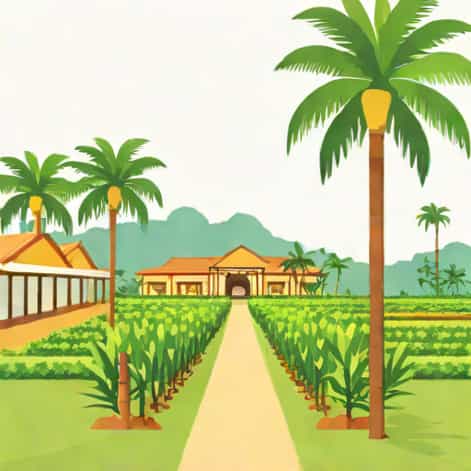
The Dole Plantation in Hawaii is one of the most famous tourist attractions on the island of Oahu, drawing visitors from around the world to explore its vast pineapple fields, educational exhibits, and fun-filled activities. Known for its iconic Pineapple Garden Maze and historical significance, the plantation offers a unique glimpse into Hawaii’s agricultural heritage. Located in a lush, tropical setting, the Dole Plantation has become more than just a place to learn about pineapples; it is a destination for family-friendly entertainment, local history, and a chance to experience the agricultural heart of Hawaii. Understanding its location, features, and history helps travelers plan their visit effectively.
Location of the Dole Plantation
The Dole Plantation is situated on the island of Oahu in Hawaii, in the Wahiawa area. This central location makes it easily accessible from both Honolulu and the North Shore, offering visitors a convenient stop while exploring the island. The plantation’s full address is 64-1550 Kamehameha Highway, Wahiawa, Hawaii 96786. It is nestled in a fertile valley, surrounded by rolling hills and tropical greenery, making it an ideal environment for growing pineapples and other tropical crops.
Directions to the Plantation
Visitors traveling from Honolulu typically take Interstate H-2 north toward Wahiawa. From the highway, the plantation is a short drive along Kamehameha Highway. For those coming from the North Shore, the plantation can be reached via the same highway, providing easy access from popular tourist areas. The plantation offers ample parking and is well-marked, making it easy for first-time visitors to find.
History of the Dole Plantation
The Dole Plantation has a rich history dating back to the early 20th century when the Dole Company, founded by James Dole, began large-scale pineapple cultivation in Hawaii. James Dole, known as the Pineapple King, purchased land in Wahiawa in 1901 and transformed it into one of the world’s largest pineapple plantations. Over the decades, the plantation expanded, introducing innovative farming techniques and becoming a major economic driver for the island. Today, the site functions as both a working agricultural operation and a tourist attraction, preserving Hawaii’s pineapple-growing heritage.
Significance of Wahiawa
Wahiawa, where the Dole Plantation is located, is often called the Pineapple Capital of the World. The area’s fertile soil and favorable climate made it ideal for pineapple cultivation. Historically, the town developed around the pineapple industry, with many local families involved in farming, processing, and shipping pineapples. The Dole Plantation continues to honor this legacy by educating visitors about the history of pineapples in Hawaii and the important role Wahiawa played in the global pineapple market.
Main Attractions at the Dole Plantation
The Dole Plantation is not just about agriculture; it offers a variety of attractions designed for education, fun, and family enjoyment. Visitors can experience interactive exhibits, scenic gardens, and activities that showcase the plantation’s history and pineapple cultivation techniques.
Pineapple Garden Maze
The Pineapple Garden Maze is one of the plantation’s most popular attractions. Covering several acres, it is recognized as one of the largest mazes in the United States. Visitors navigate through winding paths filled with tropical plants and pineapple-themed landmarks. The maze is both fun and educational, as signs throughout provide information about pineapples and Hawaii’s agricultural history.
Train Tour and Plantation Garden
The plantation offers a train tour that takes visitors through the pineapple fields and the surrounding gardens. The tour provides insights into how pineapples are grown, harvested, and processed. Along the way, guests can enjoy scenic views, learn about tropical plants, and see firsthand the scale of pineapple farming in Hawaii. The garden area also features various tropical plants and flowers, providing a beautiful backdrop for photos and leisurely walks.
Pineapple-Themed Activities
Visitors can enjoy a variety of pineapple-themed activities, including tasting fresh pineapples, sampling pineapple ice cream, and shopping for pineapple-related souvenirs. The plantation also offers educational exhibits about the history of pineapples in Hawaii, the Dole Company’s contributions, and the cultural significance of this tropical fruit. These experiences make the plantation a fun and informative destination for people of all ages.
Visiting Information
The Dole Plantation is open to the public daily, with extended hours to accommodate tourists and local visitors. Tickets are available for individual attractions, such as the maze and train tour, or as combination packages that include multiple experiences. The site provides facilities like restrooms, picnic areas, and a gift shop, ensuring a comfortable and enjoyable visit. Planning ahead is recommended, especially during peak tourist seasons, as the plantation attracts large crowds.
Accessibility and Tips
- Arrive early to avoid long lines, particularly at the maze and train tour.
- Wear comfortable shoes for walking, as the plantation grounds and maze require moderate physical activity.
- Bring sun protection, including hats and sunscreen, since much of the plantation is outdoors.
- Take advantage of guided tours for a more informative experience.
Educational Value of the Plantation
Beyond entertainment, the Dole Plantation serves an educational purpose. Visitors learn about sustainable farming practices, the life cycle of pineapples, and the challenges of tropical agriculture. The plantation’s exhibits explain the history of the Dole Company, Hawaii’s agricultural economy, and the cultural significance of pineapples in local cuisine and traditions. This educational focus makes the plantation an ideal field trip destination for students and anyone interested in agricultural history.
Connection to Hawaii’s Culture
The Dole Plantation also highlights Hawaii’s broader cultural heritage. Pineapples became a symbol of hospitality and a key part of local cuisine. By exploring the plantation, visitors gain insight into how agricultural practices shaped community life, local traditions, and Hawaii’s identity as a tropical paradise. The plantation bridges history, culture, and tourism, providing a well-rounded experience for visitors.
The Dole Plantation in Hawaii, located in Wahiawa on the island of Oahu, is a must-visit destination for tourists seeking both fun and education. Its historical significance as a center of pineapple cultivation, combined with modern attractions like the Pineapple Garden Maze and train tours, makes it an engaging experience for visitors of all ages. The plantation offers a glimpse into Hawaii’s agricultural past, the life of James Dole, and the role of pineapples in shaping the local economy and culture. Whether exploring the maze, tasting fresh pineapples, or learning about sustainable farming, visitors leave with a deeper appreciation for Hawaii’s rich heritage and the enduring legacy of the Dole Plantation.