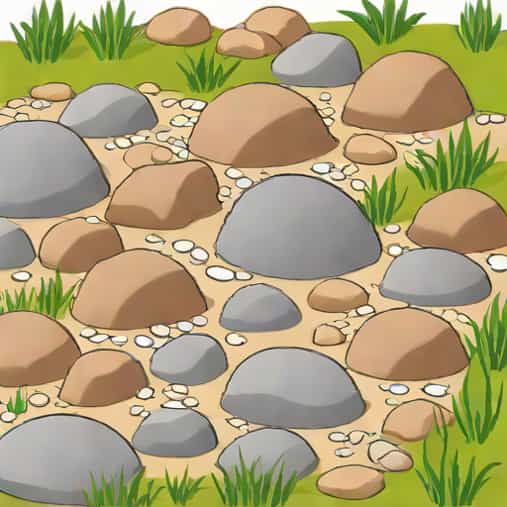
Creating a rockery can transform an ordinary garden into a natural, textured landscape that feels timeless and organic. One of the most common questions beginners and experienced gardeners alike ask is where to get stones for a rockery. The answer depends on budget, location, design goals, and how natural you want the finished space to look. Stones are not just decorative elements; they form the structure, drainage, and visual balance of a rock garden. Choosing the right source can make a significant difference in both appearance and durability.
Understanding the Role of Stones in a Rockery
Before deciding where to get stones for a rockery, it helps to understand why stone selection matters so much. Stones provide stability, define planting areas, and create microclimates for alpine and drought-tolerant plants. The size, color, and texture of the stones influence how natural or formal the rockery appears.
A well-designed rockery uses stones that look as though they belong to the landscape rather than appearing randomly placed. This makes sourcing stones an essential early step in planning.
Using Natural Stone From Your Own Land
If you have access to land with exposed rock or buried stones, this can be one of the most cost-effective options.
Garden and Property Excavation
Many gardeners discover suitable stones while digging foundations, drainage trenches, or garden beds. These stones often match the local geology, helping the rockery blend seamlessly with its surroundings.
Using stones already on your property also reduces transportation costs and environmental impact.
Checking Soil and Size Suitability
Not all stones found on-site are ideal for a rockery. Stones should be solid, weather-resistant, and large enough to anchor plants and soil. Soft or crumbly stones may deteriorate over time.
Local Quarries as a Reliable Source
Local stone quarries are among the most dependable places to get stones for a rockery. They offer a wide range of rock types, sizes, and finishes.
Benefits of Quarry Stone
Quarry stones are usually strong, consistent in quality, and available in bulk. Because they are locally sourced, they often match the regional landscape style.
- Wide choice of sizes and shapes
- Known durability
- Ability to buy in large quantities
Considerations When Buying From Quarries
While quarry stone can be more expensive than salvaged options, it offers reliability. Some quarries may require minimum purchases or charge loading fees.
Landscape Supply Centers
Landscape supply yards are popular sources for gardeners looking for convenience. These centers specialize in materials for outdoor projects, including rockeries.
What You Can Find
Landscape suppliers typically stock decorative stones, boulders, gravel, and edging rocks. Many allow customers to hand-select stones for visual consistency.
Ease of Access
One advantage of landscape centers is accessibility. They are designed for homeowners and often offer delivery services, which is especially useful for heavy stones.
Building and Demolition Salvage
Another creative answer to where to get stones for a rockery is salvage from old buildings, walls, or construction sites.
Reclaimed Stone Sources
Old stone walls, farm structures, or demolished buildings can provide character-rich stone. These stones often have weathered surfaces that add instant age and charm to a rockery.
Permission and Safety
Always ensure you have permission before collecting stones from any site. Safety is also critical, as reclaimed stones can be heavy and irregular.
Garden Centers and Nurseries
Some garden centers and nurseries stock stones specifically intended for rock gardens.
Curated Selection
These stones are often selected to complement plants commonly used in rockeries. Sizes may be smaller, making them suitable for compact gardens.
Higher Cost but Convenience
While prices can be higher, garden centers offer convenience and expert advice, which can be valuable for beginners.
Farmers and Rural Landowners
In rural areas, farmers frequently remove stones from fields to improve cultivation.
Field Stones
Field stones are naturally rounded or irregular and work well in informal rockeries. They often come in a range of sizes.
Arranging Collection
Some farmers are willing to sell or give away stones if you arrange collection. This can be a cost-effective and sustainable option.
Riverbeds and Natural Areas
Rivers and streams naturally shape stones into smooth, attractive forms. However, collecting stones from natural areas requires caution.
Legal and Environmental Concerns
In many regions, removing stones from riverbeds or protected land is illegal. Always check local regulations before considering this option.
Limited Use
If permitted, river stones are best used sparingly as accents rather than structural elements due to their smooth surfaces.
Online Marketplaces and Community Listings
Digital platforms have become increasingly useful for finding stones locally.
Secondhand and Surplus Materials
People often give away or sell excess stones from landscaping projects. These can be ideal for small to medium rockeries.
Inspection Before Purchase
Whenever possible, inspect stones in person to ensure they meet your quality and size requirements.
Choosing the Right Stone Type
Knowing where to get stones for a rockery is only part of the process. Selecting the right type of stone is equally important.
Common Rock Types
- Limestone for a light, classic look
- Sandstone for layered textures
- Granite for durability
- Slate for flat stacking
Consistency and Harmony
Using one main stone type helps create visual harmony. Mixing too many stone styles can make a rockery look cluttered.
Transport and Handling Considerations
Stones are heavy, and transportation should be planned carefully.
Ensure you have appropriate equipment or delivery services to avoid injury and property damage.
Environmental Responsibility
Sourcing stones responsibly is important for environmental protection.
Using local, reclaimed, or surplus stones reduces environmental impact and supports sustainable gardening practices.
Budget Planning for Stone Sourcing
Costs can vary widely depending on the source. Free or low-cost stones may require more labor, while purchased stones offer convenience.
Balancing budget, time, and design goals helps determine the best source.
When asking where to get stones for a rockery, there is no single best answer. The ideal source depends on your location, budget, and desired aesthetic. From local quarries and landscape suppliers to reclaimed materials and on-site finds, each option offers unique advantages. Thoughtful sourcing ensures that your rockery not only looks natural but also stands the test of time. By choosing stones carefully and responsibly, you create a garden feature that feels grounded, authentic, and enduring.