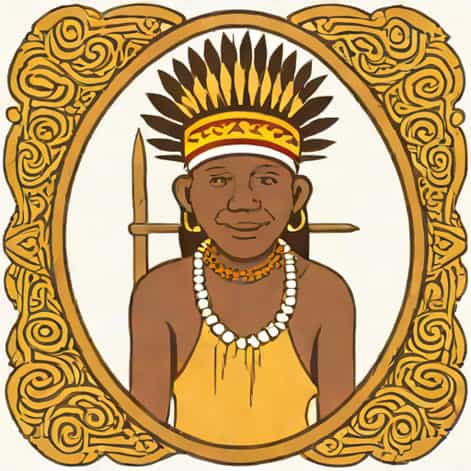
When people ask who is the aborigine of the Philippines, they are often searching for the original inhabitants of the archipelago long before foreign influence and modern nationhood took shape. The Philippines is made up of thousands of islands, and its human history stretches back tens of thousands of years. Understanding the aborigines of the Philippines requires looking at archaeology, anthropology, culture, and the living communities that still exist today. Rather than a single group, the answer involves multiple indigenous peoples who shaped the earliest identity of the islands.
The Meaning of Aborigine in the Philippine Context
The word aborigine generally refers to the earliest known inhabitants of a region. In the Philippine context, it does not point to one tribe or ethnicity but to several groups who lived in the islands long before later waves of migration from Southeast Asia and beyond.
Scholars typically use the term to describe indigenous peoples who maintain cultural, physical, and linguistic traits distinct from later populations. In the Philippines, the most widely recognized aboriginal groups are collectively known as the Negrito peoples.
The Negrito Peoples as the Earliest Inhabitants
The Negrito groups are considered the aborigines of the Philippines by many anthropologists. Archaeological and genetic evidence suggests that their ancestors arrived in the islands tens of thousands of years ago, possibly via land bridges during the last Ice Age.
They are characterized by dark skin, curly hair, and relatively small stature, though there is great diversity among different Negrito communities. These physical traits are adaptations developed over long periods in tropical forest environments.
Major Negrito Groups in the Philippines
There are several distinct Negrito groups spread across the Philippine islands. Each group has its own language, customs, and traditions.
- Aeta (also spelled Ayta or Agta)
- Ati
- Mamanwa
- Batak
- Alta
These groups are found mainly in Luzon, parts of the Visayas, and Mindanao. Despite being grouped under the term Negrito, they are not a single people but many distinct communities.
The Aeta People
The Aeta are one of the most well-known aboriginal groups in the Philippines. They primarily live in mountainous and forested areas of Luzon, particularly near the Zambales Mountains and Mount Pinatubo.
Traditionally, the Aeta practiced hunting, gathering, and small-scale farming. Their deep knowledge of forests, plants, and wildlife reflects a close relationship with nature that developed over thousands of years.
The Ati of the Visayas
The Ati people are considered the aborigines of Panay and neighboring islands in the Visayas. Historical accounts describe them as the earliest inhabitants before later Austronesian settlers arrived.
Today, many Ati communities continue to struggle for land recognition and cultural preservation. Despite challenges, they maintain distinct rituals, music, and oral traditions that connect them to their ancient past.
The Mamanwa and Other Mindanao Groups
In Mindanao, the Mamanwa are among the earliest known inhabitants. They live in forested and coastal areas, particularly in northeastern Mindanao. Like other Negrito groups, they traditionally relied on hunting, fishing, and gathering.
Other smaller aboriginal groups in Mindanao have similar lifestyles but differ in language and social organization, showing the diversity of the earliest Philippine populations.
Arrival of Later Migrants
While Negrito groups are considered the aborigines of the Philippines, they were not the only ancient inhabitants for long. Thousands of years later, Austronesian-speaking peoples migrated to the islands from Taiwan and nearby regions.
These later migrants introduced agriculture, pottery, and seafaring technologies. Over time, they became the majority population of the Philippines, intermixing to some extent with aboriginal groups while also pushing many of them into more remote areas.
Cultural Differences Between Aborigines and Later Groups
Language
Most Negrito groups speak languages that belong to the Austronesian family but contain unique vocabulary and structures. This suggests long periods of interaction while still maintaining cultural identity.
Lifestyle
Aboriginal groups traditionally lived as hunter-gatherers or semi-nomadic communities, while later settlers relied more on farming and permanent villages.
Social Organization
Negrito societies often emphasize egalitarian structures, with less rigid hierarchies compared to later lowland societies.
Modern Challenges Faced by Aboriginal Peoples
Today, the aborigines of the Philippines face numerous challenges, including land displacement, poverty, discrimination, and limited access to education and healthcare.
Development projects, mining, logging, and urban expansion have reduced ancestral lands, threatening traditional ways of life. Despite legal protections, enforcement is often inconsistent.
Efforts to Preserve Aboriginal Identity
In recent decades, there has been growing recognition of indigenous rights in the Philippines. Cultural organizations, educators, and community leaders work to preserve languages, customs, and traditional knowledge.
Festivals, storytelling, and indigenous education programs help raise awareness of the importance of aboriginal heritage within the broader Filipino identity.
Why Understanding Philippine Aborigines Matters
Learning who the aborigine of the Philippines is helps deepen understanding of the country’s complex history. It highlights that Filipino identity did not begin with colonization or recorded history, but with ancient peoples who adapted to the islands long before outside influence.
Recognizing aboriginal communities also promotes respect, inclusion, and cultural diversity in modern society.
So, who is the aborigine of the Philippines? The answer lies in the Negrito peoples, including groups such as the Aeta, Ati, and Mamanwa, who are widely regarded as the earliest inhabitants of the islands. Their ancestors arrived thousands of years ago and developed rich cultures deeply connected to the land.
Although they are now a minority, their presence remains a vital part of Philippine history and identity. Understanding and respecting the aborigines of the Philippines not only honors the past but also supports a more inclusive future for all who call the islands home.