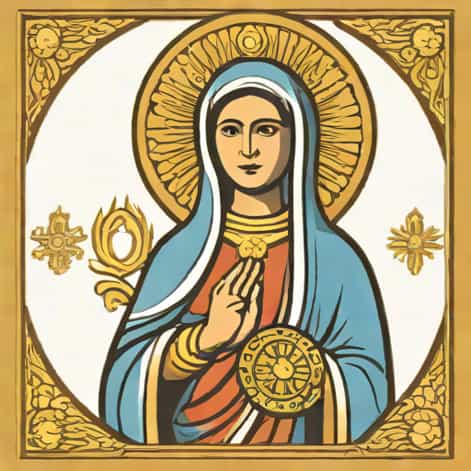
The Philippines is a nation rich in history, culture, and religious devotion. Among the many figures venerated in the country, the patroness holds a special place in the hearts of Filipinos. Revered not only for spiritual guidance but also for cultural significance, the patroness of the Philippines represents hope, protection, and national identity. Her influence can be seen in religious traditions, festivals, and everyday life, reflecting centuries of faith and devotion that have shaped the Filipino way of living.
Who Is the Patroness of the Philippines?
The patroness of the Philippines is the Blessed Virgin Mary under the title of Our Lady of the Immaculate Conception. She has been recognized as the principal patroness of the country by the Catholic Church. The devotion to Mary in this particular title emphasizes purity, grace, and the maternal care she extends to the Filipino people. Her role goes beyond religious veneration; she serves as a symbol of hope, unity, and resilience for the nation.
The History of Marian Devotion in the Philippines
Devotion to the Blessed Virgin Mary began with the arrival of Spanish missionaries in the 16th century. The introduction of Catholicism brought with it the veneration of Mary, who quickly became a central figure in Filipino religious life. Over time, the faithful developed a strong devotion to her under various titles, with the Immaculate Conception eventually being recognized as the country’s patroness.
This recognition was formalized in 1942 when Pope Pius XII declared Our Lady of the Immaculate Conception as the principal patroness of the Philippines. The declaration affirmed centuries of popular devotion and acknowledged the central role of Marian faith in the nation’s spiritual identity. Today, her feast day is celebrated every December 8, drawing millions of Filipinos to churches and shrines nationwide.
Significance of Our Lady of the Immaculate Conception
The title Immaculate Conception refers to Mary being conceived without original sin. This doctrine, defined by the Catholic Church, emphasizes her purity and unique role in salvation history. For Filipinos, this symbolizes protection and moral guidance. Our Lady of the Immaculate Conception is seen as a motherly figure who intercedes for the people, especially in times of hardship or uncertainty.
Her image is commonly displayed in homes, schools, churches, and public spaces. Many Filipinos pray to her for protection, blessings, and guidance. This devotion extends beyond individual prayer, influencing community activities, charitable works, and cultural celebrations throughout the country.
Our Lady of the Immaculate Conception in Filipino Culture
Marian devotion in the Philippines is not only religious but also cultural. Festivals, processions, and prayers dedicated to the patroness highlight her importance in Filipino life. Among the most prominent celebrations is the Feast of the Immaculate Conception, observed every December 8. This day features masses, novenas, and grand processions, particularly in prominent churches such as the Manila Cathedral and the National Shrine of Our Lady of the Immaculate Conception in Intramuros.
In addition to religious observances, the patroness has inspired Filipino art, literature, and music. Many traditional songs, paintings, and sculptures depict her, reflecting her central place in both faith and culture. This integration of devotion and culture helps preserve Filipino identity and strengthens communal bonds.
Symbols Associated with the Patroness
The Blessed Virgin Mary under the title of Our Lady of the Immaculate Conception is often depicted in a variety of symbolic ways. Common symbols include
- A white robe or gown representing purity and holiness
- A crescent moon under her feet symbolizing victory over sin
- A crown or halo indicating her queenship and divine grace
- Stars around her head, often twelve, representing her role in heaven and connection to biblical imagery
These symbols are not only religious but also deeply embedded in Filipino cultural representation. They can be seen in statues, paintings, church decorations, and festival parades, reminding the faithful of her presence and protection.
Role of the Patroness in Filipino Spiritual Life
The patroness serves as an intercessor and guide for Filipinos of all ages. Many families start their day with prayers to her, seeking blessings for health, protection, and prosperity. In times of calamities such as typhoons, earthquakes, or personal crises, devotees turn to her for solace and hope.
Her role extends to community and national events. Processions, mass gatherings, and public prayers are often organized in her honor, strengthening both spiritual and social unity. In this sense, she embodies not only religious devotion but also the collective spirit of resilience and solidarity among Filipinos.
Miracles and Devotion
Many Filipinos attribute personal and communal miracles to the intercession of Our Lady of the Immaculate Conception. Stories of protection during disasters, recovery from illness, and unexpected blessings reinforce her role as the nation’s spiritual mother. These accounts, passed down through generations, help sustain and deepen devotion.
The tradition of lighting candles, offering flowers, and saying novenas are common practices among devotees. These rituals are believed to strengthen one’s spiritual connection with the patroness and invite her guidance into daily life. Pilgrimages to major Marian shrines are also a testament to the enduring importance of her intercession in the Philippines.
Why She Remains Relevant Today
Even in modern times, the patroness continues to hold significance for Filipinos across the country and abroad. Her presence in homes, schools, and public institutions reflects a continued reliance on faith and tradition. As new generations grow up with stories of her protection and miracles, her influence endures.
Her relevance is also seen in the integration of faith and social action. Many charitable organizations, community projects, and outreach programs in the Philippines invoke her guidance, emphasizing moral responsibility, compassion, and service. This connection between spiritual devotion and societal values helps maintain the patroness’s central role in Filipino identity.
The Enduring Legacy of the Patroness
The Blessed Virgin Mary as Our Lady of the Immaculate Conception, patroness of the Philippines, represents more than religious devotion. She embodies protection, guidance, and hope for the Filipino people. From historical roots in Spanish colonial times to modern-day celebrations and practices, her influence permeates Filipino culture, faith, and daily life.
Through her symbols, rituals, and teachings, the patroness inspires resilience, moral integrity, and unity among Filipinos. She serves as a constant reminder of the nation’s spiritual heritage and continues to be a source of comfort and inspiration. The devotion to her illustrates the enduring power of faith and the deep connection between religion and national identity in the Philippines.