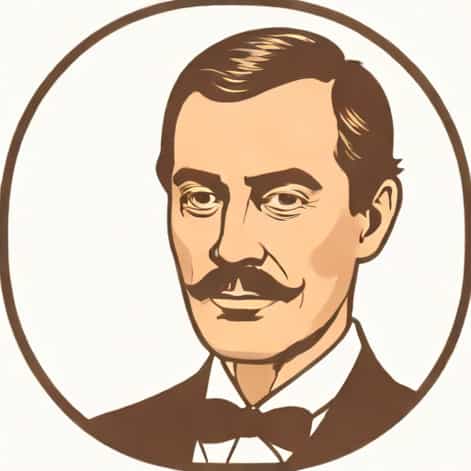
John Jacob Astor was a German-American businessman, investor, and philanthropist who became one of the wealthiest individuals of his time, laying the foundation for the Astor family legacy in the United States. Born on July 17, 1763, in Walldorf, Germany, Astor emigrated to the United States in 1784 at the age of 21, seeking new opportunities in a country that was rapidly expanding both economically and geographically. His early life in Germany was modest, and he brought with him a determination and work ethic that would define his career in America. Astor’s story is emblematic of the classic rags-to-riches narrative, as he built a business empire from humble beginnings and left a lasting mark on American commerce, real estate, and society.
Early Life and Immigration
John Jacob Astor grew up in the small town of Walldorf in the state of Baden-Württemberg, Germany. His family background was modest, with limited financial means, but he received a basic education that included reading, writing, and arithmetic. Driven by ambition, he decided to leave Germany in search of greater economic opportunities. Arriving in New York City in 1784, Astor initially worked as a fur trader, recognizing the growing demand for pelts in both domestic and international markets. His early ventures were small, but he demonstrated a keen ability to identify profitable opportunities and negotiate favorable deals.
Fur Trade and Business Expansion
Astor quickly became involved in the fur trade, an industry that was central to the early American economy. He established the American Fur Company in 1808, which would eventually become one of the largest and most profitable fur enterprises in the United States. Astor’s business strategy included establishing trading posts throughout the country, from the Great Lakes to the western territories, and even extending operations to Canada. By creating a network that facilitated the efficient collection and distribution of furs, Astor was able to dominate the market, outcompeting rivals and securing a significant portion of the lucrative fur trade.
Innovations and Strategies
Astor’s success was not solely based on trade; he was also an innovator in business strategy. He understood the importance of logistics, supply chains, and market information, allowing him to minimize costs and maximize profits. Astor also diversified his investments, including ventures in shipping and real estate, which helped protect his wealth and expand his influence. By combining sharp business acumen with strategic planning, he created a foundation for long-term financial stability and growth.
Real Estate Investments
In addition to the fur trade, John Jacob Astor made significant investments in New York City real estate. He recognized the potential for urban development as the city grew, and he strategically acquired properties that would increase in value over time. Astor’s real estate ventures included the purchase of land in lower Manhattan, which later became some of the most valuable urban property in the world. His foresight in real estate helped solidify his wealth and ensured that the Astor family would remain influential for generations.
Philanthropy and Legacy
John Jacob Astor was also known for his philanthropic efforts, particularly in supporting education and cultural institutions. He donated funds to establish the Astor Library in New York City, which later became part of the New York Public Library system. His contributions helped promote literacy, learning, and access to knowledge for the public. Astor’s legacy extends beyond his business accomplishments, as he used his wealth to benefit society and support the development of cultural and educational infrastructure in the United States.
Family and Personal Life
Astor married Sarah Todd in 1789, and together they had several children who would continue the Astor family legacy. His descendants became prominent figures in American society, involved in business, philanthropy, and social life. The Astor family name became synonymous with wealth, influence, and prestige, partly due to John Jacob Astor’s vision, entrepreneurship, and strategic investments. Despite his immense wealth, Astor was known for his disciplined lifestyle and careful financial management, qualities that contributed to his long-term success.
Death and Posthumous Influence
John Jacob Astor passed away on March 29, 1848, in New York City, leaving an estate valued at over $20 million, making him one of the wealthiest individuals in the world at the time. His death marked the end of an era but the beginning of a lasting family legacy. Astor’s business principles, investment strategies, and philanthropic initiatives influenced subsequent generations of entrepreneurs and philanthropists. The institutions he supported and the properties he acquired continued to play a significant role in New York City’s development and in shaping American society more broadly.
John Jacob Astor’s life story exemplifies the possibilities of ambition, strategic thinking, and perseverance. From his modest beginnings in Germany to his rise as a dominant figure in the American fur trade and real estate market, Astor built an empire that endured long after his death. His investments, philanthropic efforts, and family legacy reflect a multidimensional impact on both economic and cultural life in the United States. Understanding John Jacob Astor’s contributions provides insight into the early American economy, the role of immigrant entrepreneurs, and the enduring influence of visionary leadership.