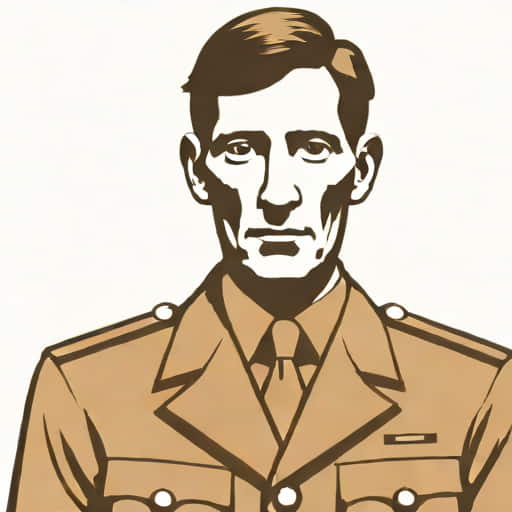
Siegfried Sassoon was an English poet, soldier, and memoirist whose life and work were deeply intertwined with the experiences of World War I. Born on September 8, 1886, in Weirleigh, Kent, England, Sassoon came from a wealthy and socially prominent family. His upbringing combined privilege with exposure to literature, art, and a strong sense of duty, which would later shape his path as both a soldier and a writer. Sassoon’s poetry and prose are renowned for their vivid depiction of the horrors of trench warfare, his outspoken criticism of the military establishment, and his personal struggles with the moral and psychological costs of war. Through his art and activism, Sassoon left a lasting imprint on English literature and the cultural understanding of war.
Early Life and Education
Siegfried Sassoon grew up in a family that valued education and cultural refinement. He attended the prestigious Marlborough College, where he developed an early interest in poetry and writing. His exposure to the works of classic and contemporary poets inspired him to cultivate his own literary voice. After completing his formal education, Sassoon traveled in Europe and gained firsthand experiences that broadened his worldview. His early writings reflected a sensitivity to beauty, nature, and the complexities of human emotion, setting the stage for his later, more intense reflections on war and society.
Military Career
With the outbreak of World War I in 1914, Sassoon enlisted in the British Army, driven by a sense of patriotic duty. He was commissioned as a second lieutenant in the Royal Welch Fusiliers and soon found himself on the front lines in France. Sassoon quickly distinguished himself for his bravery, earning the Military Cross for acts of valor. However, his firsthand experiences of trench warfare, the widespread suffering of soldiers, and the impersonal nature of military command deeply affected him. These experiences became central to his literary work, providing raw material for poetry that would capture both the physical and emotional realities of combat.
Poetry and Anti-War Sentiment
Sassoon’s poetry evolved significantly during the war, moving from early patriotic and romantic themes to a stark, unflinching critique of the conflict. Works such as Counter-Attack and The Rear-Guard depict the brutality of trench life, the fear and trauma endured by soldiers, and the futility of many military actions. In 1917, Sassoon publicly expressed his opposition to the continuation of the war in a letter to his commanding officer, denouncing it as morally unjust and calling for an end to needless slaughter. This act of protest was controversial, reflecting both his courage and his moral conviction. The letter and his subsequent writings solidified his reputation as a leading voice in anti-war literature.
Hospitalization and Recovery
Following his protest, Sassoon was sent to Craiglockhart War Hospital in Edinburgh, ostensibly for treatment of shell shock. It was there that he met fellow poet Wilfred Owen, who would become one of the most famous war poets of the period. Sassoon provided mentorship and encouragement to Owen, influencing his development and helping him refine his own poetic expression. The time at Craiglockhart was pivotal, allowing Sassoon to process his experiences, explore the psychological effects of war, and translate his trauma into profound literary works.
Post-War Life and Literary Career
After the war, Sassoon continued to write poetry, memoirs, and essays that reflected on his wartime experiences, personal growth, and social observations. His prose works, including Memoirs of a Fox-Hunting Man and Memoirs of an Infantry Officer, combined autobiographical elements with vivid depictions of English life and the psychological toll of conflict. Sassoon also became increasingly involved in social and literary circles, connecting with other writers, artists, and intellectuals of his era. His later poetry retained a contemplative tone, exploring themes of memory, loss, identity, and the enduring consequences of war.
- Born September 8, 1886, in Kent, England
- Educated at Marlborough College
- Served as a soldier in the Royal Welch Fusiliers during World War I
- Received the Military Cross for bravery
- Known for anti-war poetry and public protest against World War I
- Mentored fellow poet Wilfred Owen at Craiglockhart War Hospital
- Authored memoirs and poetry reflecting on war, society, and personal experience
- Continued literary work throughout post-war life until his death in 1967
Legacy and Influence
Siegfried Sassoon’s literary contributions have had a lasting impact on the understanding of World War I and the role of war in human experience. His poetry is celebrated for its vivid imagery, emotional honesty, and moral clarity. Sassoon’s willingness to confront the realities of war and critique established authority inspired subsequent generations of writers, poets, and scholars. His works remain central to English literature curricula and are frequently studied for their artistic merit, historical significance, and insight into human courage and suffering. Beyond literature, Sassoon’s life exemplifies the tension between duty and conscience, personal bravery, and the enduring human need to bear witness.
Recognition and Cultural Commemoration
Throughout the 20th century and into the 21st, Sassoon has been commemorated for his contributions to literature and his moral courage. His poetry continues to be published, anthologized, and performed, and adaptations of his memoirs have appeared in theater and film. Monuments and plaques in England honor his life and work, while literary societies and academic institutions study and celebrate his influence. His example serves as a reminder of the power of words to convey truth, challenge injustice, and preserve the memory of human experience in times of profound crisis.
Siegfried Sassoon was more than a soldier or poet; he was a witness to the profound human costs of war and a chronicler of the emotional and ethical dilemmas it imposes. From his privileged upbringing and rigorous education to his courageous service on the front lines and his bold literary protest against the war, Sassoon’s life encapsulates the complexities of moral courage, artistic expression, and personal integrity. His poetry and prose continue to resonate, offering insights into the human condition, the nature of conflict, and the enduring power of literature to shape cultural understanding. Today, Siegfried Sassoon remains a seminal figure in both war literature and the broader history of 20th-century English letters, inspiring reflection, empathy, and admiration for his unwavering dedication to truth and art.