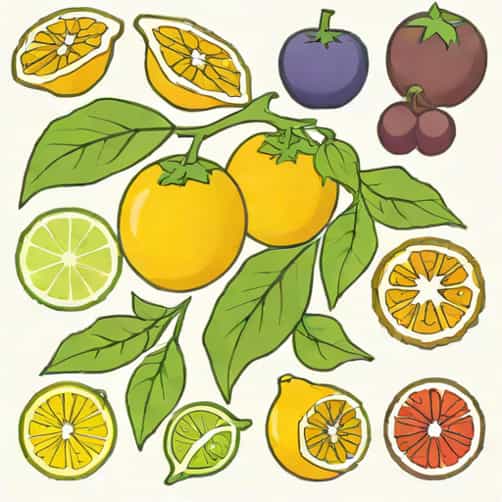
The yellow fruit nightshade, also known as Solanum xanthocarpum or yellow berried nightshade, is a small perennial plant recognized for its bright yellow fruits and medicinal qualities. This plant, commonly found in tropical and subtropical regions, has been used for centuries in traditional medicine systems such as Ayurveda and Siddha. While it belongs to the same family as tomatoes and eggplants, the yellow fruit nightshade is primarily valued for its therapeutic benefits rather than its taste. In this topic, we will explore the many health benefits, uses, and safety considerations of yellow fruit nightshade, as well as its role in natural healing practices.
Understanding Yellow Fruit Nightshade
The yellow fruit nightshade is a hardy shrub that typically grows in dry and semi-arid climates. It produces small, round, yellow fruits that resemble miniature tomatoes. These fruits contain active compounds like alkaloids, saponins, flavonoids, and glycosides, which contribute to its wide range of medicinal effects. The entire plant-roots, leaves, stems, and fruits-is utilized in various herbal preparations, either dried, powdered, or extracted into oils and tonics.
Traditional Uses in Herbal Medicine
For generations, the yellow fruit nightshade has played an important role in folk and Ayurvedic medicine. It is believed to balance the body’s internal energies and promote overall health. Traditional healers use it to address respiratory issues, digestive problems, and inflammatory conditions. Because of its bitter and pungent taste, it is often combined with other herbs to enhance its effectiveness and reduce its intensity.
- Treatment for asthma and coughs
- Relief for urinary tract infections
- Support for liver and kidney function
- Control of fever and inflammation
Health Benefits of Yellow Fruit Nightshade
1. Respiratory Health
One of the most well-known benefits of yellow fruit nightshade is its positive effect on respiratory conditions. The plant has natural expectorant and bronchodilator properties, which help in clearing mucus and easing breathing. Herbal preparations containing its fruit and root powder are often used to manage chronic cough, asthma, bronchitis, and nasal congestion. Regular use under guidance may strengthen the respiratory system and reduce the frequency of infections.
2. Anti-inflammatory and Pain Relief
The plant contains potent anti-inflammatory compounds that help soothe pain and swelling in conditions such as arthritis, gout, and muscle injuries. Applying a paste made from the roots or leaves can provide localized relief for joint pain or skin irritation. Its natural analgesic qualities also make it useful for headaches and menstrual discomfort.
3. Digestive Support
Yellow fruit nightshade promotes better digestion by stimulating the secretion of digestive enzymes and bile. It helps alleviate indigestion, bloating, and constipation. Because of its mildly bitter nature, it can also improve appetite and balance gut bacteria. In traditional medicine, it is sometimes used to eliminate intestinal worms and parasites, keeping the digestive system clean and efficient.
4. Liver Protection
The fruit of the yellow nightshade is believed to help detoxify the liver and prevent damage from toxins. Studies have suggested that it enhances liver enzyme activity and supports the regeneration of liver cells. This makes it beneficial for those dealing with fatty liver disease or recovering from excessive alcohol or medication use.
5. Urinary Tract and Kidney Health
Another significant benefit of yellow fruit nightshade is its diuretic effect, which helps increase urine output and flush out toxins. This property supports kidney health and reduces the risk of urinary tract infections. In traditional formulations, it is often combined with other diuretic herbs to treat kidney stones and urinary difficulties.
6. Immune System Support
Regular intake of yellow fruit nightshade, in small and controlled amounts, can help boost immunity. The antioxidants found in the fruit combat free radicals, protecting cells from oxidative damage. This contributes to better disease resistance and overall vitality, particularly during seasonal changes when the immune system is more vulnerable.
7. Skin Health and Wound Healing
The plant’s antibacterial and antifungal properties make it useful for treating minor wounds, skin infections, and rashes. Applying crushed fruit or leaf extracts directly to the skin may help speed up healing and prevent infections. Its natural cleansing ability also makes it a common ingredient in herbal skincare formulations.
How to Use Yellow Fruit Nightshade
There are several ways to use yellow fruit nightshade depending on the desired effect. It can be taken internally as a powder, decoction, or capsule, or applied externally as a paste or oil. However, it is important to follow proper dosage guidelines, as excessive consumption can lead to side effects due to the presence of alkaloids.
- Powder formDried fruits or roots are ground and taken with honey or warm water.
- DecoctionBoiling the fruit or root in water and consuming the filtered liquid for respiratory or digestive issues.
- Oil or pasteUsed externally for skin conditions or joint pain.
Before using yellow fruit nightshade as a supplement or herbal remedy, it is advisable to consult a qualified herbalist or healthcare professional. They can determine the correct dosage and ensure it does not interact with any existing medications.
Safety and Precautions
Although the yellow fruit nightshade offers many health benefits, it should be used cautiously. The plant contains solanine, a natural alkaloid that can be toxic in large amounts. Overconsumption may cause nausea, vomiting, or dizziness. Pregnant and breastfeeding women should avoid it unless prescribed by a professional. Always source the herb from reputable suppliers to ensure it is properly processed and free from contaminants.
Scientific Interest and Ongoing Research
Modern researchers have taken an interest in yellow fruit nightshade for its pharmacological potential. Studies are being conducted to understand its antioxidant, antimicrobial, and anti-cancer properties. Early findings suggest that certain extracts from the fruit and roots may inhibit the growth of harmful bacteria and even slow down the progression of some chronic diseases. However, further research is needed to establish its efficacy and safety for long-term use.
Growing and Harvesting Yellow Fruit Nightshade
For those interested in cultivating this medicinal plant, yellow fruit nightshade is relatively easy to grow. It thrives in well-drained soil with plenty of sunlight and minimal watering. The fruits are typically harvested when they turn bright yellow, indicating peak ripeness. Both the fruits and roots can be dried and stored for later use in herbal preparations.
The yellow fruit nightshade is a remarkable plant that bridges the gap between traditional wisdom and modern science. With its broad range of benefits-from respiratory relief to liver protection-it continues to be valued in herbal medicine practices around the world. However, like all powerful herbs, it must be used with knowledge and care. Understanding its uses, proper preparation, and potential side effects allows one to safely experience the full benefits of this ancient healing plant.