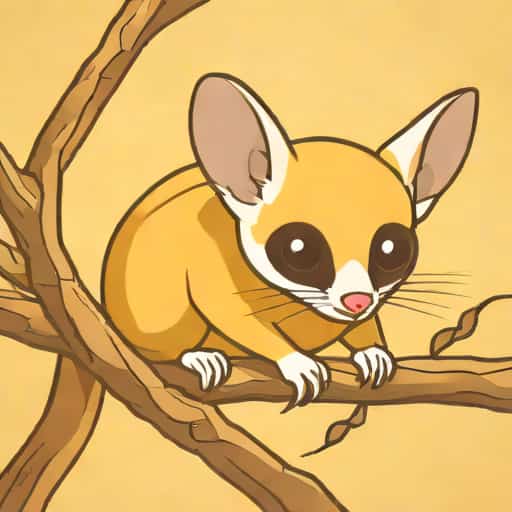
The yellow sugar glider is a captivating and rare variation of the popular sugar glider, known for its unique golden-yellow coloration and charming personality. Sugar gliders are small, nocturnal marsupials native to Australia, Indonesia, and Papua New Guinea, and they are prized as exotic pets for their intelligence, playful nature, and social behavior. The yellow sugar glider, sometimes referred to as a gold sugar glider, stands out from the typical gray sugar glider due to its striking yellow or cream-colored fur, which makes it an eye-catching and highly sought-after companion. These animals require dedicated care, proper diet, and enrichment to thrive in a domestic environment, making them suitable for experienced pet owners who are committed to providing the attention and care they deserve.
Appearance and Physical Characteristics
The yellow sugar glider exhibits a soft, pale yellow to golden fur that covers most of its body, with some variations in shading depending on genetics and breeding. Its large, dark eyes are characteristic of sugar gliders, providing excellent night vision for their nocturnal activities. The patagium, a gliding membrane extending from the wrists to the ankles, allows the glider to glide gracefully between branches or across spaces in captivity when encouraged. These marsupials are small, typically weighing between 100 to 160 grams and measuring about 24 to 30 centimeters from head to tail. The combination of their compact size, bright fur, and expressive eyes contributes to their charm and makes them popular among exotic pet enthusiasts.
Behavior and Temperament
Yellow sugar gliders are highly social animals, thriving in pairs or small groups to prevent loneliness and stress. They are nocturnal, meaning they are most active during the night, engaging in activities such as climbing, gliding, and foraging. Sugar gliders are intelligent and can develop bonds with their human caregivers, often seeking attention, interaction, and play. They communicate through a combination of vocalizations, scent markings, and body language. Understanding their nocturnal habits and social needs is crucial for owners to create a suitable environment that promotes physical and mental well-being.
Diet and Nutrition
Providing a balanced diet is essential for the health of yellow sugar gliders. In the wild, they primarily consume nectar, fruits, insects, and small vertebrates. In captivity, their diet should include a combination of fresh fruits, vegetables, insects, and specially formulated sugar glider pellets or supplements. Protein is particularly important, and mealworms, crickets, or boiled eggs can be provided to meet this requirement. Avoid feeding them foods high in fat or sugar, as these can lead to health issues such as obesity or nutritional deficiencies. Fresh water should always be available, and diets should be varied to mimic natural nutrition as closely as possible.
Common Health Concerns
Yellow sugar gliders are generally healthy when provided with proper care, but they are susceptible to certain conditions. Nutritional deficiencies, particularly calcium and protein imbalances, can lead to metabolic bone disease. Obesity is another concern if their diet is not properly regulated. Dental health can also be affected by improper feeding. Regular veterinary checkups with a specialist familiar with exotic animals are recommended to monitor health and prevent illness. Observing behavioral changes, such as decreased activity or altered eating patterns, can help owners identify potential health issues early.
Housing and Environmental Needs
Creating a safe and stimulating environment is vital for the well-being of yellow sugar gliders. A spacious cage with vertical climbing opportunities, branches, and gliding platforms is ideal. The cage should be equipped with nesting pouches or sleeping areas to provide a sense of security. Sugar gliders are active and curious, so toys, ropes, and exercise wheels can help prevent boredom and promote mental stimulation. Temperature and humidity should be maintained within a comfortable range, typically around 24-28°C (75-82°F), to replicate their natural habitat. Proper hygiene, including regular cleaning of the cage and accessories, is essential to prevent disease and maintain a healthy living space.
Social Interaction
Yellow sugar gliders require daily interaction and bonding time with their human caregivers to build trust and prevent stress. Gentle handling, talking softly, and offering treats can encourage bonding. Pairing sugar gliders together is recommended because they are naturally social creatures and thrive in the company of other gliders. Lack of socialization can result in behavioral issues such as aggression, anxiety, or excessive vocalization. Observing their social cues and responding appropriately is key to maintaining a harmonious and healthy relationship with these exotic pets.
Breeding and Reproduction
Breeding yellow sugar gliders requires experience and careful planning. These marsupials have a unique reproductive system, with females possessing a pouch in which they carry and nurture their young. Gestation is relatively short, around 16 days, followed by a period of development in the pouch lasting approximately 60-70 days. Proper nutrition, a safe environment, and minimal stress are crucial for successful breeding and the health of both parents and joeys. Because of the rarity of the yellow coloration, breeding programs often focus on maintaining genetic diversity while preserving the distinct yellow traits.
Legal Considerations
Owning yellow sugar gliders may be subject to regulations depending on the country, state, or local jurisdiction. Some regions require permits for exotic pets, while others may restrict ownership entirely. Prospective owners should research local laws before acquiring a yellow sugar glider to ensure compliance with legal requirements. Responsible ownership also includes understanding the long-term commitment, as sugar gliders can live for 10-15 years in captivity with proper care.
Care Tips for Owners
Providing optimal care for yellow sugar gliders involves attention to diet, socialization, housing, and health. Key care tips include
- Providing a balanced diet rich in protein, fruits, and vegetables.
- Maintaining a spacious cage with climbing and gliding opportunities.
- Ensuring daily social interaction and bonding with caregivers.
- Monitoring health and seeking veterinary care when needed.
- Maintaining cleanliness and proper temperature in the habitat.
- Pairing gliders for social enrichment if possible.
The yellow sugar glider is a unique and captivating exotic pet that combines beauty, intelligence, and social charm. Its rare golden coloration, nocturnal activity, and playful behavior make it an appealing choice for experienced pet owners who are committed to providing proper care. Maintaining a balanced diet, safe housing, social interaction, and regular health monitoring are essential to ensure the well-being of these marsupials. With proper attention and dedication, yellow sugar gliders can thrive in captivity, offering years of companionship and fascination. Their striking appearance and engaging personalities make them a standout among exotic pets, adding warmth, color, and energy to any home.