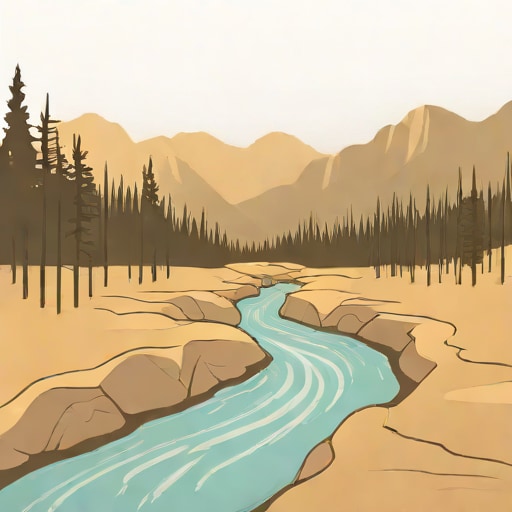
The Yellowstone Continental Divide is a fascinating geological feature that plays a crucial role in shaping the landscape, hydrology, and ecology of Yellowstone National Park and its surrounding regions. This divide represents a portion of the larger Continental Divide of North America, which separates waters flowing to the Pacific Ocean from those draining into the Atlantic Ocean. In Yellowstone, the Continental Divide winds through mountains, valleys, and river basins, influencing the park’s rivers, lakes, and ecosystems. Hikers, geologists, and nature enthusiasts are drawn to this natural boundary for its striking vistas, diverse wildlife, and unique geological formations. Understanding the Yellowstone Continental Divide provides insight into water flow patterns, environmental processes, and the natural history of one of the United States’ most iconic national parks.
Geography and Location
The Yellowstone Continental Divide passes through the western portion of Yellowstone National Park, extending into parts of Montana, Wyoming, and Idaho. The divide follows high ridges and mountain peaks, creating a natural boundary that directs water flow in opposite directions. Streams and rivers on the west side of the divide generally flow toward the Pacific Ocean, while those on the east side ultimately reach the Gulf of Mexico or the Atlantic Ocean. The terrain along the divide is diverse, featuring alpine meadows, rugged mountains, volcanic plateaus, and forested valleys. This varied geography contributes to the park’s rich biodiversity and offers numerous opportunities for exploration and study.
Hydrological Significance
The Yellowstone Continental Divide has a major impact on the hydrology of the park. Its role in directing water flow affects river systems, watersheds, and aquatic habitats. Key rivers influenced by the divide include the Yellowstone River, Snake River, and Madison River, each supporting diverse ecosystems and providing critical water resources for wildlife. The divide also contributes to the formation of lakes, wetlands, and thermal features by controlling drainage patterns. Hydrologists and environmental scientists study these water systems to understand their seasonal variations, sediment transport, and ecological dynamics, highlighting the importance of the Continental Divide in sustaining Yellowstone’s aquatic environments.
Geological Features
The Yellowstone Continental Divide is shaped by complex geological processes, including volcanic activity, tectonic movement, and glaciation. The park itself is home to the Yellowstone Caldera, one of the largest active volcanic systems in the world, and the divide’s location interacts with volcanic and geothermal features. Glacial activity has carved valleys and deposited moraines that influence the path of the divide, while faulting and uplift have created ridges and peaks along its course. Rocks along the divide range from ancient sedimentary formations to volcanic basalt and rhyolite, providing a rich geological record for researchers and visitors interested in Earth’s history.
Wildlife and Ecosystems
The areas surrounding the Yellowstone Continental Divide support a diverse array of wildlife and plant communities. Elevation changes and the divide’s influence on water flow create distinct habitats that are home to elk, bison, bears, wolves, and numerous bird species. Alpine meadows near the divide host wildflowers and grasses adapted to cooler temperatures and high altitudes, while forested slopes provide shelter for large mammals and small woodland creatures. The divide’s impact on hydrology ensures that wetlands, rivers, and lakes support amphibians, fish, and aquatic invertebrates. Conservation efforts focus on protecting these ecosystems and maintaining connectivity for wildlife movement across the park.
Recreational Opportunities
The Yellowstone Continental Divide offers numerous recreational opportunities for visitors seeking adventure and natural beauty. Hiking and backpacking trails often follow the divide, providing access to panoramic views, pristine wilderness areas, and remote corners of the park. Popular activities include
- Day hikes along high ridges to observe wildlife and landscapes.
- Backpacking trips that traverse the divide and explore multiple watersheds.
- Photography and nature observation, taking advantage of scenic vistas and diverse ecosystems.
- Educational tours led by park rangers to learn about hydrology, geology, and ecology.
- Winter activities such as snowshoeing and cross-country skiing in areas influenced by the divide.
These opportunities allow visitors to experience the park’s natural features while gaining an appreciation for the role of the Continental Divide in shaping the environment.
Historical and Cultural Importance
The Yellowstone Continental Divide has long held significance for Indigenous peoples, explorers, and settlers. Native American tribes historically used the rivers and valleys surrounding the divide for hunting, fishing, and seasonal migration. Early explorers and trappers relied on the divide’s ridges and waterways for navigation and resource discovery. Today, the divide continues to be a symbol of natural heritage and a focus for educational programs that highlight the interplay between humans and the environment. Cultural preservation efforts aim to honor these traditions while promoting sustainable tourism and public awareness of Yellowstone’s landscapes.
Environmental Challenges
While the Yellowstone Continental Divide is a relatively stable natural feature, it faces environmental challenges that affect water flow, ecosystems, and visitor access. Climate change influences snowpack, river flow, and precipitation patterns, potentially altering the divide’s hydrological function. Human activities, including recreation and nearby land development, can impact wildlife habitats and soil stability. Invasive species threaten native plant and animal communities, requiring ongoing management and monitoring. Park authorities implement conservation measures, habitat restoration projects, and visitor education programs to protect the integrity of the divide and its surrounding ecosystems.
Scientific Research
The Yellowstone Continental Divide serves as a natural laboratory for scientists studying hydrology, geology, climate change, and ecology. Researchers monitor river flow, sediment transport, and water quality to understand environmental processes and predict future changes. Geological studies focus on volcanic activity, fault systems, and glacial history to reconstruct the region’s geological evolution. Ecologists and wildlife biologists investigate species distribution, habitat connectivity, and ecosystem health along the divide. This research informs management strategies that balance conservation, recreation, and scientific inquiry, ensuring that Yellowstone remains a protected and resilient landscape.
The Yellowstone Continental Divide is a remarkable natural feature that influences the park’s rivers, landscapes, and ecosystems while offering recreational, scientific, and educational opportunities. Its role in directing water flow, shaping geological formations, and supporting diverse habitats makes it a critical element of Yellowstone National Park. Visitors can explore the divide through hiking, photography, and wildlife observation, gaining a deeper understanding of the natural processes that define the region. By appreciating its hydrological, geological, and ecological significance, we can recognize the Yellowstone Continental Divide not only as a physical landmark but also as a vital component of the park’s heritage and environmental health. Preservation efforts and ongoing research ensure that future generations will continue to experience and learn from this iconic feature of North America’s landscape.