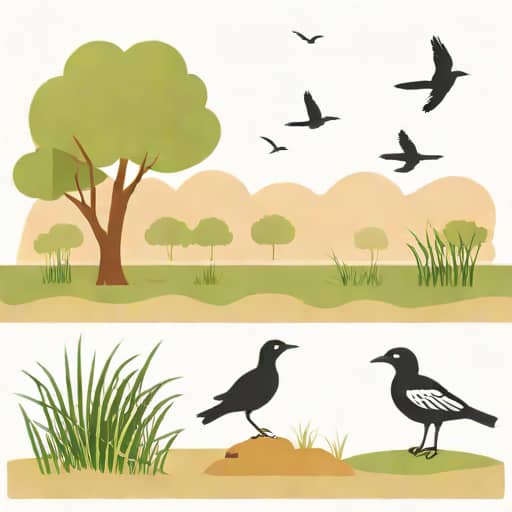
Okhla Bird Sanctuary is one of the most significant and well-known protected wetlands in India, located in the southern part of Delhi along the banks of the Yamuna River. Spanning over 3.5 square kilometers, this sanctuary serves as a crucial habitat for a variety of resident and migratory bird species. It attracts birdwatchers, nature enthusiasts, and researchers from across the country and abroad due to its rich biodiversity and ecological importance. The sanctuary provides a vital refuge for birds in an urban landscape, offering opportunities for recreation, education, and environmental awareness. Visiting Okhla Bird Sanctuary allows individuals to experience the beauty of nature, witness the behavior of various avian species, and understand the importance of conserving wetlands and biodiversity in a rapidly urbanizing area.
History and Establishment
Okhla Bird Sanctuary was officially established in 1990 to protect the wetland ecosystem and the diverse bird population that depends on it. Before its establishment, the area was already recognized as an important habitat for migratory birds arriving from regions such as Siberia, Europe, and Central Asia. The sanctuary was created to provide legal protection to the wetlands, restrict industrial and urban encroachment, and promote conservation efforts. Over the years, it has developed into a hub for ecological studies and a key component of Delhi’s natural landscape, demonstrating the importance of urban biodiversity conservation.
Key Objectives of Establishment
- Preserve wetland habitats for migratory and resident birds.
- Prevent urban and industrial encroachment along the Yamuna River.
- Promote environmental education and awareness among the public.
- Provide a space for ecological research and biodiversity studies.
- Maintain ecological balance in the surrounding urban environment.
Location and Accessibility
Okhla Bird Sanctuary is located in the southeastern part of Delhi, near the Noida border, making it accessible to residents of both Delhi and neighboring Uttar Pradesh. It is situated along the Yamuna River, which forms a critical part of its wetland ecosystem. The sanctuary can be reached via road, with multiple public transport options available, including buses and taxis. Its proximity to major cities makes it a convenient destination for day trips, school excursions, and birdwatching tours. Accessibility is enhanced by clearly marked entrances and designated visitor areas within the sanctuary.
Nearby Attractions
- Yamuna River banks and scenic walking trails.
- Educational centers and eco-parks within the sanctuary.
- Adjacent urban areas offering hotels and restaurants for visitors.
- Other nearby natural reserves and parks in Delhi.
Biodiversity of Okhla Bird Sanctuary
The sanctuary is home to a remarkable diversity of bird species, making it a haven for ornithologists and bird enthusiasts. Resident birds include herons, egrets, kingfishers, and parrots, while migratory species such as Siberian ducks, waders, and flamingos visit during the winter months. The wetlands, marshes, and mudflats provide ideal breeding, nesting, and feeding grounds for these birds. In addition to birds, the sanctuary supports a variety of fish, amphibians, reptiles, and insects, contributing to the overall ecological richness of the region.
Common Bird Species
- Painted Stork and Asian Openbill
- Kingfisher and Common Moorhen
- Greater Flamingo and Northern Shoveler
- Black-winged Stilt and Cormorants
- Various species of ducks, waders, and waterfowl
Other Wildlife
- Fish species inhabiting the wetlands
- Frogs, turtles, and other amphibians
- Insects and dragonflies supporting the ecosystem
- Occasional sightings of small mammals in the surrounding areas
Ecological Importance
Okhla Bird Sanctuary plays a critical role in maintaining ecological balance in the urban environment. Wetlands act as natural water filters, absorbing pollutants and sediments from the Yamuna River while providing breeding grounds for aquatic organisms. The sanctuary also helps in flood control, groundwater recharge, and maintaining local climate stability. Migratory birds use the sanctuary as a resting and feeding stop during their long journeys, making it an essential part of the migratory route network in Asia. Conservation of the sanctuary ensures the protection of these ecological functions while promoting urban biodiversity.
Environmental Benefits
- Water purification and nutrient cycling in wetlands
- Support for migratory bird populations across continents
- Maintenance of urban biodiversity and natural habitats
- Climate moderation and air quality improvement in surrounding areas
- Flood control and groundwater replenishment
Visitor Information
The sanctuary welcomes visitors throughout the year, although the peak season is during winter when migratory birds arrive in large numbers. Visitors are advised to wear comfortable clothing, carry binoculars, and maintain silence to avoid disturbing the birds. The sanctuary has designated observation points, walking trails, and guided tours that provide educational information about the birds, habitats, and conservation efforts. Photography enthusiasts can capture stunning images of birdlife, especially during early morning hours when bird activity is at its peak.
Tips for Visitors
- Visit during the winter months for maximum bird sightings.
- Carry binoculars and a field guide for bird identification.
- Respect the sanctuary rules and avoid disturbing wildlife.
- Use eco-friendly practices, such as avoiding plastic waste.
- Participate in guided tours to learn about conservation and ecology.
Conservation Efforts
Okhla Bird Sanctuary faces challenges such as pollution, encroachment, and human disturbance. Ongoing conservation initiatives aim to protect the wetland ecosystem and ensure the survival of resident and migratory birds. Efforts include habitat restoration, regular water quality monitoring, awareness campaigns, and community involvement. Educational programs for schools and local communities emphasize the importance of wetlands and biodiversity. These conservation measures help safeguard the sanctuary’s ecological value and maintain its role as an urban natural treasure.
Key Conservation Measures
- Preventing industrial and residential encroachment
- Cleaning and maintaining water quality in wetlands
- Restoration of natural vegetation and nesting areas
- Public awareness and educational programs
- Monitoring bird populations and ecological health
Okhla Bird Sanctuary is a vital ecological and recreational space in the heart of Delhi, providing sanctuary to numerous bird species and maintaining urban biodiversity. Its wetlands support both resident and migratory birds, while also offering environmental benefits such as water purification and flood control. The sanctuary serves as a center for education, research, and birdwatching, attracting visitors from near and far. Continued conservation efforts are essential to protect this natural haven from pollution, encroachment, and other human pressures. By visiting and supporting the sanctuary, individuals can contribute to preserving one of Delhi’s most important natural resources and enjoy the serene beauty and remarkable wildlife that Okhla Bird Sanctuary has to offer.