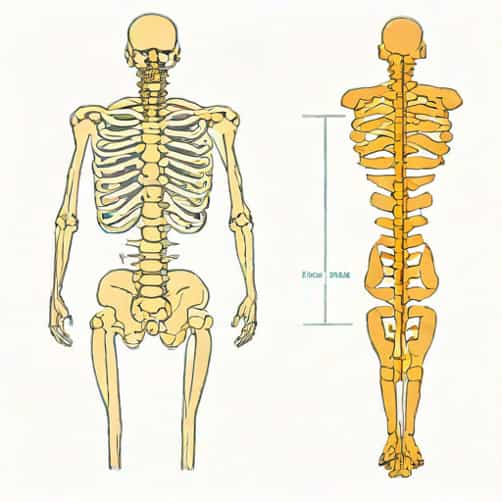
When it comes to pain management during surgeries or childbirth, spinal and epidural anesthesia are two commonly used techniques that often confuse patients due to their similarities. Both procedures involve injecting medication near the spinal cord to block pain signals, but they differ significantly in their application, onset, dosage, and duration. Understanding the difference between spinal and epidural anesthesia is essential for patients, caregivers, and healthcare professionals to make informed decisions regarding pain relief, safety, and recovery. This topic explores these differences in detail, highlighting how each method works, their benefits, risks, and the situations in which one might be preferred over the other.
What is Spinal Anesthesia?
Spinal anesthesia involves the injection of a local anesthetic directly into the cerebrospinal fluid (CSF) within the subarachnoid space of the spinal canal. This method is typically used for surgeries involving the lower abdomen, pelvis, and lower extremities. The injection is administered with a fine needle, usually in the lower back, while the patient is either sitting or lying on their side. Because the medication is delivered directly into the CSF, spinal anesthesia works quickly, providing rapid and profound pain relief. The effects are usually immediate, and the procedure often results in complete numbness of the lower half of the body.
Key Features of Spinal Anesthesia
- Single injection into the cerebrospinal fluid.
- Rapid onset of action, often within minutes.
- Provides profound numbness and motor block.
- Limited duration, typically lasting 1 to 4 hours depending on the drug used.
- Commonly used for cesarean sections, hip replacements, and urologic procedures.
What is Epidural Anesthesia?
Epidural anesthesia involves injecting medication into the epidural space, which is the area outside the dura mater surrounding the spinal cord. Unlike spinal anesthesia, the epidural space does not contain cerebrospinal fluid, so the medication diffuses through the dura to affect the nerve roots. Epidurals are frequently used for labor pain management, prolonged surgeries, or postoperative pain control. The procedure typically involves placing a catheter in the epidural space, allowing continuous or intermittent administration of anesthetic medication, which provides flexibility in controlling the intensity and duration of pain relief.
Key Features of Epidural Anesthesia
- Medication injected into the epidural space outside the dura mater.
- Slower onset of action, usually 10 to 20 minutes.
- Can provide partial numbness or selective pain relief.
- Catheter allows continuous or repeated doses.
- Commonly used for labor, thoracic surgeries, and prolonged abdominal procedures.
Main Differences Between Spinal and Epidural Anesthesia
Although both spinal and epidural anesthesia target the spinal nerves to block pain, several differences distinguish the two methods
1. Location of Injection
Spinal anesthesia delivers the anesthetic directly into the cerebrospinal fluid in the subarachnoid space, whereas epidural anesthesia administers the drug into the epidural space outside the dura mater. This fundamental difference affects the onset, intensity, and spread of anesthesia.
2. Onset and Duration
Spinal anesthesia acts rapidly, providing immediate and complete numbness, making it ideal for short procedures. Epidural anesthesia has a slower onset but allows prolonged and adjustable pain relief through continuous infusion or repeated doses, making it suitable for longer surgeries or labor.
3. Dosage and Volume
Spinal anesthesia requires a smaller volume of medication due to direct exposure to the cerebrospinal fluid, resulting in a concentrated effect. Epidural anesthesia typically uses larger volumes because the medication must diffuse through tissue to reach the nerves, providing a more controlled but less intense block.
4. Level of Numbness
Spinal anesthesia usually produces a complete motor and sensory block below the injection site, often resulting in temporary inability to move the legs. Epidural anesthesia can be tailored to provide partial numbness or selective pain relief, allowing the patient to retain some motor function, which is particularly beneficial during labor.
5. Risk and Side Effects
Both procedures carry risks, including hypotension, headache, infection, and nerve injury, but the incidence may vary. Spinal anesthesia’s rapid and profound effect can sometimes lead to sudden drops in blood pressure. Epidural anesthesia, being more gradual, allows better hemodynamic control but may have a higher risk of catheter-related complications or incomplete block if the medication does not spread evenly.
Applications and Considerations
The choice between spinal and epidural anesthesia depends on the procedure, patient condition, and desired control over pain management. Spinal anesthesia is preferred for shorter surgeries requiring complete numbness, while epidural anesthesia is favored for labor, prolonged operations, or situations needing adjustable analgesia. Healthcare providers also consider patient factors such as anatomy, medical history, and potential contraindications like infections, bleeding disorders, or allergies to anesthetic agents.
Benefits of Spinal Anesthesia
- Rapid onset and reliable block for lower body surgeries.
- Minimal equipment required-usually a single injection.
- Provides profound pain relief with low doses of medication.
Benefits of Epidural Anesthesia
- Flexible duration and adjustable pain relief.
- Can be used for both surgery and labor management.
- Allows partial motor function, enabling mobility during labor.
- Continuous infusion through catheter provides extended analgesia.
Understanding the difference between spinal and epidural anesthesia is essential for patients and healthcare providers alike. While both methods effectively block pain by targeting spinal nerves, they differ in injection site, onset, duration, intensity, and flexibility. Spinal anesthesia offers rapid, profound, and short-term numbness, ideal for surgeries that require complete immobility. Epidural anesthesia provides adjustable, longer-lasting pain relief, making it suitable for labor and prolonged surgical procedures. By considering the advantages, risks, and specific requirements of each method, medical professionals can tailor anesthesia plans to ensure safety, comfort, and optimal outcomes for patients. Choosing the right technique ultimately depends on the procedure, patient preferences, and clinical judgment, allowing for effective and personalized pain management.
- Spinal anesthesia injects medication directly into the cerebrospinal fluid, providing rapid and complete numbness.
- Epidural anesthesia delivers medication into the epidural space, allowing adjustable and longer-lasting pain relief.
- Spinal anesthesia is ideal for short surgeries; epidurals are suited for labor or prolonged procedures.
- Spinal anesthesia uses smaller doses with immediate effect; epidurals require larger volumes with slower onset.
- Both techniques carry risks, but their selection depends on procedure type, patient needs, and clinical considerations.