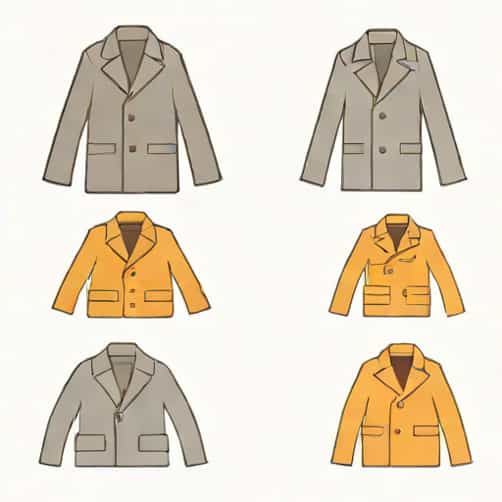
When it comes to men’s and women’s outerwear, many people use the terms _topcoat_ and _overcoat_ interchangeably. However, while both garments are designed to be worn over clothing to provide warmth and protection, they are not the same thing. Understanding the difference between a topcoat and an overcoat can help you choose the right style for your wardrobe and for specific weather conditions. These two types of coats differ in weight, length, and intended season of use, yet both remain timeless symbols of sophistication and practicality.
Understanding What an Overcoat Is
An overcoat is a long, heavy coat traditionally worn in cold weather over a suit or layers of clothing. It is typically made of thick materials like wool, cashmere, or a wool blend. The overcoat’s main purpose is to keep the wearer warm during the winter months. Because it is meant to protect against harsh cold, it often extends below the knee to trap body heat more effectively.
Overcoats have been a staple of men’s formalwear for centuries. They are often associated with classic styles such as the Chesterfield coat, the Polo coat, or the greatcoat. These coats feature structured shoulders, clean lines, and elegant lapels, making them suitable for professional and formal settings.
Key Characteristics of an Overcoat
- MaterialUsually made from heavy wool, tweed, or cashmere for warmth and durability.
- LengthTypically falls below the knee, sometimes reaching mid-calf for maximum coverage.
- WeightDesigned to be thick and insulating for winter temperatures.
- UsePrimarily worn in cold climates or during winter months.
- StyleOften formal, complementing business attire or evening wear.
Because of its heavy construction, the overcoat is best suited for temperatures near freezing or below. It provides both warmth and a sophisticated appearance, making it a go-to option for cold city winters or formal outdoor events.
What Is a Topcoat?
A topcoat, on the other hand, is a lighter version of the overcoat. It is designed for mild to moderately cool weather rather than freezing conditions. While it serves the same purpose-being worn over clothing for warmth and protection-it is thinner and shorter, usually ending above the knee. This makes it a more versatile option for fall or early spring.
Topcoats can be found in materials like lightweight wool, gabardine, or blended fabrics that offer both structure and comfort. They are perfect for transitional seasons when a heavy overcoat would be too warm but a jacket is not enough.
Key Characteristics of a Topcoat
- MaterialMade from lighter wool or blended fabrics suitable for moderate temperatures.
- LengthGenerally ends above the knee for greater mobility.
- WeightLighter than an overcoat, ideal for layering during spring or fall.
- UseDesigned for transitional weather, not for extreme cold.
- StyleCan be both formal and casual, depending on cut and fabric.
Topcoats are excellent choices for professionals who want a sleek look without the bulk of a full overcoat. They maintain the same refined appearance but with a lighter, more comfortable feel.
Main Differences Between a Topcoat and an Overcoat
While both garments share similarities in function and design, there are several distinctions that set them apart. These differences are based on their intended use, construction, and overall appearance.
1. Fabric Weight
The most noticeable difference is the weight of the fabric. Overcoats are crafted from heavy materials like thick wool, which provides substantial insulation. Topcoats use lighter fabrics such as fine wool or blends, making them easier to wear in milder conditions. The weight of the material determines when and where the coat can be comfortably worn.
2. Length and Coverage
Length is another major difference. Overcoats typically extend below the knee or even to mid-calf, offering more coverage and warmth. Topcoats, being lighter and shorter, usually stop just above the knee, providing a more casual and mobile fit. The shorter design of a topcoat makes it practical for commuting and everyday wear.
3. Seasonality
Overcoats are winter garments, meant for cold weather where temperatures are low and additional insulation is necessary. Topcoats, by contrast, are better for autumn and early spring, when the weather is cool but not freezing. Many people own both types to accommodate the seasonal shifts throughout the year.
4. Formality and Style
Traditionally, overcoats lean toward formal wear. They are often paired with business suits or evening attire. Topcoats, though also elegant, can be styled more flexibly. A topcoat can look equally stylish over jeans and a sweater as it does over a suit. Its shorter length and lighter structure make it more adaptable for different settings.
5. Comfort and Movement
Due to their heavier construction, overcoats can feel bulkier and less flexible, though they provide exceptional warmth. Topcoats offer more comfort and freedom of movement, which is why they are preferred for daily wear in moderate climates. For travelers or commuters, a topcoat provides practicality without sacrificing style.
When to Wear Each Type of Coat
Choosing between a topcoat and an overcoat depends largely on the climate and the occasion. Each has its strengths, and understanding when to wear them ensures both comfort and appropriate style.
- OvercoatIdeal for winter months, formal events, or when temperatures drop below 10°C (50°F). Perfect over a suit or layered outfit.
- TopcoatBest suited for transitional seasons like fall or spring. It’s lighter, breathable, and versatile enough for both business and casual looks.
If you live in a region with harsh winters, an overcoat is essential. However, for mild climates, a topcoat might be all you need year-round. Many fashion enthusiasts even consider owning both-one for style and one for function.
How to Style Topcoats and Overcoats
Both topcoats and overcoats are timeless and can elevate any outfit. Styling them correctly helps maximize their visual impact and comfort. Here are a few ideas for each
Styling a Topcoat
- Pair with a turtleneck and tailored trousers for a smart-casual look.
- Wear over a suit for business occasions or office wear.
- Combine with jeans and boots for a modern urban outfit.
- Opt for neutral colors like camel, navy, or grey for versatility.
Styling an Overcoat
- Match with formal wear, such as a three-piece suit or dress pants.
- Add a scarf and gloves for a polished winter ensemble.
- Choose classic tones like charcoal, black, or dark brown for sophistication.
- For a bold statement, consider a double-breasted overcoat with peak lapels.
Care and Maintenance Tips
Since both garments are investments, proper care ensures they last for many seasons. Regular brushing helps remove dust, and airing them out prevents odors. Always hang your coats on wide, sturdy hangers to maintain their shape. During off-seasons, store them in breathable garment bags to protect from moths and moisture. Dry cleaning once or twice a season is usually sufficient for wool coats.
The difference between a topcoat and an overcoat lies in more than just appearance-it’s about functionality, material, and the climate they are designed for. The overcoat stands as the heavier, warmer option for harsh winters, while the topcoat offers lighter protection and greater versatility for transitional seasons. Both pieces, however, embody timeless elegance and can elevate any outfit when worn correctly. Whether you choose one or both, these classic coats are essential additions to any well-rounded wardrobe, ensuring style and comfort no matter the weather.