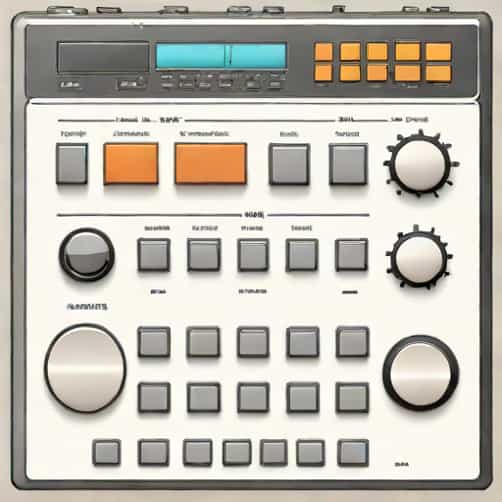
The drum machine is one of the most influential inventions in modern music, shaping how songs are produced, recorded, and performed. Its rhythmic precision and creative flexibility have inspired musicians from many genres, including hip-hop, electronic, pop, and rock. The drum machine has evolved from a simple rhythm box into a powerful digital instrument capable of creating entire beats and musical textures. Understanding its history, function, and impact gives us insight into why the drum machine remains essential in today’s music production landscape.
History and Evolution of the Drum Machine
The story of the drum machine begins in the early 20th century, when inventors started experimenting with automatic rhythm generators. Early models, such as the Rhythmicon invented by Leon Theremin and Henry Cowell in the 1930s, were groundbreaking but too complex and expensive for mass use. The first commercial drum machines appeared in the 1950s and 1960s, designed to accompany organ players. These early rhythm boxes, like the Wurlitzer Sideman, could produce preset beats like waltzes, tangos, and foxtrots.
In the 1970s, drum machines became more advanced and affordable. The Roland CR-78 was one of the first programmable models, allowing musicians to create their own rhythms. But it was the introduction of the Roland TR-808 in 1980 that revolutionized music. Its deep bass drum, crisp snare, and distinctive hi-hats became the foundation of hip-hop and electronic dance music. Later models, such as the TR-909 and LinnDrum, further expanded creative possibilities with new sounds and MIDI compatibility.
How Drum Machines Work
A drum machine is an electronic instrument that produces percussive sounds using synthesized or sampled audio. Most drum machines have pads or buttons that trigger sounds like kicks, snares, cymbals, and toms. Users can program beats by sequencing these sounds over time. Tempo, swing, and dynamics can all be adjusted to create a realistic or stylized rhythm pattern.
Basic Components of a Drum Machine
- Sound GeneratorProduces drum sounds using synthesis or recorded samples.
- SequencerArranges the sounds into rhythmic patterns.
- Control InterfaceIncludes knobs, pads, or buttons for live playing and editing.
- Effects and FiltersAdd texture through reverb, delay, or equalization.
Modern drum machines often include features like pattern chaining, song modes, and synchronization with other devices, making them versatile tools for both studio and live performances.
The Role of Drum Machines in Music Production
Drum machines have changed how musicians approach rhythm and song structure. Before their invention, recording drums required a full set, microphones, and a skilled drummer. With a drum machine, producers could experiment with complex beats quickly and at a fraction of the cost. This accessibility democratized music production, allowing more people to create professional-sounding tracks at home.
In the 1980s and 1990s, genres like hip-hop, techno, and house emerged largely thanks to drum machines. The 808 kick drum became iconic in songs by artists like Afrika Bambaataa and Marvin Gaye, while the 909’s punchy rhythm defined early house music. Even today, the distinct sounds of these classic machines are replicated in software and digital instruments.
Drum Machines vs. Acoustic Drums
While both produce rhythm, drum machines and acoustic drums serve different purposes in music. Acoustic drums rely on physical impact and human touch, creating organic variations in tone and timing. In contrast, drum machines provide precision, repetition, and electronic textures that are difficult to achieve with traditional instruments.
Key Differences
- SoundAcoustic drums produce natural tones; drum machines use electronic or sampled sounds.
- FlexibilityDrum machines can instantly change tempo, patterns, or sound kits.
- PortabilityDrum machines are lightweight and easy to integrate into digital setups.
- ExpressionLive drummers offer human feel and emotion, while drum machines provide consistency and experimentation.
Many artists blend both approaches, using a live drummer alongside programmed beats to achieve a rich, hybrid sound.
Popular Drum Machines Throughout History
Several drum machines have achieved legendary status for their distinctive sounds and influence on music. Some of the most notable include
- Roland TR-808Known for its booming bass and snappy snares, defining hip-hop and electronic genres.
- Roland TR-909Famous for its punchy sound used in house and techno music.
- LinnDrumA favorite of 1980s pop artists like Prince and Madonna.
- Akai MPC SeriesCombining sampling and sequencing, revolutionizing hip-hop production.
- Korg Volca BeatsA compact, affordable modern drum machine for beginners and professionals alike.
Each of these machines offered something unique, whether it was analog warmth, digital precision, or portability, and continues to inspire modern designs.
Drum Machines in the Digital Era
Today’s drum machines are often found in software form, integrated into digital audio workstations (DAWs) like Ableton Live, FL Studio, and Logic Pro. These virtual drum machines provide thousands of customizable sounds and complex sequencing options. However, many producers still prefer hardware drum machines for their tactile feel and performance capabilities.
The rise of hybrid systems, combining software flexibility with hardware interfaces, has brought new life to beat-making. Devices like Elektron’s Digitakt or Roland’s TR-8S merge modern technology with the classic character of vintage drum machines, giving producers the best of both worlds.
Creative Uses of Drum Machines
Beyond traditional rhythm creation, drum machines can also be used creatively in various musical contexts. Artists experiment with unconventional time signatures, process drum sounds through effects, or even use percussive patterns as melodic elements. In live performances, performers often manipulate drum sequences in real-time, turning rhythm into a dynamic and expressive art form.
Drum machines are also valuable for songwriting and practice. Musicians can use them as metronomes, backing tracks, or compositional tools to explore new ideas. Their programmable nature allows users to save patterns and recall them instantly, making them perfect for both spontaneous jam sessions and structured recording sessions.
The Lasting Impact of Drum Machines
From early rhythm boxes to sophisticated digital instruments, drum machines have transformed the landscape of modern music. They have influenced the sound of entire generations and remain vital tools in studios worldwide. While some critics argue that they lack the soul of a live drummer, others celebrate their role in pushing creative boundaries.
As technology continues to evolve, drum machines will likely become even more powerful and intuitive. Their combination of rhythm, innovation, and accessibility ensures they will keep inspiring musicians for decades to come. Whether used to produce a simple beat or an intricate sonic masterpiece, the drum machine remains one of the most important inventions in the history of music.