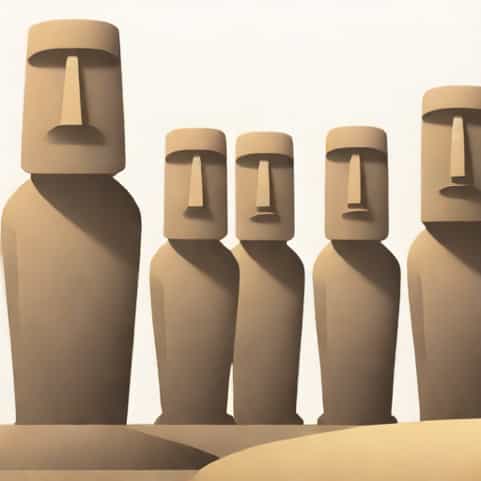
The Easter Island statues, also known as Moai, are some of the most iconic and mysterious monuments in the world. Located on Easter Island, or Rapa Nui, in the southeastern Pacific Ocean, these statues have fascinated archaeologists, historians, and travelers for centuries. Standing silently across the island’s volcanic landscape, the Moai are emblematic of the ingenuity, artistry, and cultural heritage of the Rapa Nui people. Understanding the Easter Island statues involves exploring their history, purpose, construction methods, and cultural significance. These stone figures not only reflect the technical skill of the ancient islanders but also provide insight into their social structures, religious beliefs, and environmental challenges. The Moai remain a testament to human creativity and endurance in one of the most isolated places on Earth.
Origins and History of the Easter Island Statues
The Moai statues were created by the Rapa Nui people between the 13th and 16th centuries. Easter Island itself is a remote volcanic island located over 2,000 miles west of Chile. The island was settled by Polynesian navigators who brought with them cultural practices, including carving and erecting large stone figures. Over time, the Rapa Nui developed unique techniques to carve, transport, and erect these monumental statues. There are nearly 900 known Moai on the island, ranging in height from a few feet to over 30 feet, with the heaviest estimated to weigh around 82 tons. These statues are primarily made from volcanic tuff, a soft rock that allowed for detailed carving, while some Moai incorporate basalt and other harder stones for structural elements.
Cultural Significance of the Moai
The Easter Island statues were more than artistic expressions; they held deep spiritual and social significance. The Moai were believed to represent the spirits of ancestors, chiefs, or other important figures within Rapa Nui society. They were positioned to face inland, watching over villages and providing protection and guidance. This orientation underscores the Moai’s role as guardians and intermediaries between the living community and the spiritual world. The Rapa Nui people believed that the statues contained mana, a sacred spiritual force, which could provide prosperity and ensure the community’s well-being. As such, the creation and placement of Moai were deeply ceremonial acts, reflecting the islanders’ beliefs and hierarchical social structures.
Construction Techniques
The construction of the Moai demonstrates remarkable skill and ingenuity. Carving was primarily done using stone tools called toki, which were made from harder volcanic rock. The statues were initially sculpted at the quarries, particularly at Rano Raraku, a volcanic crater that served as the main production site. Artisans would carve the Moai in a horizontal position, leaving the back of the statue attached to the bedrock until the carving was complete. Once finished, the statues were transported to their final locations, often several kilometers away.
Transporting the Moai
One of the greatest mysteries of the Easter Island statues is how the massive figures were moved. Despite weighing several tons, the Rapa Nui people were able to transport them across uneven terrain. Scholars suggest several methods, including
- Using wooden sledges or rollers made from logs to slide the statues across the ground.
- Walking the statues upright using a rocking motion, with ropes and coordinated teamwork.
- Dragging the statues horizontally before erecting them on stone platforms called ahu.
Experimental archaeology has demonstrated that small teams could move Moai using these methods, reflecting the organization, coordination, and physical labor invested by the Rapa Nui community. The movement and erection of the statues required precise planning and deep communal cooperation.
The Ahu Platforms
Each Moai statue was placed on a ceremonial stone platform called an ahu. These platforms were typically rectangular and built with carefully fitted stones. The ahu served as sacred sites for rituals and community gatherings. Some ahu were aligned with astronomical events, such as solstices, indicating the integration of celestial observation into Rapa Nui culture. The Moai on the ahu were often positioned to face inland, symbolically watching over the islanders. The combination of Moai and ahu illustrates the Rapa Nui’s architectural skill and spiritual devotion, integrating art, engineering, and religion into a unified cultural expression.
Decline and Toppling of the Moai
By the 17th and 18th centuries, many Moai were toppled or left incomplete, coinciding with social and environmental upheaval on Easter Island. Deforestation, overpopulation, and resource depletion contributed to societal stress, conflicts, and the breakdown of traditional structures. Some scholars argue that competition among clans for power led to the deliberate toppling of rival statues. European contact in the 18th century introduced diseases and slavery, further destabilizing Rapa Nui society. Despite this decline, the Moai remain as enduring symbols of the island’s cultural heritage and resilience.
Modern Research and Preservation
Today, the Easter Island statues are the focus of extensive archaeological research and preservation efforts. Scholars study the Moai to understand the technological, social, and environmental aspects of Rapa Nui culture. Techniques such as 3D scanning, drone mapping, and chemical analysis help researchers document and analyze the statues without causing damage. Conservation projects aim to stabilize and restore toppled or eroded Moai, protecting them from weathering, erosion, and human impact. UNESCO has recognized Easter Island as a World Heritage Site, emphasizing the global significance of preserving this unique cultural and historical treasure.
Tourism and Cultural Impact
The Moai attract thousands of visitors to Easter Island each year, making tourism a vital part of the local economy. While tourism provides economic benefits, it also presents challenges for conservation. Sustainable tourism practices are crucial to protect the fragile statues and the island’s ecosystem. Cultural events, storytelling, and guided tours help visitors understand the spiritual and historical significance of the Moai, ensuring that the island’s heritage is respected and appreciated by future generations.
The Easter Island statues are remarkable monuments that offer a window into the history, culture, and ingenuity of the Rapa Nui people. Carved from volcanic rock, transported across the island, and placed on ceremonial ahu platforms, the Moai reflect a unique combination of artistry, engineering, and spirituality. They symbolize the ancestral power, protection, and social organization of one of the world’s most isolated communities. Despite historical challenges, including deforestation, societal upheaval, and European contact, the Moai remain standing as enduring symbols of cultural heritage. Modern research, conservation, and sustainable tourism efforts continue to reveal their mysteries, ensuring that the Easter Island statues remain a source of fascination, learning, and inspiration for generations to come.