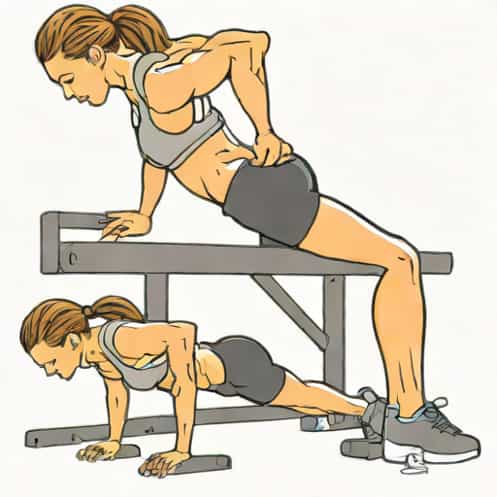
Glute bridges with weight are a highly effective exercise for strengthening and sculpting the gluteal muscles, while also engaging the core, hamstrings, and lower back. This variation of the traditional glute bridge incorporates external resistance, such as a barbell, dumbbell, or weighted plate, to increase intensity and promote muscle growth. Incorporating weighted glute bridges into a workout routine can improve athletic performance, enhance posture, and provide functional strength for daily activities. Understanding proper form, benefits, variations, and common mistakes is crucial to maximize results and prevent injury.
Benefits of Glute Bridges with Weight
Weighted glute bridges offer multiple benefits for individuals seeking to enhance lower body strength and overall fitness. Some of the key advantages include
- Glute Activation and GrowthThe addition of weight increases resistance, promoting hypertrophy and strengthening the gluteal muscles more effectively than bodyweight alone.
- Improved Core StabilityHolding the weighted position requires engagement of the core, enhancing stability and balance throughout the exercise.
- Enhanced Athletic PerformanceStrong glutes contribute to better running speed, jumping ability, and overall lower body power.
- Reduced Risk of Lower Back PainStrengthening the glutes helps support the pelvis and lower back, reducing strain and discomfort in daily activities.
- Functional StrengthWeighted glute bridges mimic hip extension movements used in lifting, climbing, and other functional tasks.
Proper Form and Technique
Executing glute bridges with weight correctly is essential to prevent injury and target the intended muscle groups. Follow these steps for proper form
Step-by-Step Instructions
- Lie on your back with your knees bent and feet flat on the floor, hip-width apart.
- Place a weighted barbell, dumbbell, or plate across your hips, ensuring it is stable and balanced.
- Engage your core and squeeze your glutes, pressing through your heels to lift your hips toward the ceiling.
- Raise your hips until your body forms a straight line from shoulders to knees, avoiding hyperextension of the lower back.
- Hold the top position for one to three seconds, maintaining tension in the glutes.
- Slowly lower your hips back to the starting position with control.
- Repeat for the desired number of repetitions, focusing on controlled movement and consistent glute engagement.
Common Mistakes to Avoid
To ensure safety and effectiveness, avoid the following common mistakes
- Overarching the Lower BackFocus on lifting through the glutes rather than pushing with the lower back.
- Incorrect Weight PlacementPosition the weight directly on the hips and use a pad if needed to prevent discomfort or bruising.
- Rapid RepetitionsPerform slow, controlled movements to maximize muscle activation and reduce risk of injury.
- Insufficient Core EngagementKeep the core tight to stabilize the spine and maintain proper form throughout the movement.
- Feet Too Far or Too CloseEnsure proper foot placement to target the glutes effectively and prevent knee strain.
Variations of Weighted Glute Bridges
There are several variations of weighted glute bridges that can target muscles differently or add additional challenge to the exercise
- Barbell Hip ThrustsPerform the exercise with the upper back resting on a bench, allowing for a greater range of motion and increased glute activation.
- Single-Leg Weighted Glute BridgePerform the bridge with one leg extended to increase unilateral strength and improve muscle imbalances.
- Dumbbell Hip BridgeUse a single dumbbell across the hips for a versatile and accessible weighted option.
- Resistance Band AdditionPlace a band around the thighs to add lateral resistance, targeting the gluteus medius and improving hip stability.
Recommended Sets, Reps, and Progression
The optimal sets, repetitions, and progression for weighted glute bridges depend on individual fitness goals
- Strength and Muscle Growth3 5 sets of 8 12 reps with challenging weight.
- Endurance and Tone2 3 sets of 15 20 reps with moderate weight.
- ProgressionGradually increase the weight or range of motion over time while maintaining proper form to continue challenging the glutes.
Incorporating Weighted Glute Bridges into a Workout Routine
Weighted glute bridges can be included in various types of workout programs. They are versatile enough for lower body strength days, full-body routines, or as part of a warm-up to activate the glutes before squats and deadlifts. Pairing the exercise with lunges, squats, or deadlifts can create a balanced lower body workout that targets the glutes, hamstrings, and quads. Additionally, incorporating mobility and stretching exercises alongside glute bridges ensures optimal hip function and reduces the risk of injury.
Benefits for Rehabilitation and Injury Prevention
Weighted glute bridges are also beneficial for rehabilitation and injury prevention. Strengthening the glutes helps correct postural imbalances, alleviates lower back strain, and stabilizes the pelvis during movement. Physical therapists often recommend glute bridges as a foundational exercise for improving hip strength and stability, particularly for individuals recovering from lower back pain, hamstring injuries, or knee issues.
Glute bridges with weight are a powerful exercise for anyone seeking to strengthen their glutes, enhance core stability, and improve lower body performance. By adding external resistance, the exercise becomes more challenging and effective, promoting muscle growth and functional strength. Proper technique, controlled movement, and progressive overload are key to maximizing results while minimizing the risk of injury. Whether included in a strength training program, rehabilitation routine, or athletic conditioning plan, weighted glute bridges provide significant benefits that extend beyond aesthetics, contributing to overall strength, stability, and functional fitness.