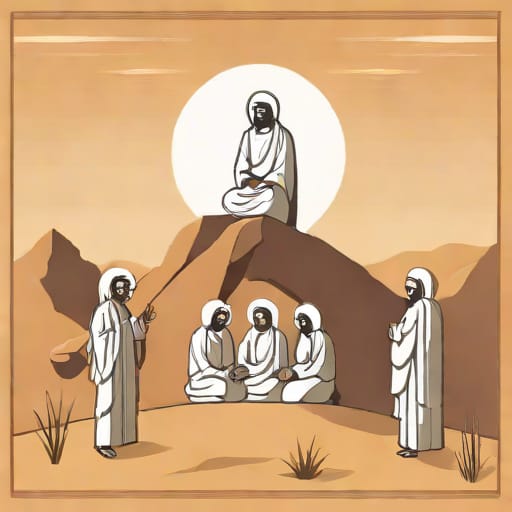
The Mount of Transfiguration is one of the most profound events recorded in the New Testament, especially in the King James Version (KJV) of the Bible. This event reveals the glory of Jesus Christ to His closest disciples and serves as a powerful reminder of His divine nature. Found in the Gospels of Matthew, Mark, and Luke, the transfiguration highlights not only the majesty of Christ but also the connection between the Old and New Testaments. For centuries, believers have studied this passage, reflecting on its spiritual significance, the presence of Moses and Elijah, and the voice of God affirming Jesus as His beloved Son. Understanding the Mount of Transfiguration in the KJV helps bring clarity to its message and importance in Christian faith.
Biblical Account of the Mount of Transfiguration
The story of the transfiguration is recorded in three synoptic Gospels Matthew 171-9, Mark 92-10, and Luke 928-36. Each account, preserved in the King James Version, provides consistent yet slightly varied details that enrich the narrative. Jesus takes Peter, James, and John up to a high mountain, where He is transfigured before them. His face shines like the sun, and His clothing becomes dazzling white. Suddenly, Moses and Elijah appear and converse with Him, symbolizing the law and the prophets. A bright cloud overshadows them, and a voice from the cloud declares, This is my beloved Son, in whom I am well pleased; hear ye him.
Key Verses in the KJV
- Matthew 172And was transfigured before them and his face did shine as the sun, and his raiment was white as the light.
- Mark 97And there was a cloud that overshadowed them and a voice came out of the cloud, saying, This is my beloved Son hear him.
- Luke 929And as he prayed, the fashion of his countenance was altered, and his raiment was white and glistering.
The Symbolism of the Transfiguration
The Mount of Transfiguration KJV account is filled with spiritual symbolism. Every detail points to the divine identity of Christ and His role in fulfilling God’s plan of salvation. The shining face and bright garments symbolize the glory of Christ revealed to human eyes, something normally hidden by His earthly form. Moses represents the Law, and Elijah represents the Prophets, both testifying to Jesus as the fulfillment of the Old Testament. The voice from the cloud is a direct confirmation from God the Father that Jesus is His chosen one, echoing the declaration at His baptism.
The Cloud and God’s Presence
In biblical tradition, the cloud often symbolizes the presence of God. In the Old Testament, the Israelites were led by a pillar of cloud, and the glory of the Lord filled the tabernacle in the form of a cloud. On the Mount of Transfiguration, the cloud serves as a divine covering, signaling God’s presence and His approval of Jesus as the Son.
The Disciples’ Experience
For Peter, James, and John, witnessing the transfiguration was a transformative moment. They saw Jesus not just as their teacher but as the divine Son of God. This experience would later strengthen their faith, particularly during trials and persecutions. Peter even references this event in 2 Peter 116-18, recalling the majesty of Christ revealed on the holy mount.
Fear and Reverence
The disciples’ reaction was one of fear and awe. In Matthew’s account, they fell on their faces when they heard the voice of God. Jesus comforted them, telling them not to be afraid. This illustrates the overwhelming holiness of the moment but also the compassion of Christ who reassures His followers.
Theological Importance of the Transfiguration
The Mount of Transfiguration is not just a historical event but a theological cornerstone in Christian belief. It confirms the divinity of Christ, connects the Old and New Testaments, and foreshadows His resurrection and second coming. In the KJV, the language emphasizes majesty and reverence, capturing the sacredness of the event.
Confirmation of Christ’s Divinity
By displaying His glory, Jesus affirms His divine nature to His closest disciples. This moment removes any doubt about His identity as the Son of God, bridging the human and divine aspects of His being.
Fulfillment of the Law and the Prophets
The presence of Moses and Elijah highlights Jesus as the one who fulfills the Old Testament. The Law and the Prophets find their completion in Him, pointing toward His sacrifice and ultimate victory over sin and death.
A Glimpse of Resurrection Glory
The dazzling transformation of Christ foreshadows His resurrection glory. The disciples were given a preview of the majesty that would come after His suffering and death, offering hope to all believers of the glory awaiting them in eternity.
Lessons from the Mount of Transfiguration
The KJV account of the transfiguration provides believers with important lessons that are still relevant today. It calls Christians to listen to Jesus, recognize His authority, and embrace the hope of eternal glory. The voice of God saying, Hear ye him, is a timeless command for all followers of Christ.
- Obedience to ChristThe declaration hear ye him reminds believers that Jesus’ teachings and authority must guide their lives.
- Faith during trialsJust as the disciples’ faith was strengthened, Christians are encouraged to hold onto the vision of Christ’s glory during times of struggle.
- Hope of transformationThe transfiguration points to the ultimate transformation believers will experience when they are glorified with Christ.
Mount of Transfiguration in Christian Tradition
Throughout history, the transfiguration has inspired Christian worship, art, and theology. Churches commemorate the Feast of the Transfiguration, and countless paintings depict Christ shining with heavenly light on the mount. For believers reading the KJV, the words of this passage continue to stir reverence and reflection on Christ’s majesty.
Liturgical Commemoration
The event is celebrated in many Christian traditions on August 6 as the Feast of the Transfiguration. This day serves as a reminder of Christ’s divine nature and the hope of eternal glory for His followers.
Spiritual Application
Beyond theology, the passage encourages personal transformation. Believers are called to be spiritually renewed, allowing Christ’s light to shine through them in daily life.
The Mount of Transfiguration KJV passage is a profound moment in Scripture that reveals the glory of Jesus Christ and confirms His divine mission. Through the shining face of Christ, the appearance of Moses and Elijah, and the voice of God declaring Him as the beloved Son, this event captures the essence of Christian faith. For the disciples, it was a life-changing encounter, and for believers today, it remains a source of inspiration, calling them to listen, obey, and place their hope in the eternal glory promised through Christ.