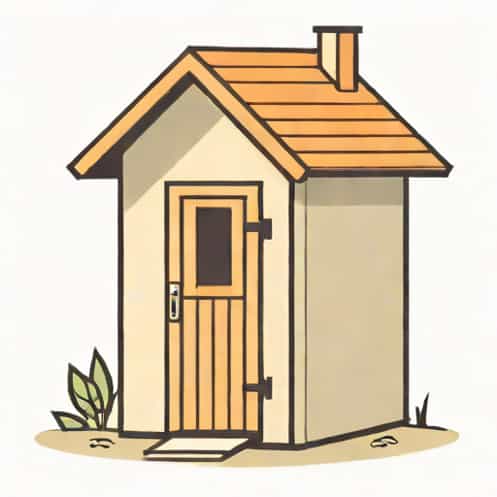
An outhouse is a simple and traditional type of outdoor toilet that has been used for centuries in rural areas, campsites, and places without access to modern plumbing systems. Despite its simplicity, the design and operation of an outhouse are based on principles that ensure sanitation, odor control, and ease of maintenance. Understanding how an outhouse works can provide insight into historical sanitation practices as well as the practical considerations for using and maintaining these structures. Although often overlooked in modern discussions about hygiene, outhouses remain relevant in off-grid living and sustainable waste management practices.
Basic Structure of an Outhouse
The typical outhouse consists of a small, enclosed wooden or metal structure built over a pit dug into the ground. The pit serves as a temporary storage for human waste until it decomposes naturally. The structure is designed to provide privacy, shelter from the elements, and basic protection from insects and animals. Most outhouses have a simple wooden seat or bench with a hole directly above the pit.
Components of an Outhouse
-
PitThe pit is the core component where waste is collected. Depths vary, but they are usually several feet deep to allow for decomposition and to reduce odor.
-
Seat or BenchPositioned above the pit, the seat ensures user comfort while providing access to the waste collection area.
-
StructureThe enclosure shields the user from weather and provides privacy. It typically has a door, ventilation holes, and sometimes a small window.
-
VentilationVentilation is crucial to reduce odor and improve air circulation. Many outhouses have a vertical vent pipe that helps release gases above the structure.
-
Cover MaterialUsers often add sawdust, ash, or lime after each use to control odor and aid in decomposition.
How Waste is Managed in an Outhouse
The key principle of an outhouse is that human waste is contained in a pit where natural processes break it down over time. Decomposition occurs through the activity of bacteria, insects, and environmental factors such as moisture and temperature. Solid waste gradually turns into compost-like material, while liquids may seep into the surrounding soil. To prevent excessive odor and slow decomposition, users may add cover material like sawdust, wood ash, or lime. These materials absorb moisture, limit odor, and encourage aerobic decomposition.
Decomposition Process
-
Microbial ActivityBacteria in the pit break down organic matter. Aerobic bacteria, which require oxygen, help reduce odor, while anaerobic bacteria break down waste in deeper, oxygen-poor layers.
-
Moisture ControlToo much liquid can slow decomposition and produce unpleasant smells. Proper cover material and pit drainage help manage moisture levels.
-
Insect InteractionCertain insects like flies may contribute to decomposition, but good ventilation and cover material reduce their presence.
Ventilation and Odor Control
Odor management is a critical aspect of outhouse design. Proper ventilation ensures that gases produced by decomposition, such as methane and ammonia, are directed away from users. A common feature is a vertical vent pipe that extends above the roof. The vent allows lighter gases to escape, while a screen at the top prevents insects from entering. Additionally, adding materials like sawdust or lime after use helps absorb moisture and trap odors.
Techniques to Reduce Smell
-
Using a vent pipe to direct gases above the outhouse.
-
Sprinkling ash, sawdust, or soil over waste after each use.
-
Regularly covering the pit with soil or compost to encourage decomposition.
-
Keeping the outhouse dry by preventing water from entering the pit.
Maintenance of an Outhouse
Maintaining an outhouse involves ensuring that the pit does not overflow, odors remain under control, and the structure stays safe and hygienic. Over time, pits fill with decomposed waste and may need to be emptied or a new pit dug. Simple maintenance tasks include cleaning the seat, checking for structural damage, adding cover material, and monitoring ventilation systems. In some regions, outhouse pits are rotated or relocated to prevent soil contamination and maintain sanitation standards.
Steps for Proper Maintenance
-
Check the depth of the pit periodically to ensure it is not full.
-
Inspect the structure for damage, rot, or insect infestation.
-
Add cover materials regularly to aid decomposition and control odor.
-
Ensure the vent pipe remains unobstructed.
-
When the pit is full, safely relocate the outhouse or create a new pit.
Environmental Considerations
Outhouses are environmentally friendly if properly managed. They use no water and rely on natural decomposition to process waste. However, improper placement near water sources or in high groundwater areas can lead to contamination. Choosing a safe location with good soil drainage, distance from wells or streams, and adequate sunlight can mitigate environmental risks. Some modern off-grid designs include composting toilets or sealed pit systems that further minimize contamination and odor.
Best Practices for Sustainable Outhouse Use
-
Build the outhouse away from water sources to prevent contamination.
-
Use dry cover materials to facilitate aerobic decomposition.
-
Rotate pit locations if possible to allow soil recovery.
-
Monitor waste levels and decompose fully before relocation.
An outhouse is a functional, low-cost sanitation solution that operates on simple principles of containment, decomposition, and ventilation. Its effectiveness relies on proper construction, regular maintenance, and attention to environmental factors. By understanding how an outhouse works, including waste management, odor control, and pit maintenance, individuals can use these structures safely and efficiently. Despite advances in modern plumbing, the outhouse remains a testament to human ingenuity in providing sanitation solutions in off-grid or rural environments.